
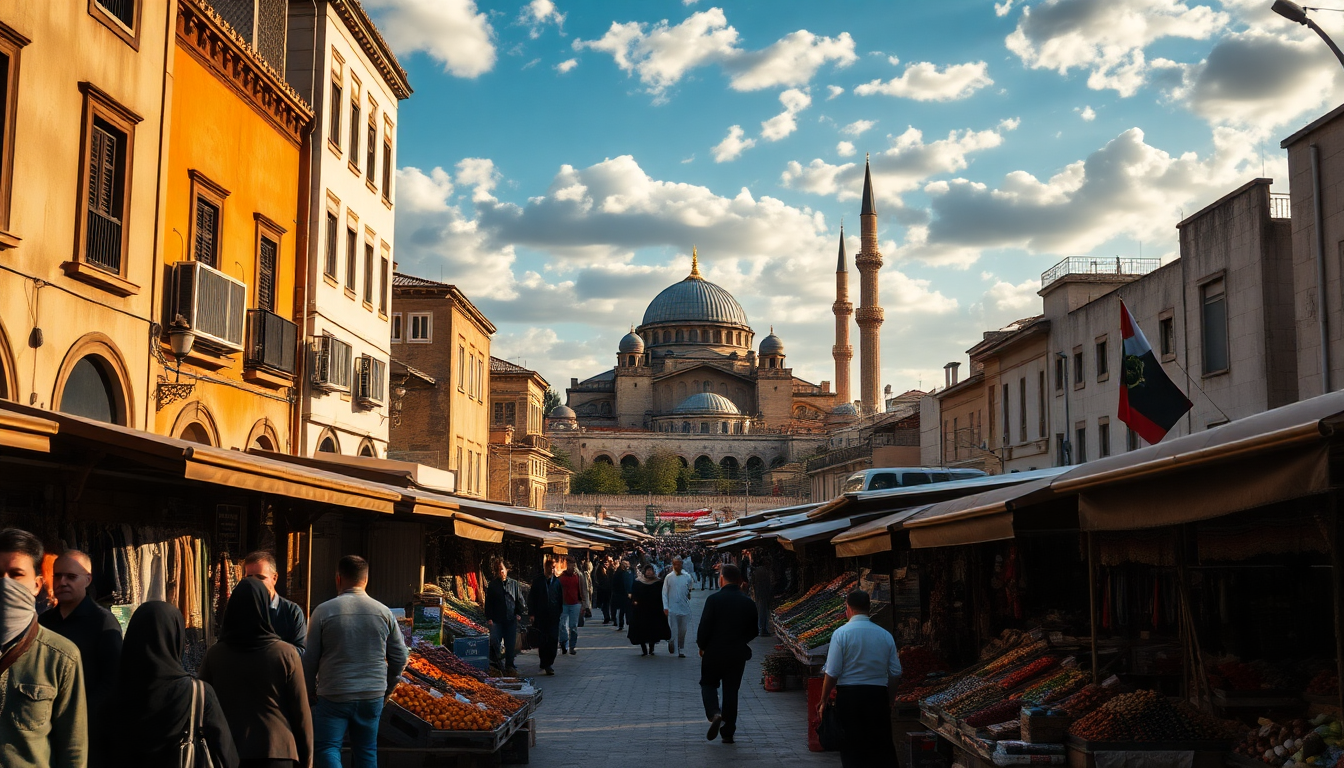
The Middle East has always been a region of contrasts, where geopolitical tensions and humanitarian crises often collide. Recent events have only amplified this complexity, sparking global conversations about what it means for peace and security. So, what’s really going on? In this article, we’ll delve into the current state of the conflict, its humanitarian toll, and how the world is responding to these urgent issues.
Recent Developments and Geopolitical Implications
In the past few weeks, nations around the globe have expressed their concerns about the rising violence in the Middle East, particularly focusing on Israel’s military actions in Gaza and the West Bank. Just imagine the chaos: reports indicate that at least 21 Palestinians tragically lost their lives during a stampede at an aid distribution site in Gaza. This incident underscores the severe humanitarian crisis many residents are facing as they struggle for access to basic necessities amid ongoing conflict.
International organizations like the United Nations are sounding the alarm over the worsening conditions in Gaza. Did you know that malnutrition rates among children have reached shocking levels? One in ten children is reported to be malnourished, highlighting the urgent need for humanitarian aid. The world can’t afford to turn a blind eye—inaction could have dire geopolitical consequences that ripple far beyond the region.
Humanitarian Crises and Responses
As violence rages on, the humanitarian crises continue to deepen. The UN has revealed staggering statistics about the impact of the conflict on civilians. With casualties rising and the delivery of essential aid becoming increasingly challenging, life in these affected areas is deteriorating rapidly. Now more than ever, a coordinated international response is crucial to help alleviate the suffering of those caught in the crossfire.
We can’t ignore the role of neighboring countries either. Take Syria, for example; its government has accused Israel of deepening divisions within the region. These accusations highlight the intricate web of regional politics that often complicates peace efforts. Understanding these dynamics is essential for anyone looking to contribute to effective diplomatic solutions.
The Path Forward: Diplomatic Efforts and International Cooperation
So, what does the future hold? The path to resolution demands a multifaceted approach—one that combines humanitarian aid, diplomatic negotiations, and a commitment to tackling the root causes of the conflict. The international community needs to work together to foster dialogue among the parties involved, striving for a sustainable peace agreement. This effort will not only benefit those currently affected but also pave the way for long-term stability in the region.
In conclusion, the conflict in the Middle East is a complex issue, steeped in historical context and contemporary challenges. As the situation evolves, it’s crucial for global players to engage constructively, focusing on humanitarian needs while exploring diplomatic avenues for peace. The future of the region depends on our collective ability to navigate these turbulent waters with empathy and strategic insight. How do we ensure that we’re part of the solution, rather than just spectators? That’s the challenge we all face.


