
Table of Contents
The ongoing conflict in Ukraine has taken a troubling turn in recent weeks, with a sharp increase in missile strikes targeting key urban centers. As we enter the fourth year of this war, the frequency and intensity of these attacks paint a grim picture for both military strategists and everyday civilians caught in the line of fire. Take the recent bombardment of Dnipro, for instance—a crucial industrial hub that underscores just how devastating this conflict has been for cities that are vital to Ukraine’s economy and infrastructure.
The Attack on Dnipro: A Day of Mourning
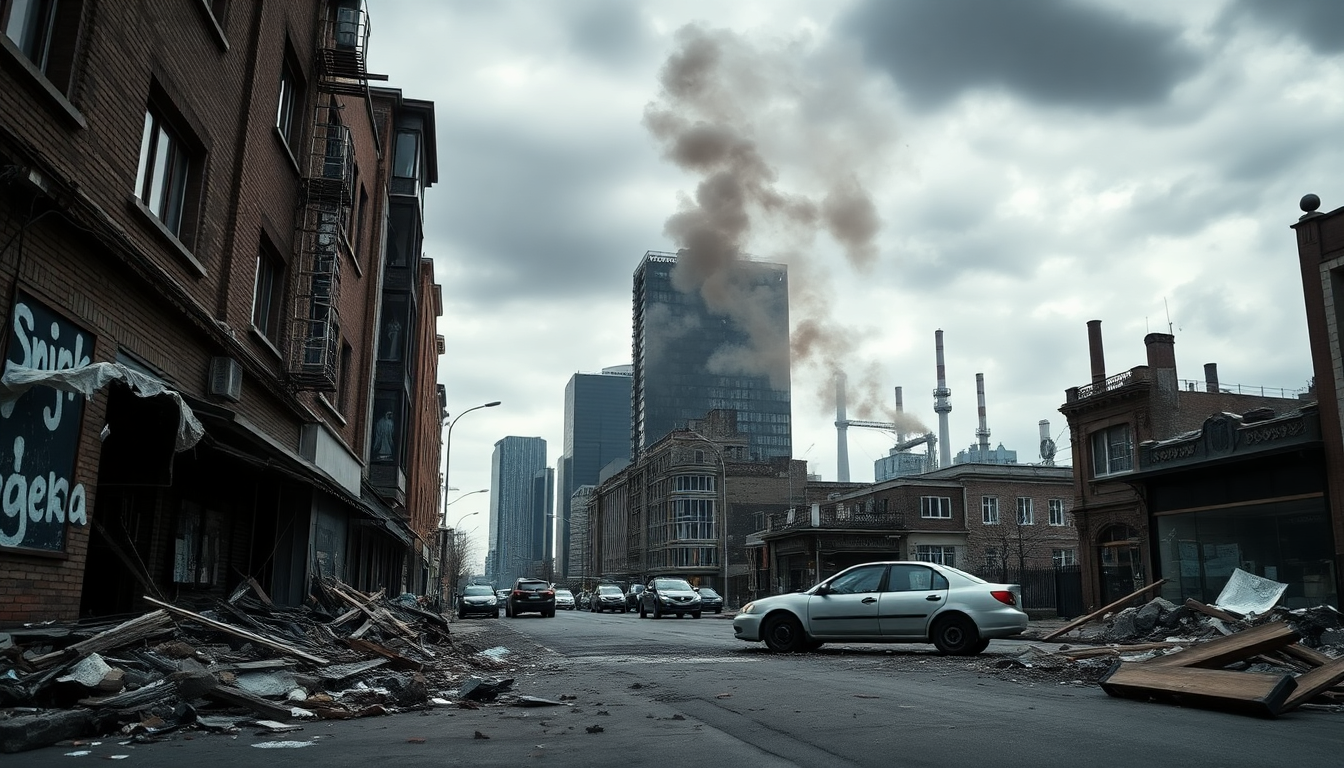
On a tragic Tuesday, Russian forces unleashed a wave of ballistic missiles on Dnipro, leading to widespread destruction that claimed the lives of 17 people and left over 270 injured. Mayor Borys Filatov described the destruction as unprecedented, marking a dark chapter in the city’s history amid ongoing hostilities. This heartbreaking event serves as a stark reminder of the human cost of war, with entire neighborhoods and essential community infrastructure now lying in ruins.
In the aftermath of the attack, shocking data revealed that over 40 educational institutions, including schools and kindergartens, were damaged. Cultural landmarks, such as a cathedral and a music hall, were also affected, along with multiple medical facilities and residential buildings. The fallout from such assaults stretches far beyond immediate physical devastation, deeply impacting the psychological well-being of the community and the fabric of society itself.
Adding to the horror, a strike on a passenger train traveling from Odesa to Dnipro highlights the indiscriminate nature of these military actions. It raises urgent questions about civilian safety as hostilities escalate. In response, the city’s administration declared a day of mourning, reflecting the collective grief and resilience of its residents. How do communities rebuild after such devastating loss?
The Broader Context: Increased Attacks and International Ramifications
These missile strikes are part of a larger offensive strategy that Russia has adopted since May, notably increasing the production and deployment of drones. President Volodymyr Zelenskyy revealed that in June alone, Russia launched a staggering 2,736 Shahed kamikaze drones at various Ukrainian targets. This dramatic surge in aerial assaults indicates a significant shift in military tactics, showcasing the Kremlin’s commitment to ramping up its military capabilities.
Meanwhile, the geopolitical landscape has become increasingly complex, particularly with rising tensions between Israel and Iran, which have diverted U.S. resources that were previously earmarked for Ukraine. This shift raises serious concerns about Ukraine’s ability to effectively counter ongoing air assaults. In his international engagements, Zelenskyy has been actively advocating for stricter sanctions against Russia, aiming to further isolate Moscow and limit its military options.
Zelenskyy has stressed the critical need for international collaboration to restrict Russia’s access to military components, emphasizing that the Kremlin’s capabilities heavily rely on foreign supplies. This advocacy is essential in bolstering Ukraine’s position on the global stage and rallying support from allied nations. But how can the international community step up its efforts to help?
Looking Ahead: The Future of the Conflict
As the conflict drags on, the potential for further escalations looms large. The recent attacks serve as a chilling reminder of the volatility in the region. While Ukraine continues to adapt to the shifting military landscape, the response from the international community will be crucial in shaping the future trajectory of this conflict.
With ongoing discussions about military aid and sanctions, it’s vital for Ukraine to maintain a strong defensive posture while also pursuing diplomatic avenues for resolution. The road ahead is fraught with challenges, yet the resilience demonstrated by the Ukrainian people shines as a beacon of hope during these tumultuous times.
In conclusion, the escalating nature of the conflict in Ukraine—marked by devastating attacks and intricate geopolitical dynamics—demands our sustained focus on both military readiness and international diplomacy. The coming months will be pivotal in determining the course of this war and the broader implications for regional stability. What can we learn from this situation, and how can we better prepare for future conflicts?