
Table of Contents
The recent surge in military actions in Ukraine underscores a troubling trend and growing pessimism regarding a swift resolution to the conflict. As tensions escalate, the implications for both Ukraine and its allies become increasingly complex. This analysis aims to unpack the latest developments while considering their broader geopolitical ramifications.
Recent Attacks and Their Impact
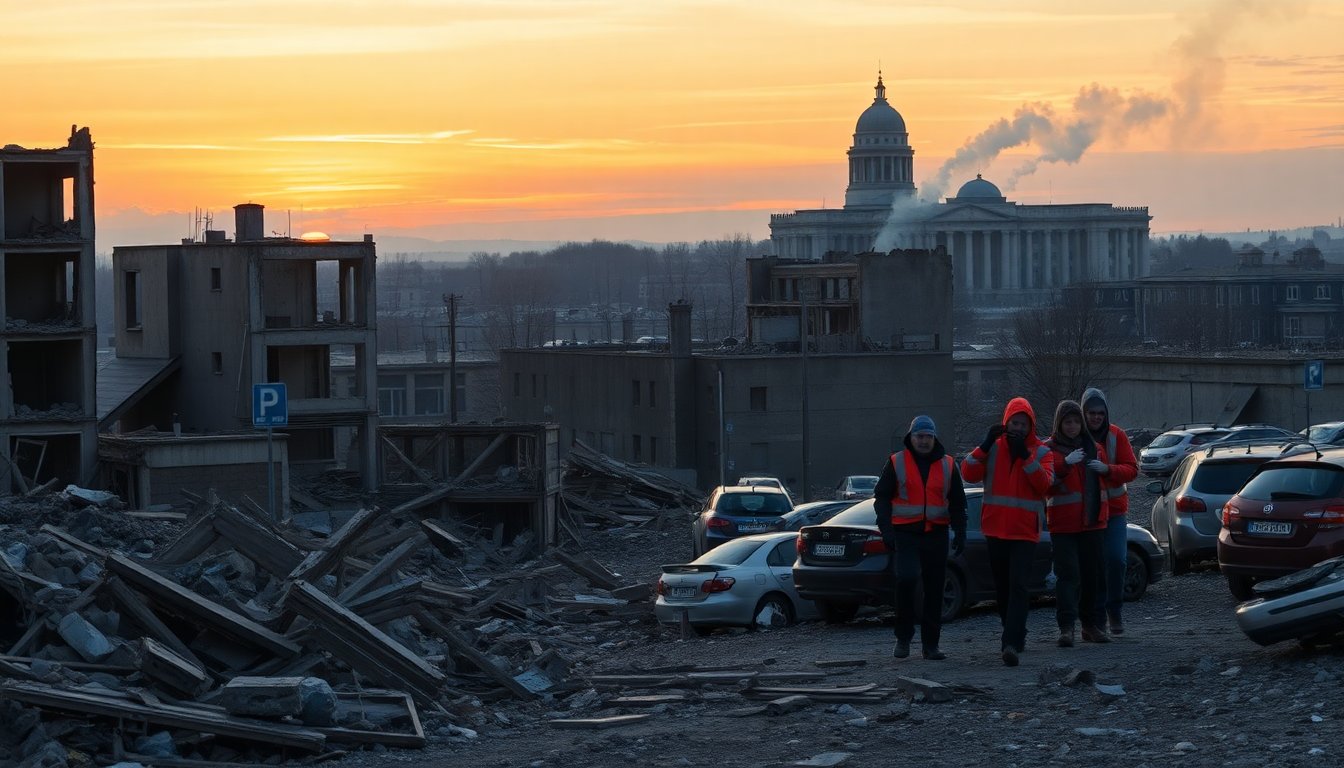
Russia’s latest assault marks the largest air attack on Ukraine since the war began. Ukrainian officials reported significant destruction, including fires at the main government building in Kyiv, tragically resulting in multiple fatalities, including an infant. President Volodymyr Zelensky condemned these actions as deliberate crimes that prolong the conflict, urging international allies to enhance Ukraine’s air defense capabilities.
Beyond the direct human toll, the attacks have caused extensive damage across several regions, including major cities like Zaporizhzhia, Kryvyi Rih, and Odesa. Eyewitness accounts describe scenes of devastation, with residential buildings impacted and residents forced to evacuate their homes. Such developments exacerbate the existing humanitarian crisis and underscore the urgent need for diplomatic solutions.
The Growing Pessimism Surrounding Conflict Resolution
The recent escalation has led to increased pessimism among both Ukrainian citizens and their international allies. Many now doubt the potential for a quick end to hostilities, particularly as Russian President Vladimir Putin appears steadfast in his resistance to calls for a ceasefire. The strengthening of ties between Russia and China further complicates the geopolitical landscape, raising concerns about the broader implications of this conflict on international relations.
As the situation evolves, it is essential to analyze potential pathways to resolution. Diplomatic efforts may need to be re-evaluated, and new strategies could be necessary to address the entrenched positions on both sides. The international community’s response will significantly impact the future course of the conflict.
International Response and Future Considerations
In light of these recent developments, the international community must assess its approach to supporting Ukraine. Strengthening military aid, enhancing diplomatic channels, and fostering unity among allies are crucial steps in addressing the challenges posed by the ongoing conflict.
Furthermore, understanding the long-term implications for regional stability and security is vital. As the situation continues to unfold, stakeholders must remain vigilant and adaptable, ready to respond to new challenges that may arise from this protracted conflict.
In conclusion, the current dynamics of the Ukrainian conflict present significant challenges not only for Ukraine but also for the global community. As we navigate this complex landscape, a multifaceted approach that prioritizes humanitarian needs while seeking diplomatic solutions will be essential in addressing the ongoing crisis.