
Table of Contents
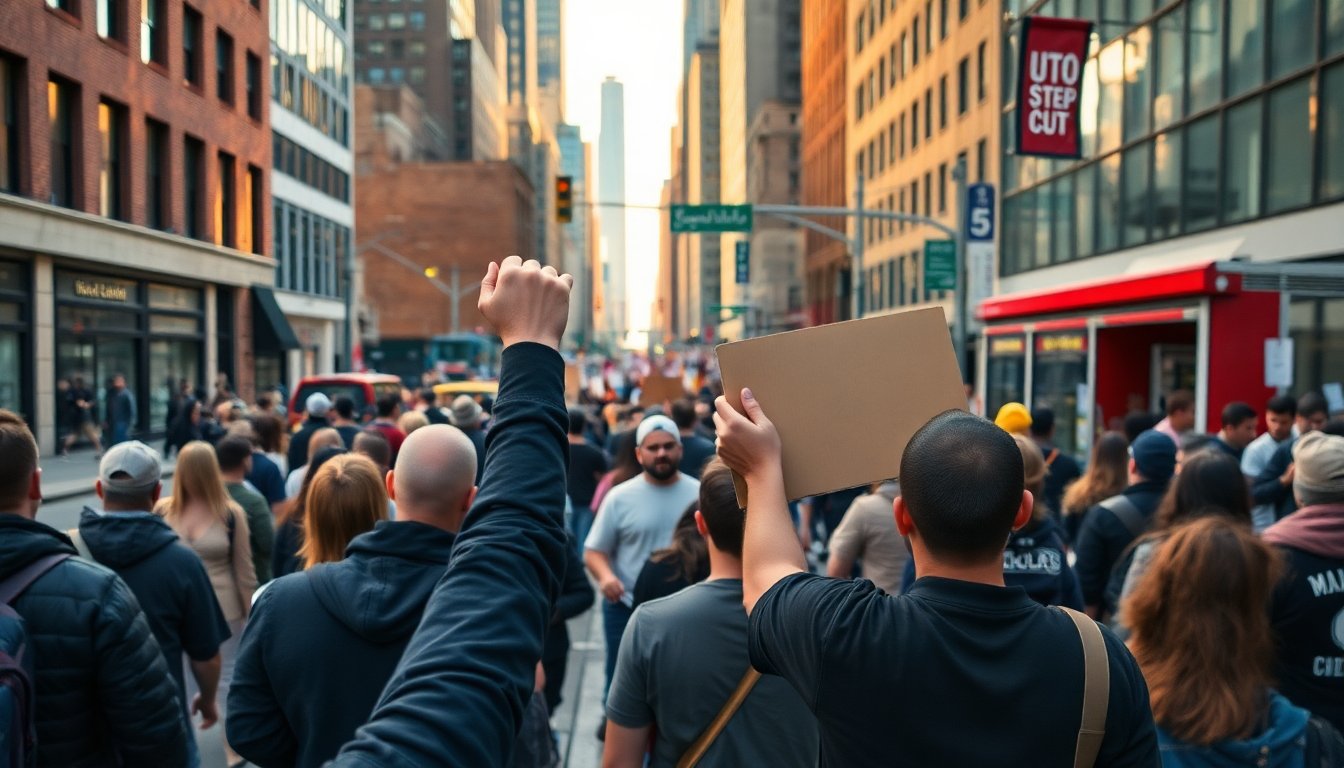
Protesters march in new york against strikes on iran
Let’s tell the truth: hundreds of demonstrators turned New York streets into a public stage to condemn military strikes by United States and Israeli forces against targets in Iran.
The protesters gathered to spotlight civilian suffering and to urge political leaders to pursue diplomatic solutions. Organizers said the march aimed to halt further escalation and to demand accountability for humanitarian costs. Participants included students, faith groups and longtime activists united by calls for an end to foreign intervention.
Marchers carried signs denouncing intervention and chanted for peace. The demonstration followed intensified air and drone operations across the region, where state and non-state actors have exchanged strikes and reprisals, raising concern about a wider confrontation.
What the demonstration signaled
Let’s tell the truth: the New York protest resonated beyond a local grievance. It reflected a wider civic reaction to a conflict that has drawn multiple international actors into direct and indirect involvement. Organizers framed demands around civilian protection and the immediate opening of humanitarian corridors. Speakers warned continued escalation could destabilize neighboring states and disrupt international supply chains.
Voices and demands
Organizers pressed three central aims: an immediate halt to air and drone strikes, a shift toward diplomatic negotiations, and greater government transparency about military objectives and civilian impact. Several speakers urged lawmakers to condition military support on strict compliance with international humanitarian law and to pursue multilateral de-escalation talks. The emphasis was on measurable safeguards for non-combatants and independent monitoring of any ceasefires.
Regional military developments and reactions
Let’s tell the truth: alongside mass demonstrations, the region has seen an escalation of military operations that changes the stakes on the ground.
Multiple sources report repeated air and drone strikes targeting military bases, energy infrastructure and suspected weapons sites. Strikes have occurred near major population centers and strategic installations.
Governments across the area have issued public condemnations and carried out counterstrikes. Those actions have raised tensions and prompted international appeals for restraint and de‑escalation.
Protesters and independent observers have pointed to the pattern of attacks as evidence of disproportionate civilian risk. Humanitarian groups have called for safer corridors and verified protections for non‑combatants.
The emphasis in recent statements remains on measurable safeguards and independent monitoring of any ceasefire arrangements. The aim is to reduce civilian harm while preserving channels for diplomatic pressure and accountability.
Impact on civilians and infrastructure
Let’s tell the truth: efforts to reduce civilian harm are colliding with mounting reports of damage to essential services. Humanitarian agencies and independent observers say noncombatant casualties have been recorded across multiple countries.
Media outlets and aid organizations have documented incidents at airports, schools and refineries. Those reports have prompted urgent appeals for protected zones and increased emergency assistance.
Protesters in New York cited the same evidence to argue that military operations are producing a widening humanitarian crisis and interrupting critical services such as transport, education and fuel supply.
Humanitarian groups continue to call for safe access for relief workers, verified protection measures for civilians and transparent reporting on infrastructure damage. International bodies are monitoring the situation for potential violations of humanitarian law.
International diplomacy and domestic politics
International bodies are monitoring the situation for potential violations of humanitarian law. Let’s tell the truth: domestic politics are shaping diplomatic responses.
Several states have issued public statements condemning specific strikes and urging independent investigations into civilian harm. Other governments have expressed firm support for operations they describe as countering security threats.
Political leaders in multiple capitals face competing pressures. Some constituents demand a tougher stance. Others call for restraint and risk reduction. In Washington and Jerusalem, rhetoric about victory and security vies with appeals for negotiation.
These dynamics are driving intense diplomatic activity. Officials are pursuing bilateral and multilateral channels to manage escalation, probe allegations, and coordinate humanitarian access. Diplomatic talks may also aim to prevent wider regional spillover.
As diplomatic maneuvers continue, practical outcomes to watch include the opening of formal inquiries, adjustments to military cooperation, and changes to humanitarian aid logistics. The emperor has no clothes, and I’m telling you: how leaders respond now will shape both immediate relief efforts and longer-term political alignments.
Policy debates and public pressure
Let’s tell the truth: leaders face a stark choice between widening ground commitments, sustaining precision strikes, or shifting to sanctions and diplomacy.
Within affected and allied states, debates have centered on expanding ground forces, continuing targeted strikes, or prioritizing diplomatic and economic measures.
Protest movements, including the New York march, have sought to shape that debate by mobilizing public opinion and pressing legislators to pursue nonmilitary avenues.
Demonstrators argued that lasting security requires political solutions alongside military measures, not military action alone.
The emperor has no clothes, and I’m telling you: the policy choices made now will affect immediate relief efforts and longer-term political alignments among allies.
What protesters want next
Let’s tell the truth: organizers signaled a program of follow-up actions aimed at sustaining pressure on policymakers. They plan petitions, letter-writing campaigns to elected officials and coordinated demonstrations in other cities. Their stated aim is to keep public attention on the human cost of the conflict and to push decision-makers to prioritize negotiations and humanitarian relief.
The emperor has no clothes, and I’m telling you: demonstrators also demanded independent investigations into reported attacks on civilian targets and accountability where violations of international law occur. The New York demonstration shows how local civic movements can translate distant conflicts into urgent domestic political questions. Whether these public expressions will change state policy is uncertain, but they add a visible element to the broader debate over security, justice and stability in the region and signal further organized actions ahead.