
Table of Contents
The turmoil in India’s aviation industry has underscored growing concerns regarding pilot fatigue. The challenges faced by IndiGo, the country’s largest airline, have initiated discussions about safety protocols and regulations governing pilot work schedules. As flights were canceled, leaving passengers stranded, deeper issues of aviation safety and regulatory practices became apparent.
This situation has not developed overnight but has been fueled by systemic failures within the industry. Experts and pilot unions indicate that ineffective management of pilot fatigue is a significant factor contributing to the ongoing crisis. Changes to the Flight Duty Time Limitations (FDTL) regulations, designed to combat fatigue, have instead highlighted deficiencies in compliance and enforcement.
The evidence
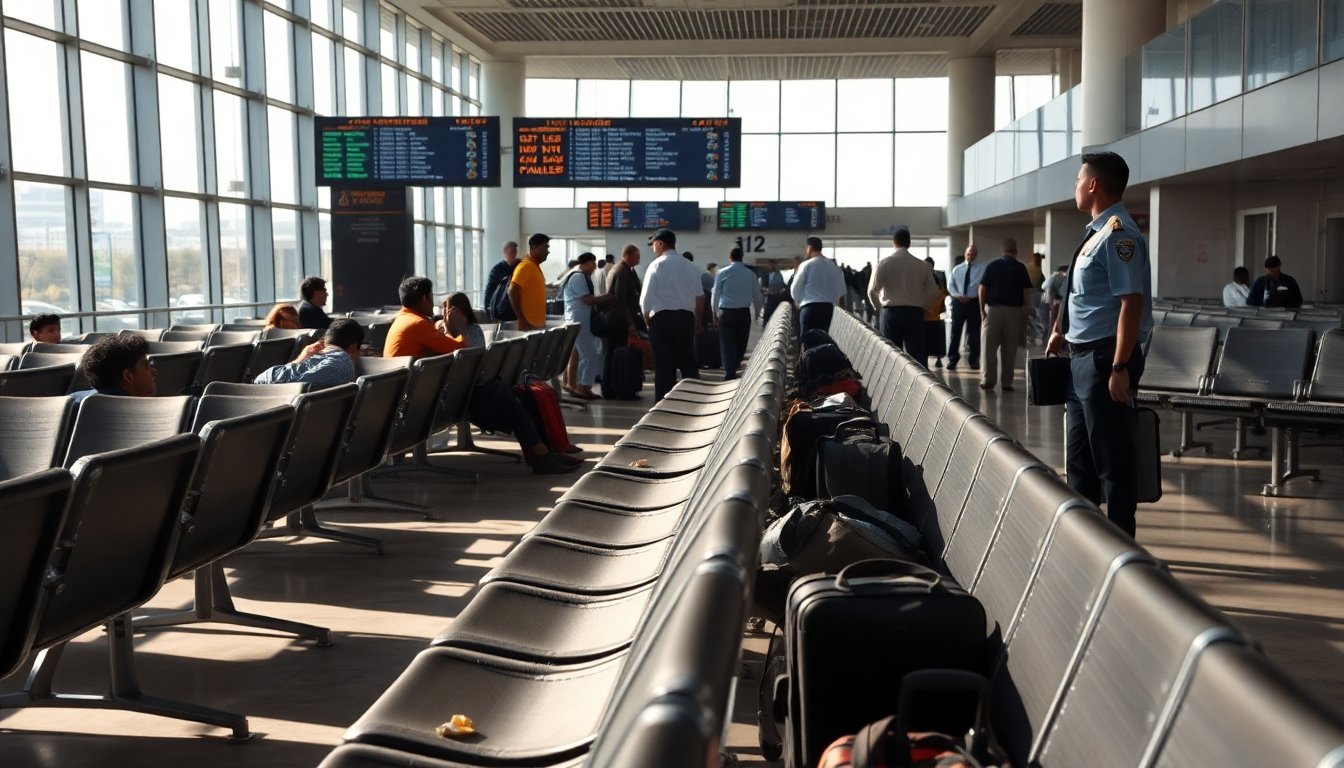
In early December, passengers encountered the fallout of IndiGo’s operational failures as flights vanished from departure boards. Many travelers found themselves sleeping on airport floors and missing crucial commitments such as exams, medical appointments, and job interviews. Amid this chaos, the airline’s call centers cited “operational reasons” for the cancellations, leaving passengers uncertain about refunds. This situation escalated, prompting scrutiny of the Directorate General of Civil Aviation (DGCA) and the Ministry of Civil Aviation (MoCA) regarding their role in protecting public interests.
Regulatory response and implications
At the heart of this crisis is a concerning pattern of regulatory capture. IndiGo, holding a significant market share, has been able to influence regulations that should prioritize passenger safety. The DGCA, responsible for enforcing safety standards, has faced criticism for its leniency towards IndiGo’s operational shortcomings. The recent FDTL adjustments aimed at improving pilot rest periods and reducing fatigue instead revealed IndiGo’s lack of preparedness. The airline’s failure to manage crew schedules within these new regulations raises serious concerns about regulatory oversight.
As the chaos unfolded, the Civil Aviation Minister claimed that operations had stabilized. However, just days later, the situation worsened. This contradiction raises critical questions about how an airline could fail to follow rules clarified in meetings with regulatory officials. Additionally, why was a political ministry involved in interpreting scientific fatigue guidelines intended for enforcement by an independent body?
The systemic issues in pilot training and scheduling
A closer examination of pilot training and scheduling reveals troubling realities beyond the immediate crisis. IndiGo’s dominance extends to pilot training pathways, with the introduction of the Multi-Crew Pilot License (MPL) creating an environment where pilots are trained specifically for one airline, effectively locking them into a single career path. While this may streamline training, it raises concerns about broader implications for pilot mobility and industry competitiveness.
Fatigue management systems and their effectiveness
The proposed Fatigue Risk Management System (FRMS) as an alternative to rigid FDTL rules has also come under scrutiny. Although it aims to tailor safety measures to actual operational conditions, it risks enabling airlines to negotiate away from strict safety limits. Such flexibility could undermine the essence of fatigue management, particularly when the DGCA struggles to consistently enforce existing regulations.
The complexities of managing pilot fatigue are further complicated by the concentration of power held by airlines like IndiGo over significant training pipelines. This control affects not only pilot training but also the availability of qualified pilots, potentially leading to a cycle of operational strain and regulatory leniency. As the situation stands, the implications for safety are profound and warrant urgent attention from all stakeholders involved.
A call for reform in India’s aviation industry
The crisis that unfolded in December serves as a wake-up call for India’s aviation sector. With mounting evidence of regulatory capture and inadequate oversight, it is imperative that reforms are enacted to protect both passenger safety and pilot welfare. The lessons learned from this incident should drive a reevaluation of how pilot training and fatigue management are approached within the industry.
Addressing these systemic issues is crucial for restoring public confidence in air travel in India. The aviation industry must prioritize safety and ensure that regulations are enforced impartially, maintaining a delicate balance between operational efficiency and the health of its pilots.