
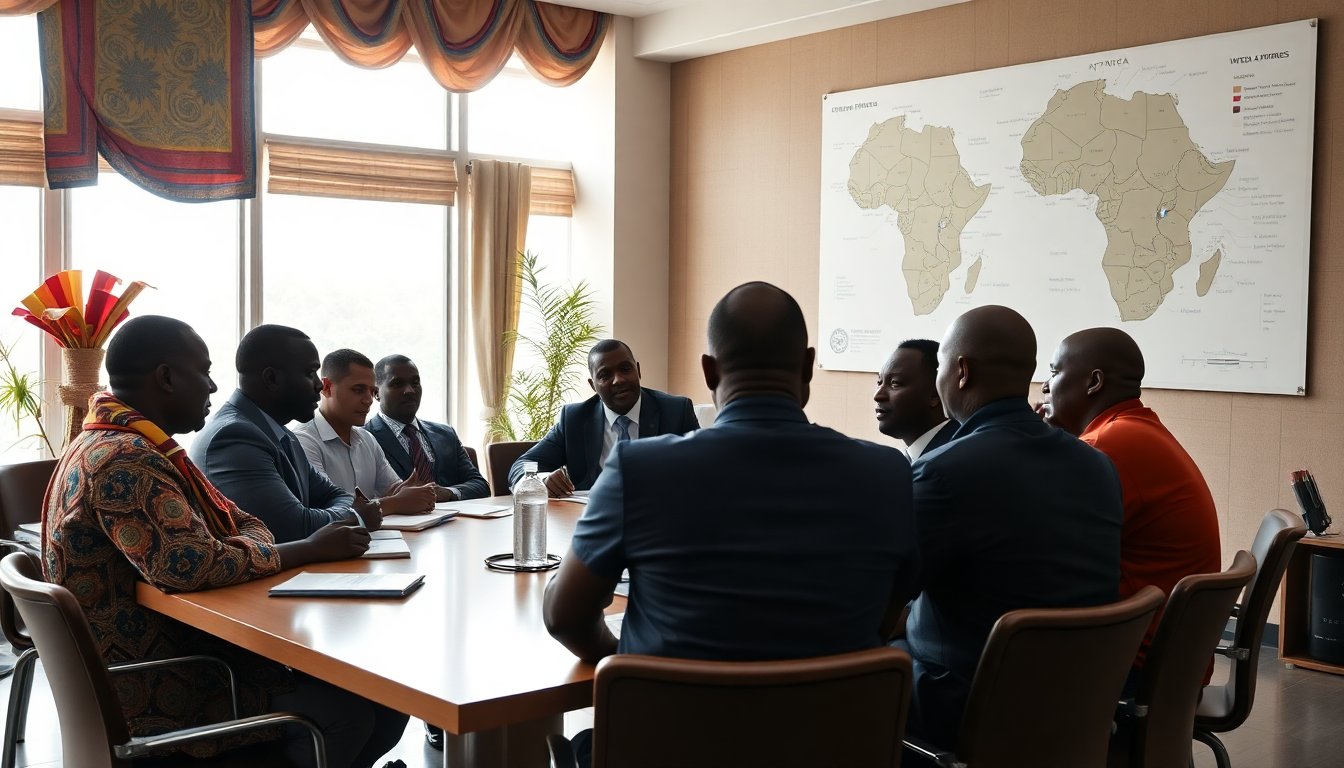
African nations are increasingly asserting their independence from external pressures, particularly those from U.S. President Donald Trump. As the political landscape evolves, it is clear that many African leaders are prioritizing their countries’ interests over maintaining favorable relations with the American administration. This shift marks a significant moment in international politics, redefining the dynamics between Africa and the United States.
Trump’s administration has emphasized the need for favorable relations, yet Africa’s response indicates a growing confidence. The continent is focusing on its own agendas, which may not always align with U.S. objectives. This assertiveness reflects a broader trend of nations seeking to prioritize sovereignty and self-determination in the face of external influences.
U.S. foreign policy and its impact on Africa
The recent actions taken by the Trump administration have drawn skepticism across Africa. Following Executive Order 14199, which outlined withdrawal from various international organizations, many African nations have begun reassessing their ties with the U.S. The order targeted entities deemed contrary to American interests, resulting in a significant reduction in U.S. engagement in global issues such as climate change and humanitarian efforts.
Among the organizations affected are 31 United Nations bodies and numerous other non-UN organizations critical for addressing global concerns, including climate action and social justice. This withdrawal raises questions about the U.S. commitment to multilateralism and its implications for global governance. As the U.S. steps back, African nations are navigating these challenges independently, fostering relationships with other global partners.
Defiance in the face of pressure
Despite strong rhetoric from the Trump administration, African leaders increasingly pursue their own interests. Countries across the continent are recognizing that they can no longer rely solely on the U.S. for support and are exploring alternative avenues for collaboration. For instance, nations are engaging with emerging powers such as China and India, seeking partnerships that align more closely with their development goals.
The African Union has played a vital role in fostering unity among member states, encouraging collective resistance to external pressures. This solidarity is crucial in addressing regional issues such as security threats and economic challenges that require a unified approach. By prioritizing regional cooperation, African nations are showcasing their determination to assert their sovereignty.
Reimagining international relations
The current geopolitical landscape presents African nations with an opportunity to redefine their relationships on the global stage. As the U.S. withdraws from international commitments, Africa has the chance to engage with a diverse range of partners, thereby enhancing its diplomatic leverage. This shift could pave the way for more equitable and mutually beneficial relationships that prioritize African interests.
Moreover, by embracing their autonomy, African countries can focus on sustainable development and social progress. Initiatives aimed at addressing climate change, improving education, and enhancing healthcare systems are gaining traction as countries seek to build resilience against global challenges. The emphasis on self-reliance highlights a crucial turning point in Africa’s history, where the continent is not merely a recipient of aid but an active participant in shaping its future.
A new chapter for Africa
Africa’s response to pressures from the Trump administration signifies a pivotal moment in its journey toward greater self-determination. The continent’s commitment to prioritizing its own interests over appeasing external powers reflects a broader shift in global dynamics. As African nations forge new partnerships and assert their independence, they are reshaping their destinies and contributing to a more balanced and equitable global order.


