
Table of Contents
Canadian fugitive’s arrest raises questions over AI-generated evidence
The recent arrest of Canadian fugitive Ryan Wedding has generated significant intrigue and skepticism. This follows the presentation of an AI-generated image by Mexican President Claudia Sheinbaum. The image allegedly depicted Wedding at the U.S. Embassy in Mexico City, prompting claims that he had voluntarily surrendered to authorities.
However, investigations have revealed that the image is a product of artificial intelligence. This development raises important questions regarding the authenticity of such evidence in high-profile criminal cases.
The controversial image and its implications
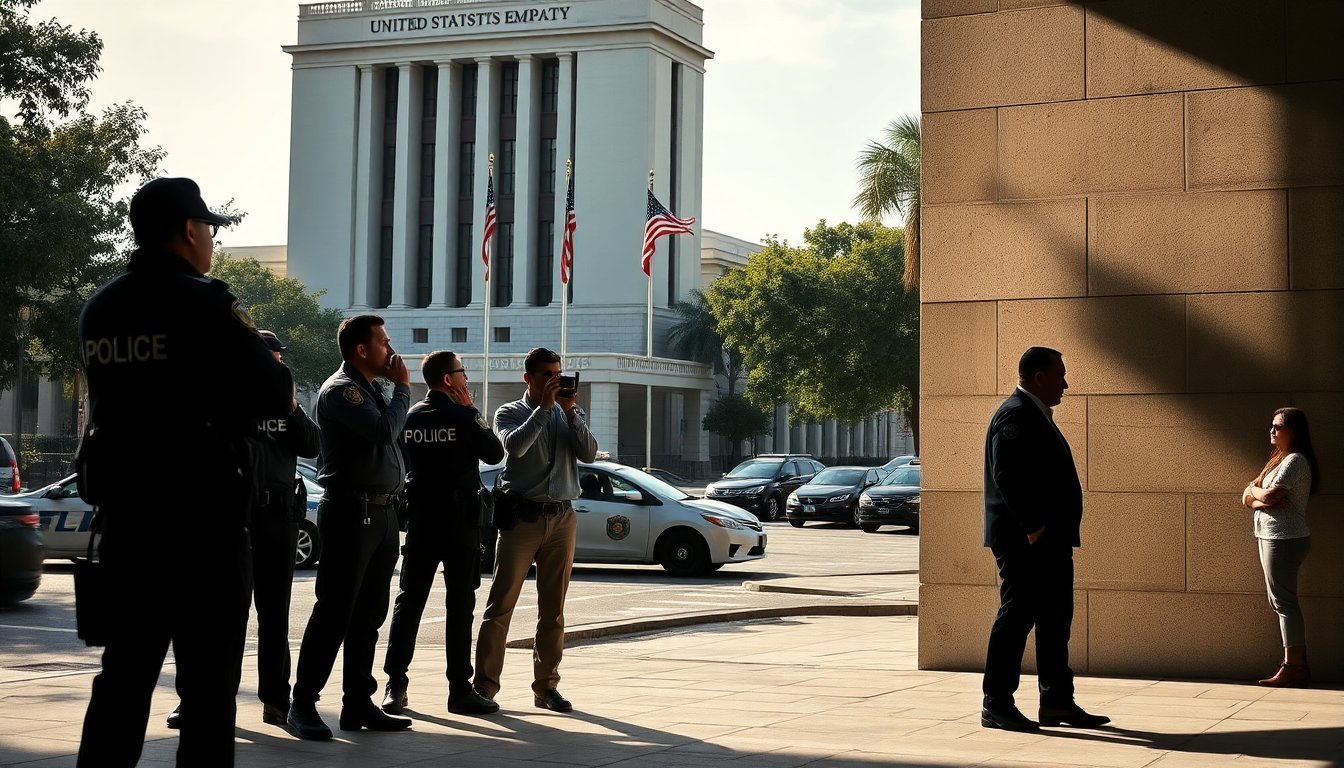
During a recent press conference in Mexico City, President Sheinbaum presented an AI-generated image, claiming it as evidence of Wedding’s surrender. The image was associated with an Instagram account purporting to belong to Wedding, which was soon proven false due to its ties to artificial intelligence. This incident underscores the growing concern over misinformation in a digital landscape where deepfakes and AI-generated content can easily mislead both the public and officials.
Background of Ryan Wedding
Ryan Wedding was once a celebrated Olympic snowboarder. Now, he faces serious allegations as a suspected drug kingpin. He is linked to the Sinaloa Cartel and is accused of running a drug trafficking operation that transported large quantities of cocaine across North America. Following his arrest, he was extradited to California to confront multiple charges, including murder. As he maintains his not guilty plea, the story of his surrender continues to develop, heavily influenced by the accounts provided by Mexican officials.
Discrepancies in the surrender story
The claim of voluntary surrender is contested by Wedding’s defense attorney, who asserts that his client was apprehended, contradicting the official narrative from Mexican authorities. This divergence raises questions about the reliability of the information being disseminated to the public and the potential motives behind these discrepancies. The FBI has indicated that they were in contact with Wedding prior to his surrender, suggesting a more intricate interplay of negotiations between U.S. and Mexican law enforcement.
AI’s role in shaping narratives
The use of artificial intelligence to create misleading images highlights the necessity for critical evaluation of visual evidence. An AI-generated image depicted Wedding outside the embassy, but it displayed obvious signs of manipulation, such as distorted text on his cap. Additionally, the actual U.S. Embassy is undergoing renovations, raising further questions about the image’s authenticity.
Political implications and future considerations
This incident not only highlights the challenges of managing high-profile criminal cases but also underscores the broader implications of misinformation in today’s digital landscape. The Mexican government faces increasing pressure to demonstrate its commitment to fighting drug cartels, especially as scrutiny from the U.S. administration intensifies. The framing of Wedding’s surrender as a significant achievement may be an effort to enhance both domestic and international perceptions of Mexico’s law enforcement capabilities.
The circumstances surrounding Ryan Wedding illustrate a growing disconnect between the realities of law enforcement operations and the narratives constructed for public consumption. As the distinction between fact and fiction becomes more ambiguous, particularly with the proliferation of AI-generated content, it is crucial for both the public and authorities to approach such claims with a discerning perspective.
This ongoing case highlights the influence of technology on public perception and emphasizes the need for accountability in the narratives that arise from significant legal events.