
Table of Contents
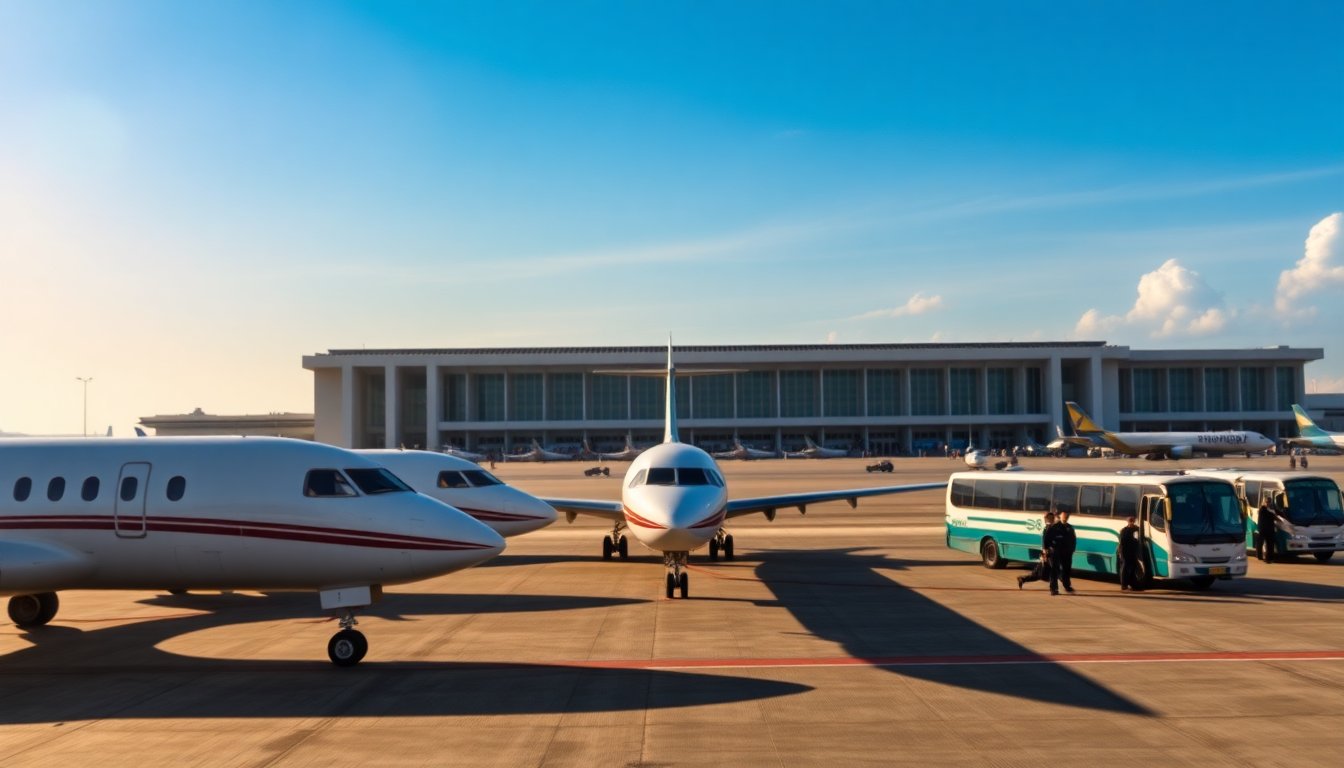
In a significant move, Air Canada has announced the suspension of its flight operations to Cuba starting Monday. This decision follows an alarming shortage of jet fuel at José Martí International Airport, prompting the airline to take immediate steps to ensure the safety and return of passengers currently in Cuba.
To facilitate this, Air Canada will deploy empty aircraft to repatriate approximately 3,000 travelers stranded on the island. This action comes in response to official advisories warning of an unreliable aviation fuel supply at Cuban airports, raising concerns among airlines and travelers alike.
Impact of fuel shortages on travel
Travelers planning trips to Cuba now face a state of uncertainty. The Canadian government has issued heightened travel advisories, cautioning citizens about the deteriorating conditions of fuel and food shortages. This advisory underscores the urgent need to address the ongoing crisis, leaving many potential vacations in jeopardy as tourists reconsider their plans.
Background of fuel dependency
Cuba has historically relied on Venezuela for its jet fuel supply, a relationship now strained by geopolitical tensions. Since mid-December, Cuba has not received crude or refined oil products from Venezuela due to U.S. sanctions aimed at crippling the Venezuelan economy. This situation not only impacts the aviation sector but also intensifies the struggles of daily life for Cuban citizens.
Response from airlines and travel agencies
In light of these developments, several airlines, including WestJet, Air Transat, and Sunwing, have introduced flexible rebooking and cancellation options for affected travelers. Air Canada has confirmed that customers impacted by the cancellations will automatically receive full refunds.
WestJet cited a power outage as the reason for its advisory regarding flights to and from Cuba, which will remain in effect until February 26, 2026. Additionally, Air Transat has reported that some resorts in Cuba have temporarily closed due to low occupancy rates, further complicating travel plans.
Personal experiences from travelers
For many travelers, such as Kim Darby from Burlington, Ontario, this news is disappointing. Darby, who was looking forward to his seventh trip to Cuba for fishing, expressed understanding of the situation. “If there are fuel shortages and food, it should go to the people. Tourists can go elsewhere,” he remarked. Despite the cancellation of his flight to Cayo Santa Maria, he successfully rebooked a vacation to Negril, Jamaica.
While some travelers express disappointment, others advocate for prioritizing limited resources for local needs. Tamanisha John, a political expert on Caribbean development, emphasized the Cuban government’s capacity to manage its resources effectively. She suggested that tourists may still enjoy high-quality accommodations as the government focuses on maintaining its best facilities operational.
Future prospects for travel to Cuba
Despite the current challenges, there is optimism regarding the future of travel to Cuba. Airlines may explore alternative refueling options at nearby Caribbean airports, ensuring that flights can continue, albeit with necessary adjustments. For instance, Air France has announced plans to make stops at other Caribbean locations for refueling purposes.
As the situation continues to evolve, it remains imperative for travelers to stay informed and adaptable with their plans. The ongoing fuel crisis highlights the resilience and adaptability of both airlines and travelers alike amidst challenging conditions.