
Table of Contents
On December 10, an Alaska Airlines flight was disrupted when a passenger exhibited erratic behavior, attempting to open a cabin door while the aircraft was in flight. This incident raises concerns about the potential dangers in confined spaces like airplanes. The passenger, identified as Kassian William Fredericks, was traveling on flight 87, which was en route from Deadhorse to Anchorage.
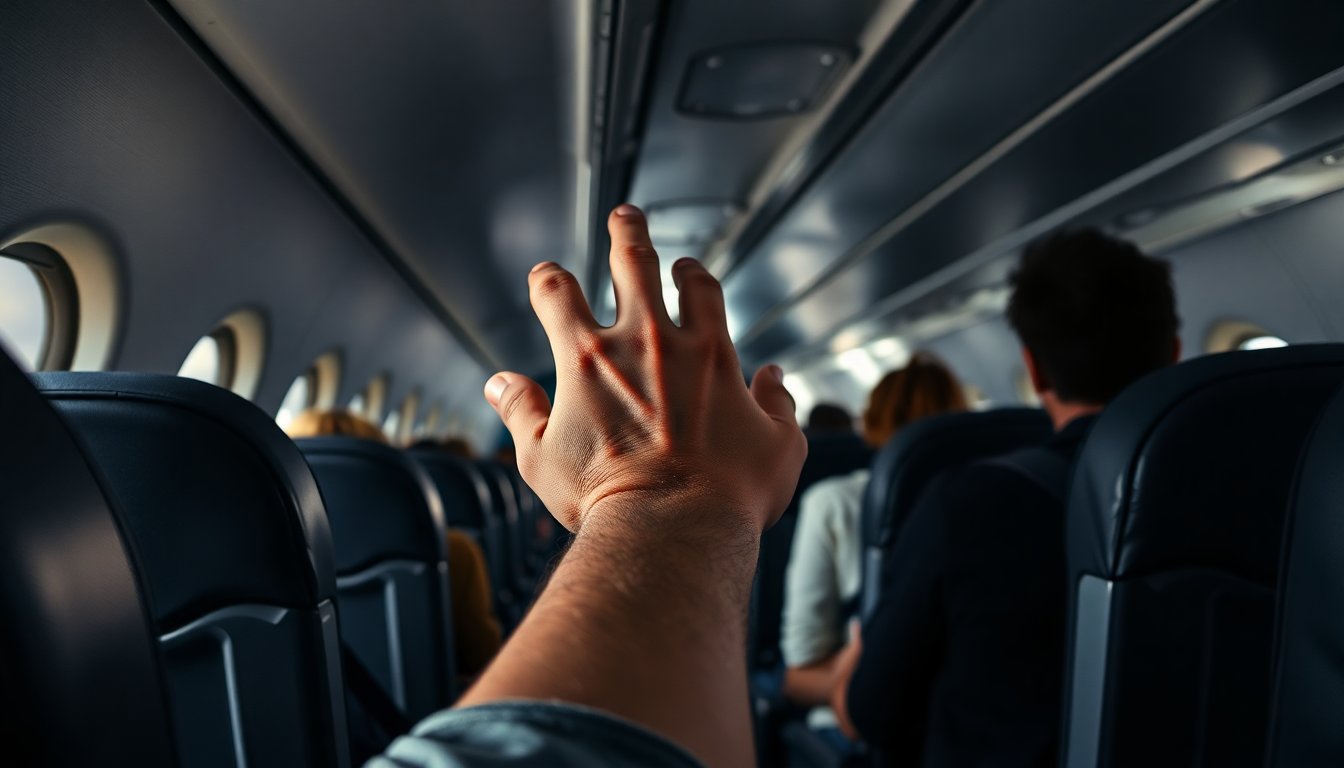
Fredericks’ actions began shortly after takeoff from Prudhoe Bay. Witnesses reported that he behaved strangely and made alarming statements, claiming something was wrong with the aircraft. As he moved towards the rear of the cabin, he allegedly attempted to pry open the door, alarming both passengers and crew.
The alarming behavior of the passenger
As the flight climbed to altitude, Fredericks became increasingly agitated. A fellow passenger returning from the lavatory noticed him trying to force the rear cabin door open and quickly intervened. This prompted two other male passengers to assist in restraining him. An FBI affidavit later indicated that Fredericks shouted, “I need to call my mom!” and “How do I break the window?” illustrating his distress.
Witness accounts and reactions
During the incident, Fredericks was overheard telling another passenger he needed to get out for air, indicating a feeling of being trapped. His erratic declarations included claims that the wings of the plane had disappeared and that he was experiencing hallucinations. These comments alarmed those around him, leading to a concerted effort to ensure everyone’s safety on board.
Both flight attendants and passengers expressed concern about Fredericks’ state. One passenger noted that if not for several larger North Slope workers on the flight, the situation could have escalated further. Fredericks continued to struggle against his restraints, suggesting he believed he was in danger. His behavior was described as unsettling, prompting the crew to alert the flight deck.
Response from the crew and authorities
Flight attendants recognized that Fredericks posed a potential threat not only to himself but also to other passengers. Despite the physical impossibility of opening the cabin door at cruising altitude due to outside air pressure, his actions could have triggered the deployment of emergency slides, posing serious risks to all on board.
In response to Fredericks’ alarming behavior, the pilot decided to maintain course to Anchorage instead of diverting the flight, as they were only minutes from landing. Upon arrival, law enforcement and medical personnel were ready to assist. Fredericks reportedly calmed down during the landing process and even apologized to the crew for his actions.
Medical evaluation and legal consequences
After being escorted off the plane, Fredericks underwent a medical evaluation. He disclosed to medical staff that he had consumed alcohol for nearly ten consecutive days and was experiencing hallucinations, severely impairing his perception of reality. He also mentioned taking a prescription medication known as Trazodone, commonly used for treating depression and anxiety.
In the aftermath of this incident, Alaska Airlines officially banned Fredericks from future flights. The airline released a statement thanking the crew for their professionalism and expressing regret for any distress the event caused other passengers. Fredericks now faces serious legal repercussions, including federal charges for interfering with flight crew members, which could result in a sentence of up to 20 years if convicted.
This incident underscores the importance of vigilance and safety measures taken by flight crews and fellow passengers. It serves as a reminder that individual behavior can significantly impact the safety and well-being of everyone on board an aircraft.