
Table of Contents
Alexandria “Lexi” Zahra Jones, daughter of musician David Bowie and model Iman, recently published a detailed account of her teenage years in a lengthy Instagram video posted on Feb. 18. In that message she described a progression from early mental health struggles to being forcibly taken from her family home and placed in several treatment programs while her father’s health declined. Her story blends painful memories of coercion with reflections on personal growth.
She traces the start of her difficulties to preadolescence, when her parents and teachers noticed worrying signs and arranged therapy before she turned 10. Those early interventions, she says, foreshadowed a heavier path: panic attacks, deepening depression, self-harm beginning at 11 and bulimia by age 12. As her difficulties multiplied, so did the interventions, and eventually she was sent to intensive programs that she now calls dehumanizing.
The removal from home and the wilderness program
Jones recounts a morning when her parents and godmother gathered her in the living room and her father read a letter apologizing for what was about to happen. Two large men entered the home and presented a choice framed as either the “easy” way or the “hard” way. When she resisted physically, Jones says they restrained her, looped a rope around her and carried her out to a waiting black SUV. She remembered feeling like “cattle,” stripped of agency as she was driven to an unfamiliar facility.
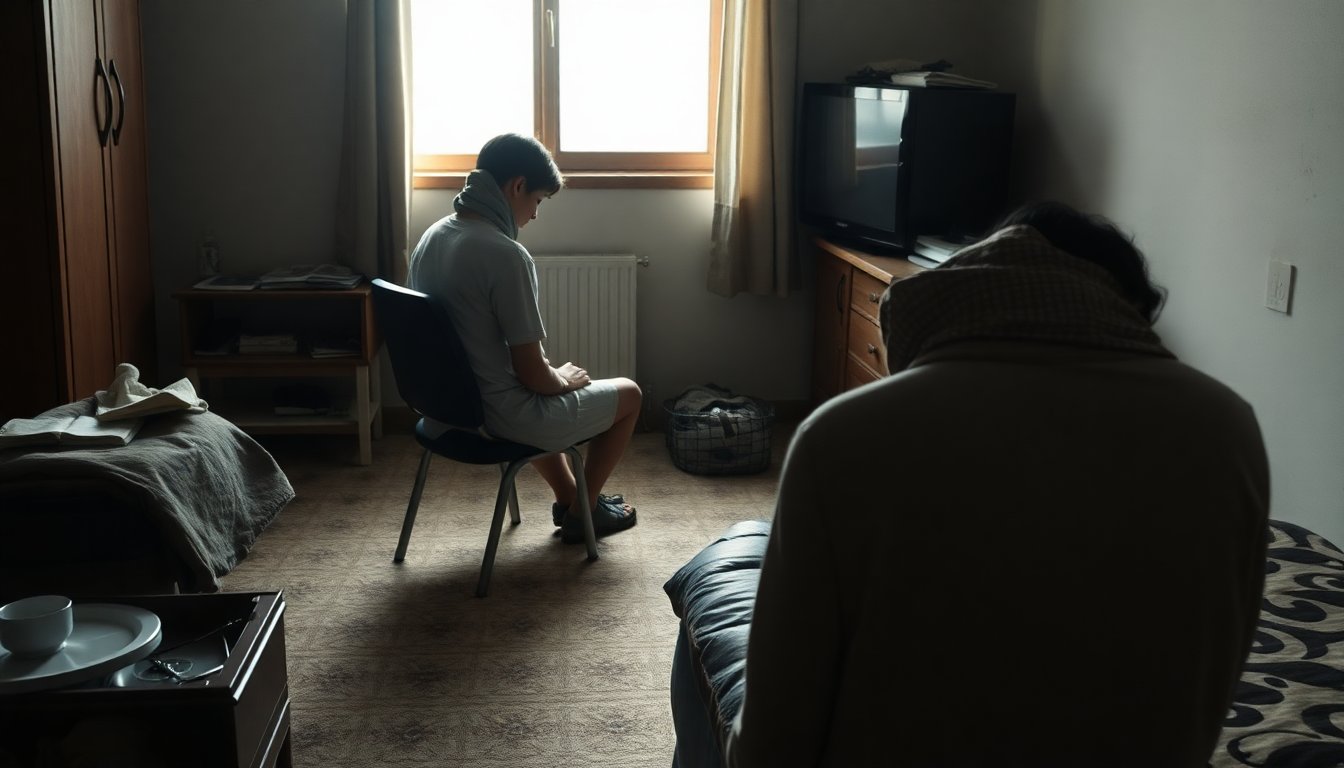
At the wilderness center, the environment was far from the comforting notion of outdoor therapy she had imagined. She was strip-searched and issued heavy outdoor clothing. The regimen involved building makeshift shelters on yoga mats, cooking over fires and digging latrine holes. Communication with the outside world was limited to weekly letters and only from preapproved correspondents. Jones described strict surveillance: counting aloud when using the bathroom and being kept unaware of the time.
Peer bonds amid harsh rules
Despite the punitive rules, Jones credited her peers with preserving a sense of humanity. The girls there supported each other emotionally, sharing small acts of kindness that contrasted with the program’s goal of removing comforts to enforce behavioral change. Some therapeutic elements were meaningful, she acknowledged, but much felt like exposing vulnerabilities without consent — a process she found formative but damaging.
Residential treatment, punishment and grief
After three months in wilderness care, Jones was transferred to a residential center in Utah for more than a year. The second facility repeated many of the same invasive routines: strip-searches, constant monitoring and enforced isolation when staff deemed behavior problematic. She recalled being punished for kissing a girl by being placed back into constant surveillance and silenced for weeks — an experience she likened to solitary confinement.
Jones also described moments of positive influence in that setting, such as a teacher who nurtured her interest in art and friendships that endured beyond the program walls. Still, the timing intensified her distress: her father’s cancer was worsening while she remained inside these institutions. She was able to speak to Bowie two days before his birthday and said those last words of love remain with her, but she later saw posts claiming he died surrounded by family, a claim that made her physically ill because she had been absent.
The cycle of being shuffled between programs
After returning home briefly just before turning 16, the sudden freedom felt overwhelming and she quickly reverted to earlier coping behaviors. That relapse led to another placement, continuing a cycle she described as “a problem being passed off.” Each program attempted to mold her into a different version of compliance, and she learned to stop asking where she was being sent. That repetition, she says, contributed to deep-seated confusion about autonomy and identity.
Long-term effects and reclaiming healing
Jones emphasizes that, although she was spared physical abuse — a fate she acknowledged many young people in such programs suffer — the psychological and emotional manipulation left lasting scars. She credits these years with teaching her how to process feelings early, saying she learned to navigate healing before she knew algebra. That rapid maturation was unfair, she admits, but it also helped shape empathy, creativity and emotional depth.
Now 25, Jones frames her story as more than an account of trauma: it is also a narrative about what she built in response. She still notices lingering habits from those years, like scanning rooms for hidden rules and feeling guilty about freedom, but she also takes pride in finally defining recovery on her own terms. Her testimony aims to illuminate the inner costs of coercive treatment models and to remind readers that survivors can become agents of their own healing.
Jones’s post sparked public attention and conversation about the practices used in some adolescent treatment centers. Fox News Digital has reached out to a representative for Iman for comment, and the discussion around such programs continues as families and advocates examine both harm and opportunities for better care.