
Table of Contents
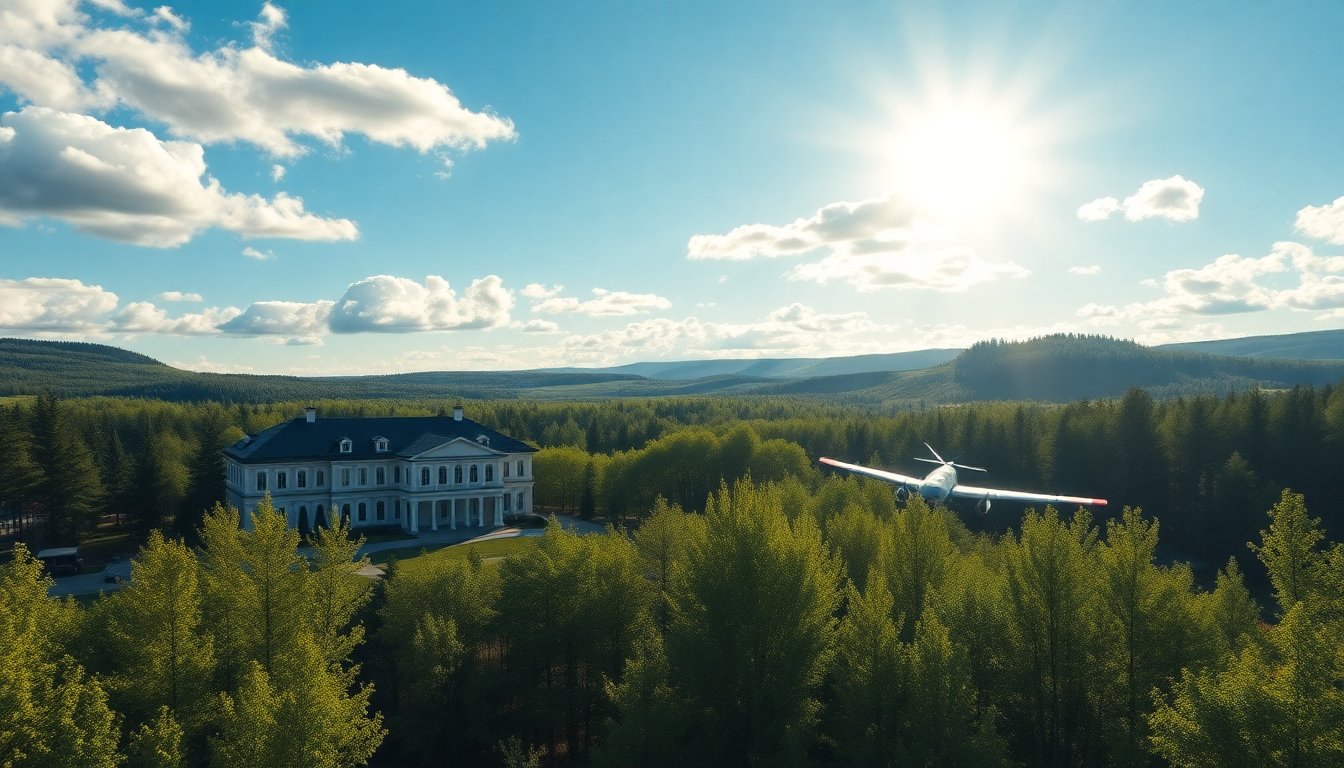
In a notable escalation of rhetoric, Sergey Lavrov, the Russian Foreign Minister, claimed on Monday that Ukrainian drones attempted to strike President Vladimir Putin‘s Valdai residence, located in the Novgorod region of Russia. Lavrov’s assertion came without substantiating evidence, raising questions about the veracity of such claims in the context of ongoing conflict.
Lavrov stated that Russian air defense systems successfully intercepted 91 drones during this alleged attack. However, he did not provide details regarding any damage or casualties resulting from the incident. In light of these claims, he indicated that Russia would consider retaliatory actions and reassess its negotiation stance concerning the ongoing war with Ukraine.
The implications of Lavrov’s statements
During his address, Lavrov emphasized the timing of the alleged drone action, noting that it coincided with intense negotiations between Russia and the United States aimed at resolving the Ukrainian conflict. He warned that such actions would not go unpunished, asserting that the Russian Armed Forces had already identified specific targets for retaliation.
Moreover, he stated that the nature of the Ukrainian government had shifted to one characterized by state terrorism, which would necessitate a recalibration of Russia’s negotiating tactics. This declaration indicates a hardening of positions that could complicate diplomatic efforts aimed at achieving peace in the region.
Ukrainian response and ongoing tensions
In response, Ukrainian President Volodymyr Zelensky refuted the allegations, labeling them as yet another fabrication from Russia. Zelensky suggested that Russia’s claims were strategically aimed at creating discord between Ukraine and its allies. He pointed out that the timing was particularly suspect, coming just after his discussions with former U.S. President Donald Trump, which indicated positive progress for Ukraine.
Zelensky expressed concern that these accusations might serve as a pretext for Russian strikes against Ukrainian government buildings in Kyiv, thereby escalating the conflict further. His administration remains adamant that Ukraine is committed to pursuing diplomatic solutions, even amid such provocations.
Stalemate in peace negotiations
Further complicating the situation, Russian Deputy Foreign Minister Sergei Ryabkov reiterated on December 24 that the Kremlin is not prepared to sign any peace agreements regarding the war in Ukraine. He stressed that recent reports suggesting imminent peace negotiations should not be misconstrued as an indication of Russia’s willingness to formalize any agreements.
In subsequent interviews, Ryabkov dismissed the 20-point peace plan proposed by Zelensky, asserting that it diverges significantly from the framework Russia has been developing with the United States. He framed contributions from Ukraine and Europe to the peace plan as obstacles rather than constructive elements, reinforcing Russia’s stance of continuing military operations until its objectives are met.
The Kremlin’s war objectives
The Kremlin has articulated clear goals for its military actions in Ukraine, including the dismantling of the Ukrainian military, the capitulation of its government, and the erosion of Ukraine’s sovereignty. High-ranking officials, including Putin and Lavrov, have consistently rejected key aspects of various peace proposals while signaling that Russia’s demands must be prioritized in any negotiations.
Ryabkov’s comments also highlighted a broader assertion that any peace framework must address the ultimatums Russia issued to the West in late, which called for a fundamental restructuring of European security arrangements. This insistence demonstrates Russia’s unwillingness to compromise on issues extending beyond the immediate conflict in Ukraine.
Future negotiations and prospects for peace
As diplomatic discussions continue, Zelensky is scheduled to meet with Trump on December 28 to finalize the 20-point peace plan, which he claims is nearly complete. Discussions will focus on essential elements such as security guarantees for Ukraine, territorial considerations, and plans for post-war reconstruction.
Despite these efforts, the path to peace remains fraught with challenges. Zelensky has indicated that a referendum may be held to allow the Ukrainian populace to weigh in on sensitive matters related to the peace plan. This initiative, reportedly a U.S. suggestion, underscores the complexities involved in reaching a consensus that satisfies both domestic and international stakeholders.
In the meantime, Ukrainian forces continue to gain ground in regions like Kupyansk, with reports indicating a shift in control. Russian military bloggers have begun acknowledging these advances, reflecting a growing recognition of the shifting dynamics on the battlefield.
Overall, the interplay of military actions and diplomatic maneuvers underscores the precarious state of affairs in the region, as both sides navigate a landscape marked by distrust and escalating tensions.