
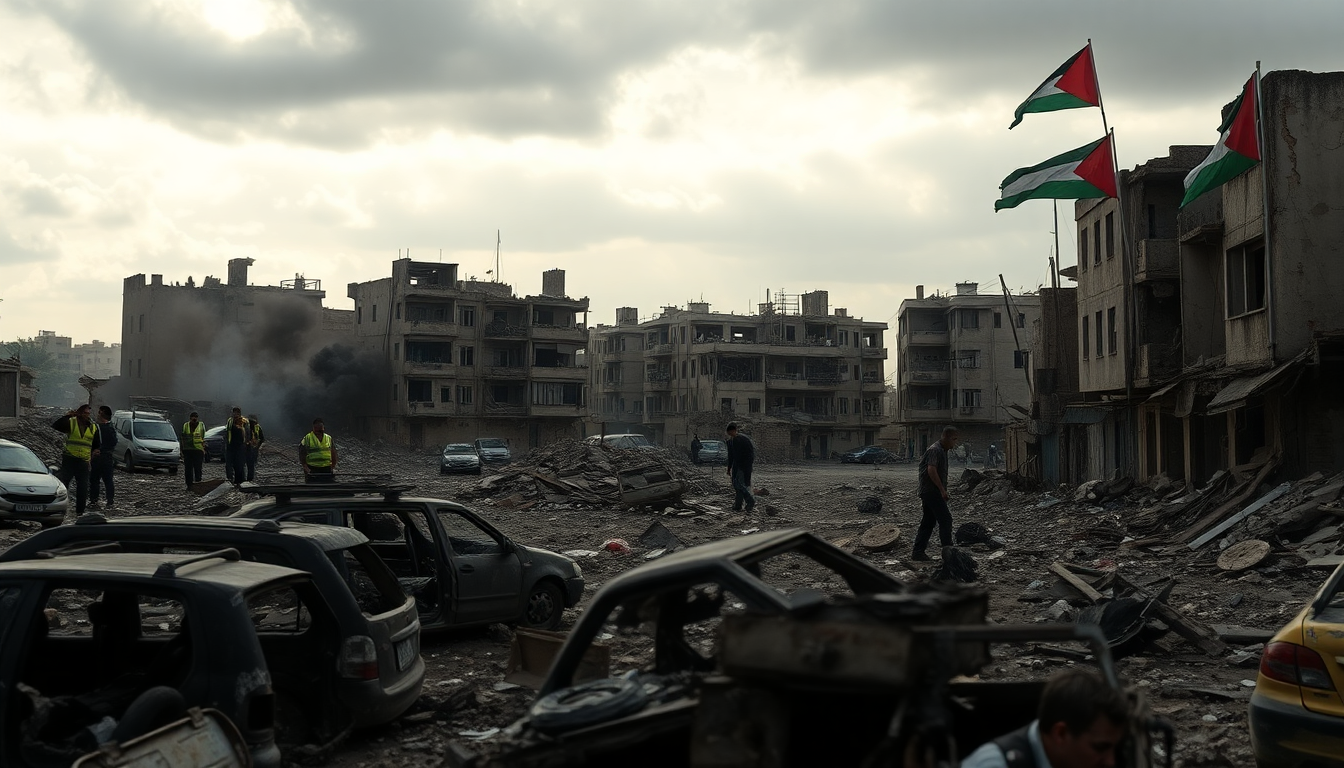
The Israel-Hamas conflict continues to be a major source of geopolitical tension in the Middle East, marked by ongoing military actions, international negotiations, and serious humanitarian issues. As this situation evolves, key players, including the U.S. and various Arab mediators, are trying to establish a ceasefire and tackle the complicated matters surrounding hostages. But what does the current landscape look like, and how might it shape the future of this enduring conflict?
Current Dynamics and Negotiations
In recent weeks, we’ve seen the situation escalate as Israel reaffirms its military objectives against Hamas. Former President Donald Trump has made statements emphasizing that the return of hostages hinges on Hamas’s defeat. This viewpoint fits into a broader strategy not only aimed at resolving the immediate crisis but also addressing Israel’s long-term security concerns.
Interestingly, the U.S. had previously pulled its negotiators from talks in Qatar, stating that Hamas wasn’t engaging in meaningful dialogue. Trump’s confidence in his past successes in negotiating hostage releases paints a picture of assertiveness, aiming to garner support for a more hardline approach against Hamas. But can this strategy really bring about the desired outcomes?
On the other hand, Hamas has shown some willingness to accept a ceasefire proposal from Arab mediators, which could open the door for crucial discussions about hostages. This readiness hints that despite the ongoing conflict, there might be opportunities for dialogue that could lead to a temporary halt in hostilities. Could this be a turning point for both sides?
Pressure on Hamas and Israeli Strategy
Israeli Prime Minister Benjamin Netanyahu’s comments underscore the pressure that Hamas is currently facing due to military actions and international scrutiny. His recent visit to the Gaza Division demonstrates a commitment to the military campaign while also highlighting the need for strategic planning for Gaza’s future.
Netanyahu’s focus on the Israeli Defense Forces’ accomplishments reflects a dual strategy: maintaining military pressure on Hamas while preparing for possible negotiations. The Israeli government appears determined to continue its operations until its goals related to hostages and disarmament are achieved. This hardline approach might complicate ongoing diplomatic efforts—will it backfire or lead to a stronger position at the negotiation table?
As mediators strive to rekindle discussions, the Egyptian Foreign Minister’s comments about ongoing efforts to establish a ceasefire add another layer of complexity. The proposed framework for a 60-day ceasefire aims to create a platform for more permanent negotiations, showcasing the intricate balance between military action and diplomacy that defines this conflict.
The Road Ahead: Prospects for Peace
So, what’s next for the Israel-Hamas conflict? The road to peace is certainly littered with obstacles, but recent events hint that negotiations might still be on the table. Hamas’s acceptance of a ceasefire proposal suggests there could be room for compromise, even amid the ongoing hostilities. How will the roles of external mediators like Qatar and Egypt shape these conversations?
Future discussions will likely revolve around establishing conditions for a lasting ceasefire, the potential release of hostages, and the broader implications for regional stability. As both sides grapple with their objectives, the international community remains watchful, recognizing that the stakes are incredibly high—not just for the immediate parties involved but for the entire Middle Eastern region.
In summary, while the conflict rages on, the shifting dynamics and ongoing negotiations present a flicker of hope for resolution. The interplay of military actions and diplomatic efforts will continue to influence the future of this region, and the coming weeks will be pivotal in shaping the outcome. Are we on the brink of a breakthrough, or will the cycle of conflict persist?


