
Table of Contents
The landscape of U.S. immigration policy has experienced significant shifts under President Biden’s leadership. His administration’s approach has faced challenges, leading to growing disillusionment among Americans regarding immigration. This article examines key decisions made by Biden and their implications for the political arena, particularly with the resurgence of Donald Trump.
Upon taking office, the Biden administration inherited a complex situation at the southern border, marked by an increasing number of migrants seeking asylum. Despite the urgent crisis, Biden and his advisors overlooked critical recommendations from experts that could have mitigated the situation. This decision strained the immigration system and revived support for Trump’s hardline policies.
The border crisis and its implications
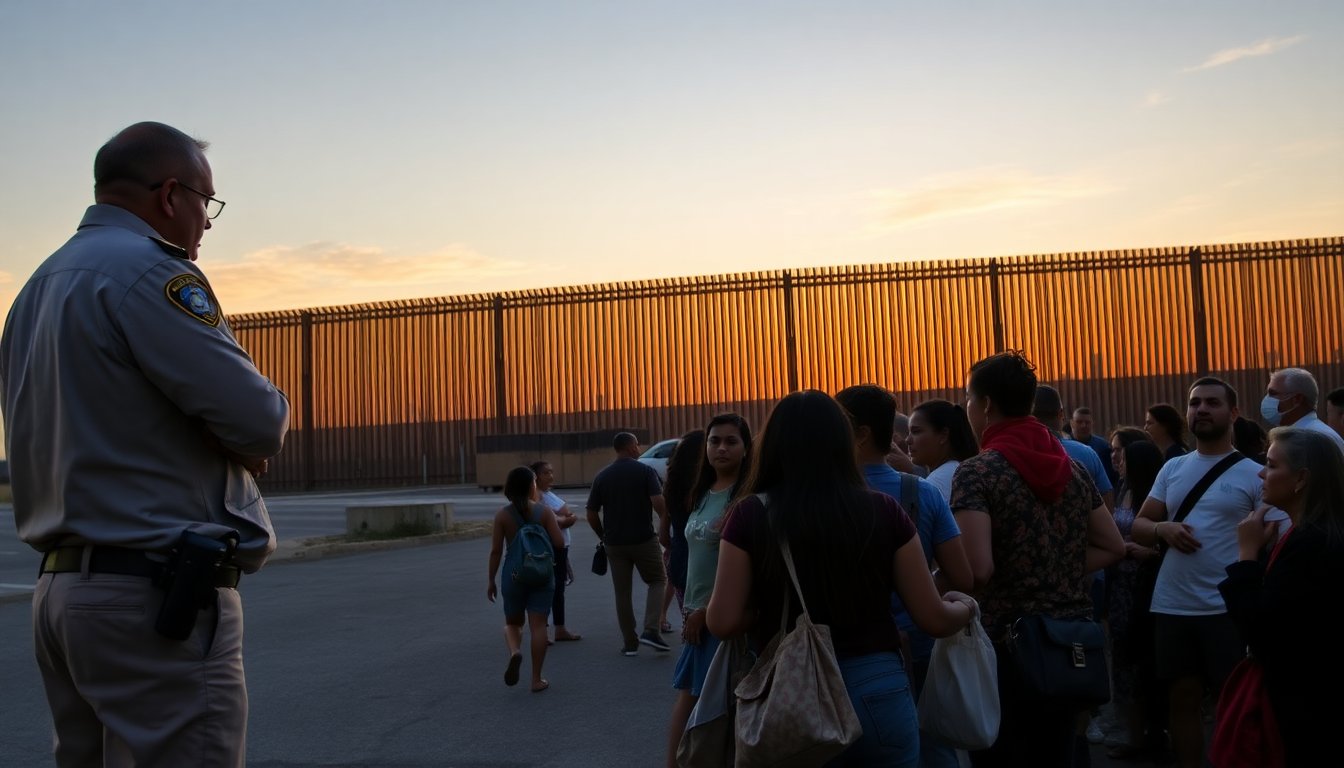
The surge of migrants at the U.S.-Mexico border has defined Biden’s presidency. In an effort to present a more humane approach than his predecessor, Biden’s administration adopted policies aimed at easing the asylum process. However, these efforts resulted in unforeseen consequences. The absence of a robust strategy to manage the influx led to overcrowded facilities and chaotic conditions.
Expert recommendations ignored
During this period, experts and advisors urged the administration to implement measures to streamline processing and enhance resources at the border. By rejecting these suggestions, Biden inadvertently fueled narratives of inefficiency and chaos, which have been exploited by political opponents. Trump’s re-emergence in politics has leveraged this discord, framing Biden’s immigration policies as a failure.
Trump’s immigration agenda reemerges
In light of Biden’s challenges, Trump’s administration has seized the opportunity to reinforce its immigration agenda. The former president’s hardline stance, which includes stringent travel bans and aggressive deportation policies, has found renewed support among his followers. This is evident in Trump’s recent announcement of a pause on immigration applications from 19 non-European countries, justified under the guise of national security.
National security concerns and political rhetoric
Trump’s administration cited recent incidents, including an attack on National Guard members, to support claims for heightened immigration restrictions. A memorandum issued by the administration indicated that all immigration applications from the targeted countries would undergo rigorous re-evaluation, creating further barriers for those seeking entry into the United States. This approach not only demonstrates Trump’s resolve but also highlights a shift in the political landscape, where immigration policy is increasingly framed around national security.
The affected countries include Afghanistan, Somalia, and Libya, which have faced severe restrictions since earlier travel bans. The implications for immigrants from these nations are severe, obstructing their paths to citizenship and legal residency. The American Immigration Lawyers Association has reported numerous cancellations of naturalization ceremonies and interviews, indicating the disruptions caused by the evolving policies.
As Trump amplifies his rhetoric against specific groups, such as Somalis, societal divides in America widen. This shift illustrates how immigration remains a contentious issue, often used as a political tool to rally support.
Consequences for the future
The ongoing immigration crisis poses significant challenges for the Biden administration as it seeks to regain public trust. With Trump leveraging the situation to his advantage, the stakes are higher than ever for the Democrats. Decisions regarding immigration will resonate through the political landscape for years to come, influencing voter sentiment and shaping policy debates.
The complex interplay between Biden’s immigration policies and Trump’s political resurgence underscores the need for effective governance in this area. As the nation confronts these pressing issues, the demand for comprehensive reform becomes increasingly evident. Moving forward, it is crucial for leaders to learn from past missteps to build a more inclusive and effective immigration system.