
The recent hate crime incident in Boulder, Colorado, has sparked serious conversations about radicalization and the impact of targeted violence in our communities. This shocking event serves as a stark reminder of the ongoing struggle against hate and intolerance in society. With the details surrounding the case of Mohamed Sabry Soliman—who stands accused of launching a violent attack during a demonstration—we gain critical insights into the motivations behind such acts and how the community is responding.
Incident Overview and Charges
On June 1, a federal grand jury formally charged Mohamed Sabry Soliman with twelve counts of hate crimes following a violent incident in Boulder. The indictment claims that Soliman used Molotov cocktails in an assault on demonstrators advocating for Israeli hostages in Gaza. Initially, he faced just one hate crime charge after the attack, but these new charges highlight the gravity of his actions and the motivations that fueled them.
According to the indictment, Soliman entered a public park equipped with a sophisticated setup for launching incendiary devices. He approached participants in the “Run for Their Lives” demonstration, throwing lit Molotov cocktails while shouting pro-Palestinian slogans. This calculated act of violence not only reveals Soliman’s personal motivations but also sheds light on the broader societal tensions surrounding the Israeli-Palestinian conflict. Have you ever wondered how such intense feelings can lead someone to act violently?
In the aftermath, authorities found a handwritten document in Soliman’s vehicle, revealing his extremist views against Zionism. This document contained derogatory statements about Israel, suggesting a deeply ingrained ideological motive behind his violent actions. It raises an important question: how can we combat radicalization and hate speech in their various forms? This incident emphasizes the need for community vigilance and engagement against such ideologies.
Community Response and Implications
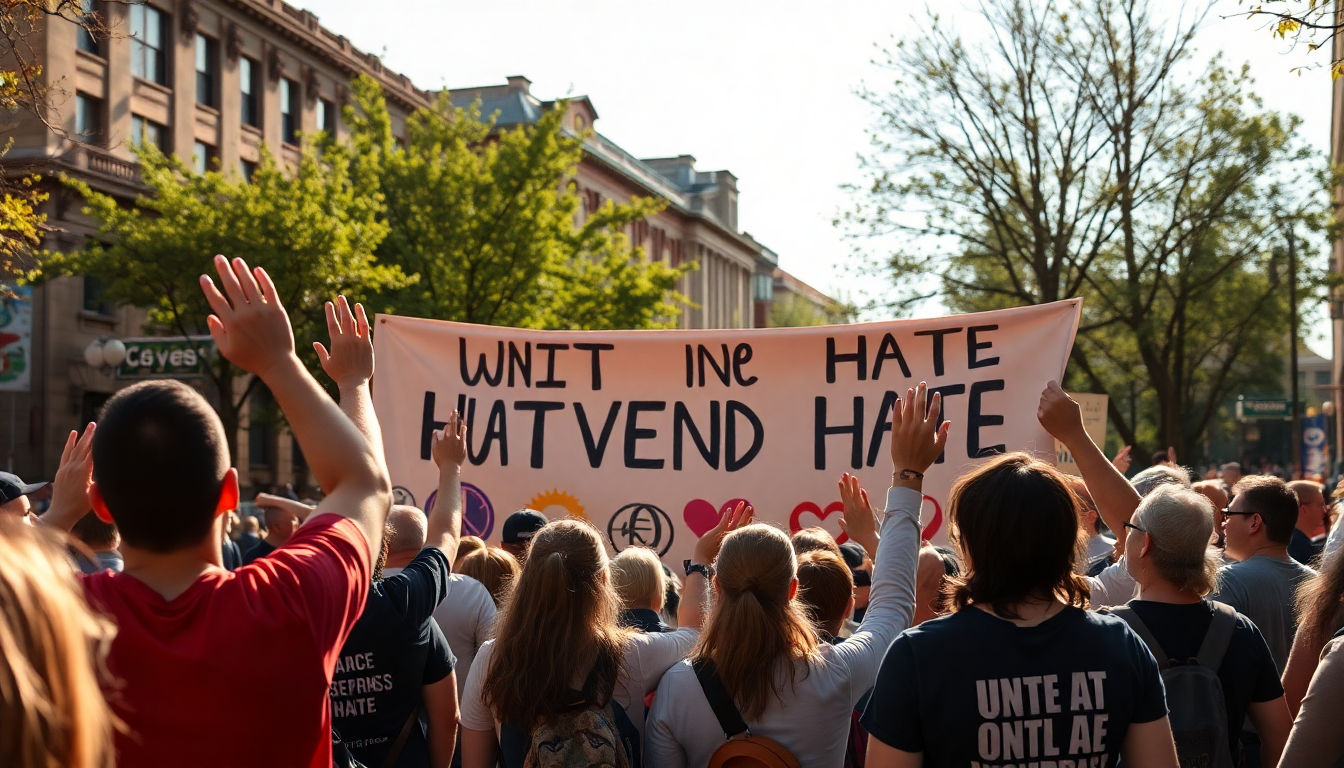
The Boulder community’s response to the attack has been one of solidarity and resilience. Local leaders and residents have come together to condemn the violence, stressing that such acts have no place in civil discourse. The “Run for Their Lives” event itself represents a broader call for humanity and compassion, aimed at raising awareness about the hostages taken during the recent conflict and highlighting the community’s commitment to peaceful advocacy.
This incident has also ignited discussions about the need for better measures to combat hate crimes and radicalization. Communities nationwide are reflecting on how to foster inclusivity and tolerance, as well as the importance of dialogue in tackling divisive issues. The Boulder attack serves as a sobering reminder that hate can manifest violently, and it’s up to all of us to work towards a safer environment.
As this case moves through the legal system, its implications reach far beyond the courtroom. They touch upon the very fabric of society and underscore the critical need for ongoing education and advocacy against hate and violence. Community engagement is crucial, playing a vital role in preventing such incidents and promoting understanding among diverse groups. Are we doing enough to foster that understanding?
Legal Proceedings and Future Considerations
As legal proceedings against Soliman progress, the case is sure to draw attention to the complexities surrounding hate crimes and the motivations behind them. Soliman’s defense attorney has argued that the attack was politically motivated rather than a hate crime, leading to important questions about how the law interprets actions driven by ideological beliefs versus those targeting individuals based on their identity.
The outcome of this case could influence how similar incidents are prosecuted in the future, potentially prompting a reevaluation of legal definitions surrounding hate crimes. This is a pivotal moment for lawmakers, legal experts, and community leaders to consider effective strategies for addressing hate-driven violence. Could this case be the catalyst for change?
Ultimately, the Boulder hate crime case stands as a significant reminder of the challenges society faces in tackling hate and radicalization. It underscores the necessity for collective efforts in fostering understanding, compassion, and security within our communities. Are we ready to take on that challenge together?


