
Table of Contents
Headlines surrounding Venezuela have intensified, particularly following the recent actions of the U.S. military against President Nicolás Maduro. Barry Blacklock, a Calgary entrepreneur with extensive experience in the Venezuelan energy sector, has found himself at the center of discussions regarding future investments in the country. Blacklock, who spent 17 years in Venezuela before returning to Canada in 2009, has received numerous inquiries from acquaintances eager to understand the evolving situation.
As Blacklock organizes a coalition of companies interested in exploring investment opportunities, the backdrop of U.S. involvement raises important questions about the future of the Venezuelan oil industry. This development generates a cautious sense of anticipation among many within Alberta’s energy sector.
The current state of Venezuela’s oil industry
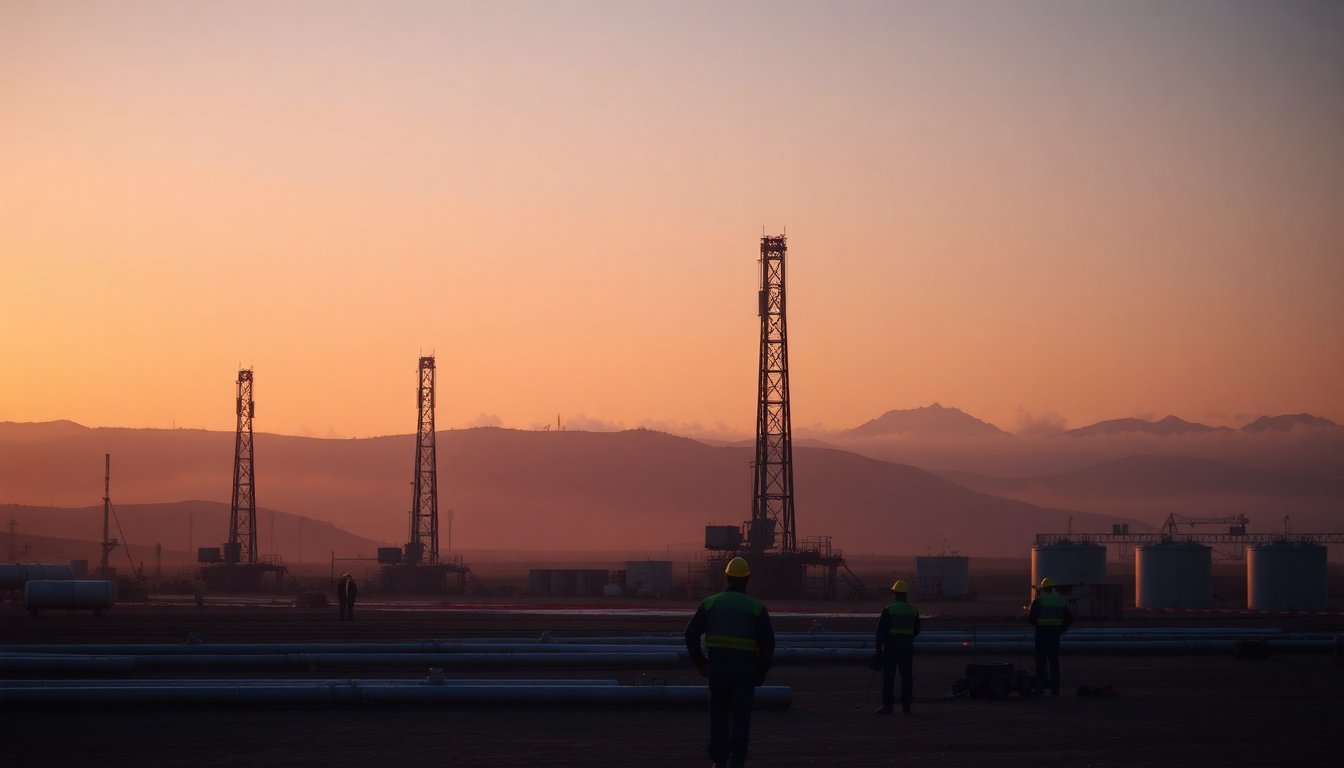
Venezuela possesses the world’s largest proven reserves of crude oil, estimated at approximately 303 billion barrels. However, the nation’s oil production capabilities have significantly declined over the past two decades due to government corruption, mismanagement, and a severe lack of investment. As a result, many oilfields remain dormant and unproductive.
Blacklock elaborated on the condition of the oil infrastructure, stating, “Many oilfields have been neglected and are not yielding any production. Equipment has either been stolen or fallen into disrepair, leading to a situation where substantial overhauls are necessary.” Such observations highlight the significant challenges ahead for any entity looking to invest in this struggling sector.
Investment potential amid uncertainty
Despite these challenges, foreign companies, particularly from Alberta, see potential opportunities. Many of these firms possess expertise in handling heavy oil, similar to that found in Venezuela. Amit Mankekar, an energy consulting expert, noted, “Canada has developed advanced technologies that can greatly benefit Venezuela’s oil sector, technologies that they have not been able to access for years.” This sentiment reflects the cautious optimism among Alberta’s energy executives.
For instance, executives from Strathcona Resources, one of Canada’s leading oil producers, have expressed readiness to mobilize a technical team to assist in revitalizing Venezuela’s oil operations if conditions prove favorable. However, apprehensions remain regarding tax structures, royalties, and the overall safety of Canadian workers in Venezuela.
The implications of U.S. sanctions and intervention
The U.S. has maintained a firm stance against the Maduro government, implementing extensive sanctions aimed at crippling Venezuela’s oil exports. Following the military intervention, uncertainty looms over how these sanctions will evolve and how they will affect the ability of Canadian companies to operate within Venezuela. Rebuilding the oil sector is anticipated to require significant investments and several years before any meaningful progress can be achieved.
Industry leaders have expressed concerns about the viability of investing in a country with such a tumultuous political landscape. Blacklock emphasizes that numerous questions remain unanswered: “What will the tax rates be? How will royalties be structured? And most importantly, will Canadians be safe while working there?” These inquiries highlight the trepidation surrounding the prospect of re-engaging with Venezuela.
Historical context and personal reflections
Pedro Pereira-Almao, a former professor at the University of Calgary and co-founder of NanosTech, reflects on his own experiences in Venezuela’s oil sector. Having worked at the state-owned oil company for years, he recalls the devastating effects of the nationalization policies initiated by Hugo Chávez. This policy led to the displacement of numerous skilled professionals from the industry, including Pereira-Almao, who witnessed friends and colleagues facing dire circumstances.
Today, he contemplates the possibility of returning to contribute to Venezuela’s energy industry, but only under favorable conditions. Pereira-Almao underscores the need for political and economic stability before any meaningful assistance can be rendered. “I would not consider going back until I feel secure that the political and economic climate will allow for safe and productive engagement,” he stated.
Future outlook for Venezuela’s energy sector
As Blacklock organizes a coalition of companies interested in exploring investment opportunities, the backdrop of U.S. involvement raises important questions about the future of the Venezuelan oil industry. This development generates a cautious sense of anticipation among many within Alberta’s energy sector.0
As Blacklock organizes a coalition of companies interested in exploring investment opportunities, the backdrop of U.S. involvement raises important questions about the future of the Venezuelan oil industry. This development generates a cautious sense of anticipation among many within Alberta’s energy sector.1
As Blacklock organizes a coalition of companies interested in exploring investment opportunities, the backdrop of U.S. involvement raises important questions about the future of the Venezuelan oil industry. This development generates a cautious sense of anticipation among many within Alberta’s energy sector.2