
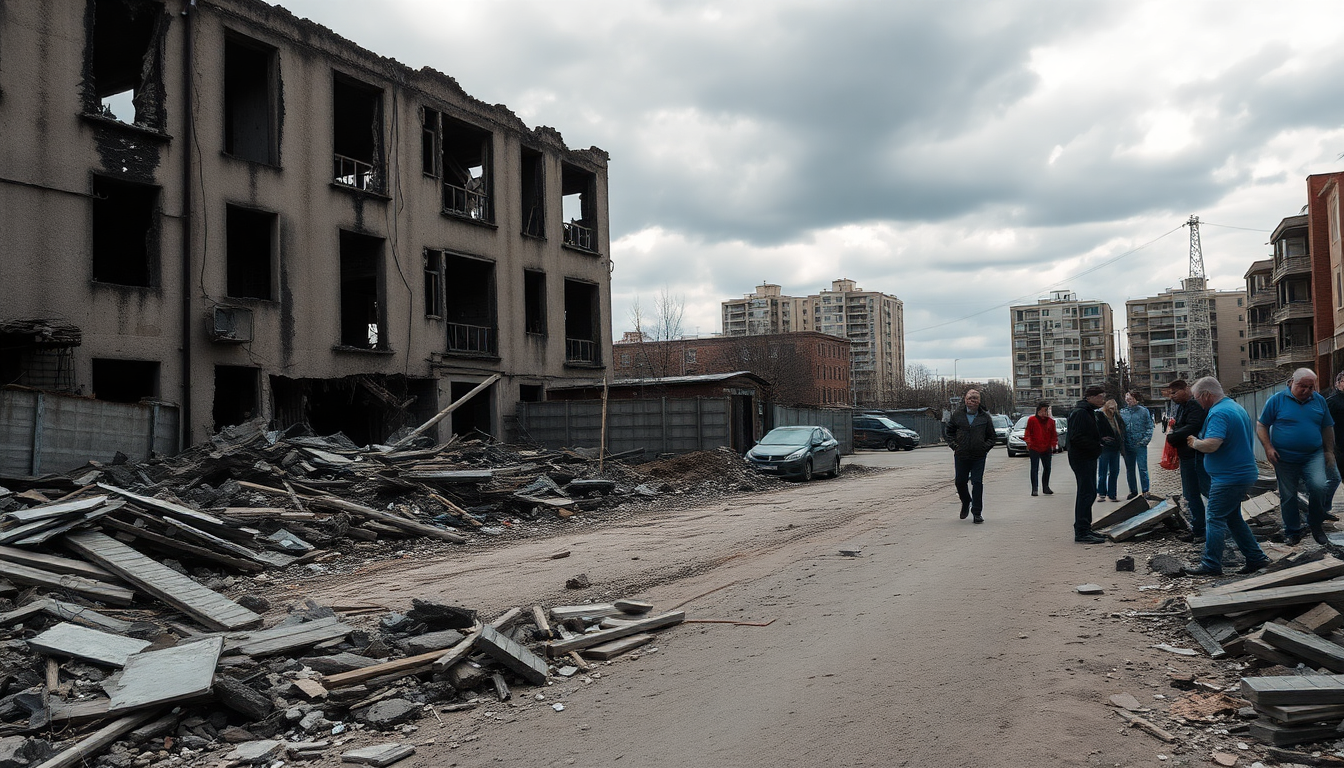
The ongoing conflict in Ukraine is still making headlines, especially as talks about the country’s recovery gain traction in international diplomacy. Recently, the German Chancellor addressed rebuilding efforts in Rome, while on the ground, the situation remains tough. With Russia ramping up its military actions, we can’t help but wonder: what does this mean for the future of the conflict and the role of international allies?
Escalating Conflict and Its Diplomatic Implications
As military actions intensify, diplomatic challenges are multiplying. The Ukrainian ambassador to Germany, Oleksii Makeiev, has been vocal in urging the German government to ramp up support with additional Patriot missile systems and apply more pressure on Russia. These calls for increased military aid come against a backdrop of complex negotiations, particularly concerning Germany’s somewhat rigid stance on the Taurus missile systems. Isn’t it concerning how these core issues often get overshadowed in broader discussions about the conflict?
Additionally, Germany’s political landscape is witnessing significant transformations. With a crucial investment package about to be voted on in the Bundesrat, billions in funding are at stake. This package aims to support municipalities and provide bonus payments to states, showcasing the government’s commitment to economic recovery amidst political maneuvering. However, the timing of these discussions, amid the ongoing Ukrainian crisis, reveals just how interconnected domestic policies are with international responsibilities.
Domestic Politics and Financial Implications
In domestic politics, leaders are grappling with the challenge of balancing hefty financial commitments while addressing urgent international crises. The upcoming vote on the investment booster highlights the high stakes involved in political decision-making. Analysts are closely watching how these financial choices will impact local economies and, crucially, Germany’s global standing, especially concerning its support for Ukraine.
Interestingly, while the government is dealing with these pressing matters, some political figures have chosen to take a break from the summer session. This decision raises eyebrows about the disconnect between political urgency and personal agendas. Are our leaders truly committed to addressing the urgent needs of their constituents and international allies?
The Media’s Role in Shaping Public Perception
In this complex scenario, media outlets are essential in keeping the public informed. The Berlin Playbook podcast, for instance, provides daily updates on political developments in a straightforward format. Hosts like Gordon Repinski work hard to break down the intricacies of the situation, offering insights that help listeners grasp the broader implications of the ongoing conflict.
As the situation in Ukraine continues to evolve, the interplay between military actions, diplomatic efforts, and domestic political maneuvering remains crucial. The outcomes of these dynamics will not only shape Ukraine’s future but also have significant repercussions for international relations and security in the region. What do you think the next steps should be for the global community?


