
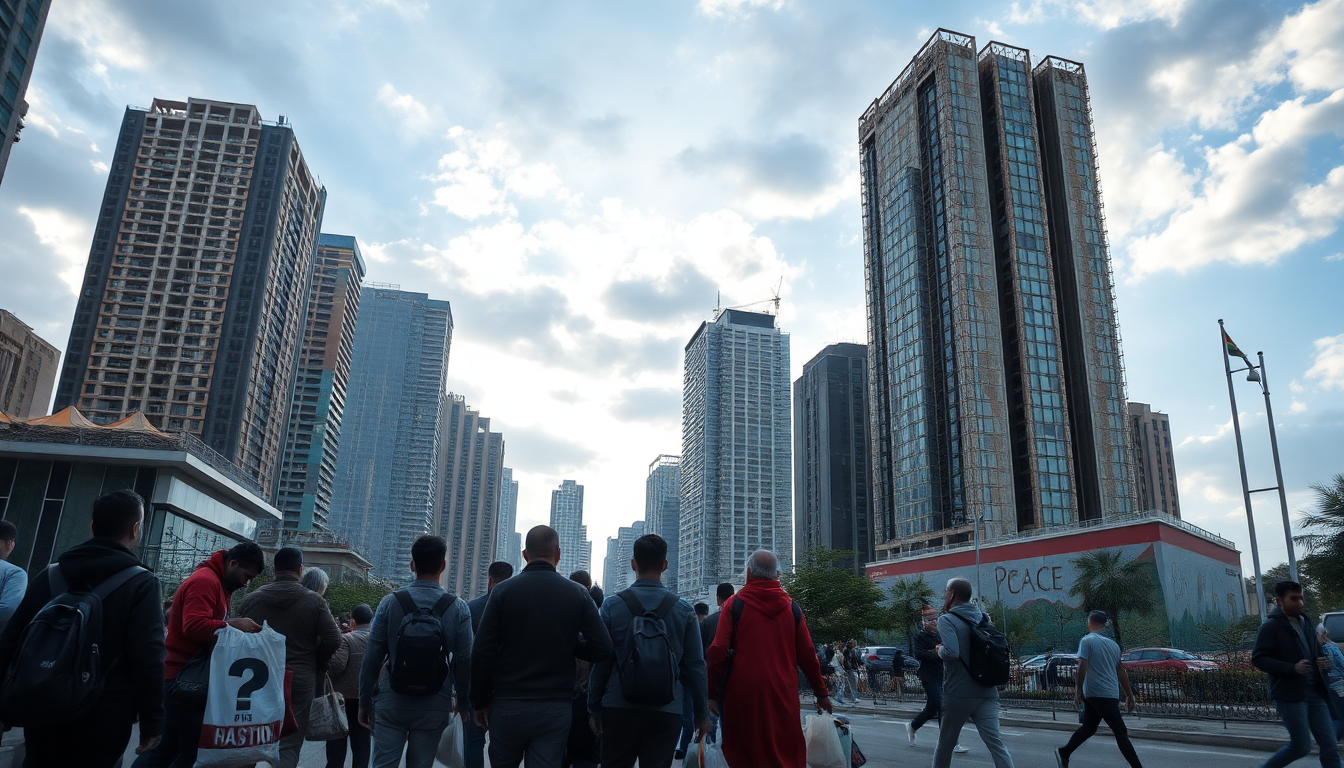
In our rapidly changing world, the impact of geopolitical tensions is felt far beyond borders, influencing everything from international relations to local policies. As countries wrestle with the realities of conflict, grasping the underlying stories becomes essential. This article takes a closer look at the current state of global conflicts, exploring the complex dynamics at play and possible routes toward resolution.
Current Landscape of Global Conflicts
When we consider the ongoing conflicts around the globe, it’s important to remember the historical contexts that have shaped these tensions. From the Middle East to Eastern Europe, every region has its own unique mix of history, culture, and political strife. Take the Israeli-Palestinian conflict, for example; it continues to be a focal point in global discussions, with recent news reigniting debates about statehood and sovereignty.
The latest announcements concerning Palestinian statehood have triggered conversations across various platforms, shining a spotlight on the complexities of achieving lasting peace. Meanwhile, responses from world powers like the UK and France demonstrate the intricate dance of international diplomacy, where each decision carries significant implications. Understanding these dynamics is crucial if we want to grasp the broader consequences of these conflicts.
Humanitarian Perspectives and Global Responses
The human toll of conflict is staggering. Reports from areas like Gaza highlight the desperate situations faced by civilians. With resources running low, mothers often find themselves making impossible choices to keep their children safe. These stories of struggle and resilience underscore the urgent need for humanitarian intervention and support.
Responses from around the world vary significantly, with some nations pushing for immediate action while others take a more measured stance. The real challenge lies in balancing the urgent need for humanitarian aid with the political nuances that often complicate these situations. As countries maneuver through these turbulent waters, it’s vital that the voices of those most affected remain central to the conversation.
Pathways to Resolution and Future Outlook
As we look ahead, the road to resolution is undoubtedly challenging, but there are still chances for dialogue and understanding. Engaging in meaningful conversations about conflict resolution is key to nurturing peace. Initiatives aimed at fostering reconciliation and collaboration among conflicting parties can lay the groundwork for lasting solutions.
Moreover, global cooperation is essential in tackling the root causes of conflict. By investing in diplomacy, economic development, and social programs, nations can work together to address the factors that breed unrest. As we consider the current state of global conflicts, it’s crucial to embrace a multi-faceted approach that prioritizes both immediate relief and long-term stability.


