
Table of Contents
Protests in Iran signal a call for change
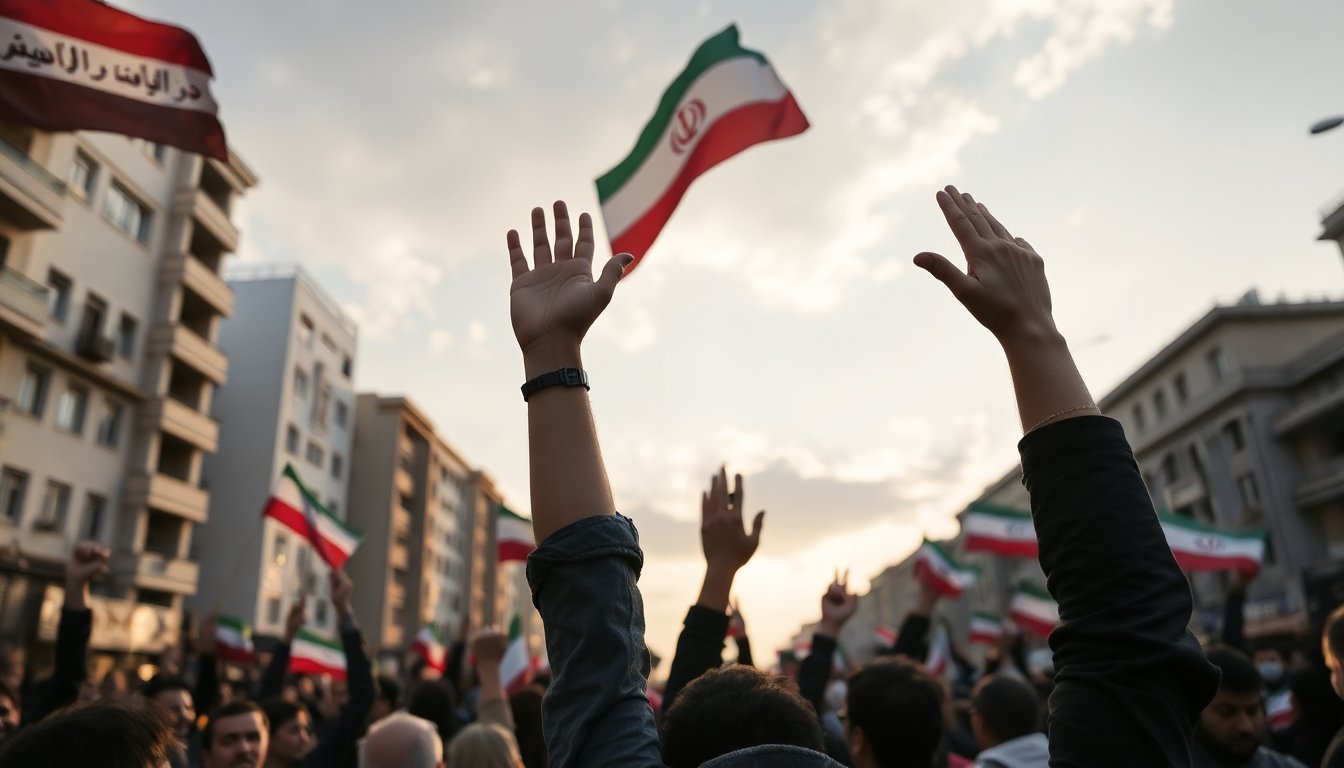
The streets of Iran have transformed into a battleground for change, as protests erupt nationwide against the theocratic regime established since the 1979 Islamic Revolution. Demonstrations, which began on December 28, have rapidly escalated from local grievances over inflation to widespread demands for governmental accountability and reform.
With over 500 casualties reported by rights organizations, the situation has garnered international attention. This has led to warnings of potential military action from the United States. In response, Iran has issued threats of retaliation against any external interference, intensifying the already fraught atmosphere surrounding the crisis.
Roots of the unrest
The protests began due to the rising cost of living, primarily driven by inflation impacting essential goods. A report by BBC’s chief international correspondent, Lyse Doucet, highlighted that shopkeepers in Tehran have been closing their doors as the national currency, the rial, continues to lose value. This economic instability has rendered basic necessities, such as meat and cooking oil, increasingly unaffordable or completely unavailable.
Economic turmoil deepens
The economic crisis has intensified following a recent conflict involving Israel, during which the U.S. bombed Iranian nuclear sites. After the United Nations imposed renewed sanctions in September, Iran’s currency plummeted, trading at over 1.4 million IRR to $1. The central bank’s decision to adjust exchange rates further strained the economy, resulting in rising fuel prices that have hit the population hard.
From economic protests to political demands
The protests evolved from a response to economic struggles into a significant challenge to the theocratic leadership. Demonstrators began chanting slogans that called for an end to the regime, reflecting feelings similar to those seen in past protests following the death of 22-year-old Mahsa Amini in police custody. This transformation underscores a growing dissatisfaction with not just economic conditions but also the government’s authoritarian practices.
The scale and response to the protests
Reports indicate that over 580 protests have erupted across all 31 provinces in Iran. Participation spans various segments of society, including the historically influential merchant class. The Human Rights Activists News Agency (HRANA) has documented a rising death toll, now at least 544 fatalities, along with thousands of arrests.
Government crackdown
In response, the Iranian government has implemented severe measures, including internet blackouts and violent crackdowns on demonstrators. Judiciary officials have warned of harsh penalties, labeling protestors as enemies of the state. Amnesty International reports that security forces have employed lethal means against civilians, raising significant concerns about human rights violations.
International implications
The unrest in Iran has captured significant attention beyond its borders. U.S. officials, including former President Donald Trump, have issued stern warnings to Iran regarding violent crackdowns on protesters. They suggest that military action could be a possibility if the situation deteriorates further. In response, Iran’s parliament speaker has issued a cautionary statement to the United States, warning against any miscalculations. He emphasized that an attack on Iran would prompt retaliation against U.S. allies in the region.
Looking ahead
The future of the Iranian government remains uncertain, despite significant pressure. Although recent protests are among the largest in years, there are no clear signs of fractures within the clerical leadership or security forces that could point to an imminent regime change. Analysts indicate that while the regime may appear weakened, its established structures have historically endured similar crises.
This wave of protests marks a pivotal moment for the Iranian people, who have experienced numerous cycles of oppression and resistance. Activists argue that the current atmosphere of defiance could spark a transformative political shift, as citizens increasingly refuse to remain silent. As Parmida Barez, an Iranian Canadian writer and activist, remarked, “The veil of fear has lifted.”