
Table of Contents
The recent actions of the Trump administration in Latin America indicate a significant shift in U.S. foreign policy, particularly regarding drug cartels and military intervention. Ongoing debates in Congress about the legality and implications of these military strikes draw comparisons to past U.S. interventions in the region.
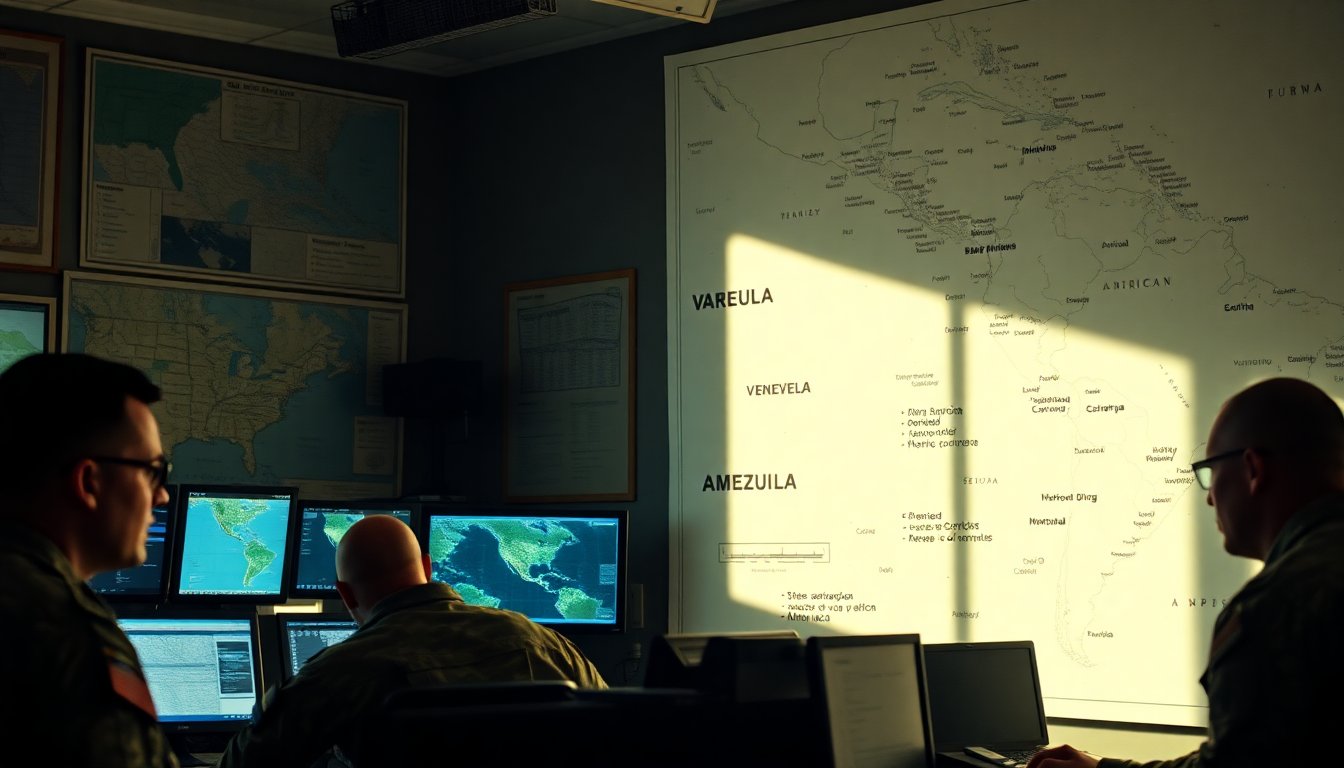
As military operations increase against Venezuelan leadership and Mexican drug cartels, concerns arise regarding compliance with the War Powers Resolution. This legislation requires the president to seek congressional approval for military actions lasting longer than 60 days; however, the administration argues that these strikes are exempt from this requirement.
Understanding the War Powers Resolution
The War Powers Resolution, enacted in 1973, aims to ensure that Congress maintains its constitutional role in authorizing military engagements. The law stipulates that the president must report to Congress within 48 hours of initiating military action and must cease hostilities within a 60-day timeframe unless Congress grants approval. Recent actions by the Trump administration challenge this framework.
Legal interpretations and military actions
A recent statement from a senior lawyer in the Trump administration indicated that the War Powers Resolution does not apply to military strikes targeting drug cartels. This assertion raises important legal questions and reflects a broader trend within the administration to expand executive authority in military matters. Critics argue that such a position undermines the principle of checks and balances vital to American governance.
Since the initiation of these military strikes, the administration has conducted numerous operations against vessels in the Caribbean and Pacific, leading to significant casualties. The justification for these actions often relies on classifying drug cartels as terrorist organizations, a designation that allows for a more aggressive military stance.
Resurgence of U.S. interventionism
President Trump’s approach echoes historical U.S. interventionism in Latin America, reminiscent of the Monroe Doctrine. His administration appears to adopt a hardline stance, demanding compliance from regional leaders while threatening tariffs and military actions against those who oppose U.S. policies.
Responses from Latin American leaders
Many leaders in Latin America are navigating a complex landscape, attempting to align with Trump’s administration while protecting their national interests. Colombian President Gustavo Petro has emerged as a vocal critic of U.S. military operations, accusing the Trump administration of escalating tensions and endangering lives, including innocent fishermen caught in the conflict.
In response to Petro’s criticisms, Trump labeled him as an “illegal drug leader” and threatened to cut U.S. aid to Colombia, highlighting the transactional nature of the current administration’s foreign policy. This approach leaves many leaders in the region uncertain about their standing with the U.S. and how best to engage with a president known for unpredictable decision-making.
Comparisons to past U.S. interventions
Historically, U.S. interventions in Latin America have ranged from direct military action to covert operations aimed at regime change. The Trump administration’s rhetoric surrounding Venezuela, particularly its portrayal of President Nicolás Maduro as a drug kingpin, mirrors past narratives used to justify military action, such as the invasion of Panama in 1989. However, the scale of potential intervention in Venezuela presents unique challenges, given its vast territory and population.
While some advocate for military action to combat drug trafficking, critics argue that addressing the root causes of addiction in the U.S. should take precedence. The history of U.S. foreign policy in Latin America suggests that military interventions often lead to unintended consequences, further complicating regional dynamics.
As military operations increase against Venezuelan leadership and Mexican drug cartels, concerns arise regarding compliance with the War Powers Resolution. This legislation requires the president to seek congressional approval for military actions lasting longer than 60 days; however, the administration argues that these strikes are exempt from this requirement.0