
Table of Contents
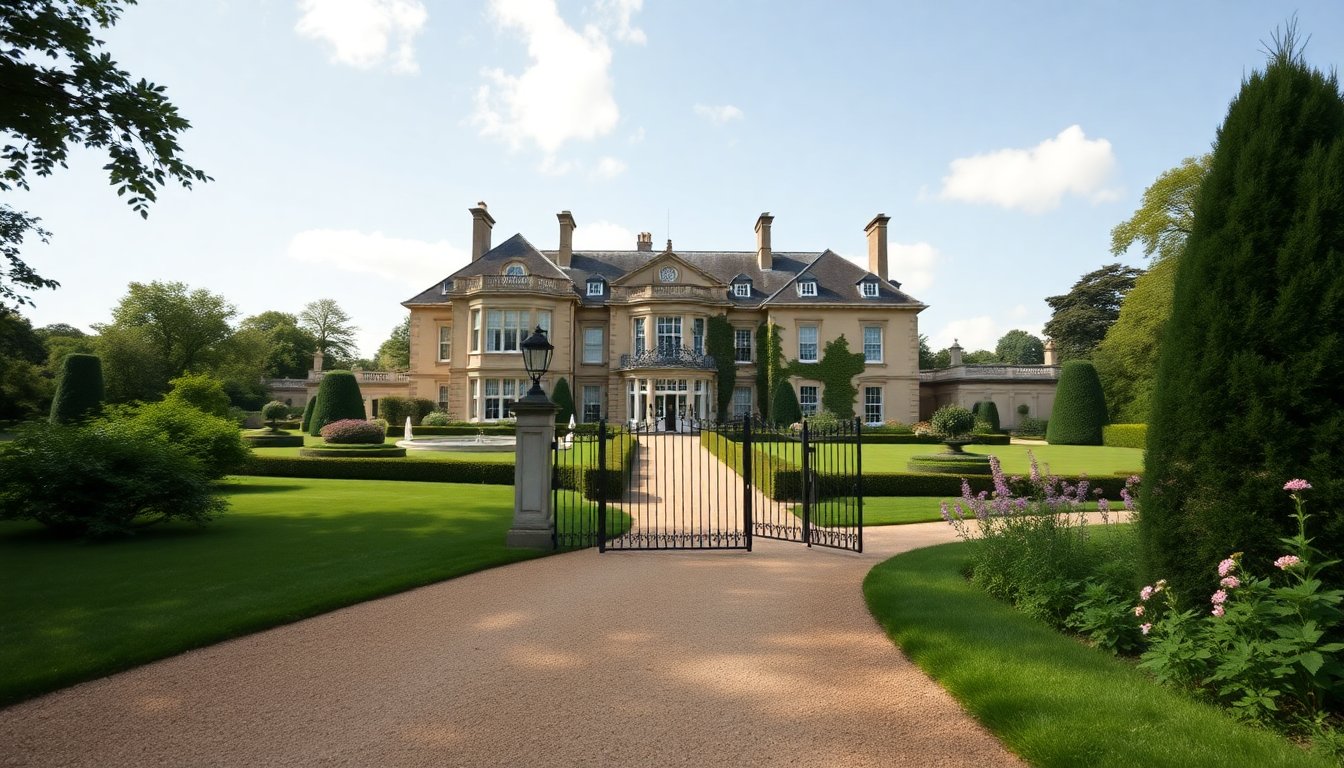
In a significant shift, Andrew Mountbatten-Windsor, previously known as Prince Andrew, has vacated his long-time residence at Royal Lodge, located near Windsor Castle. This unexpected move comes in light of newly released documents from an ongoing investigation into the late financier Jeffrey Epstein, which have reignited discussions about Andrew’s associations with the convicted sex offender.
Background of the relocation
Having lived at Royal Lodge for more than two decades, Andrew’s departure was anticipated to occur in the spring. However, Buckingham Palace announced in October that he would need to vacate the premises sooner than expected. The urgency of this transition intensified after Thames Valley Police confirmed they were looking into allegations that Epstein had facilitated an encounter between Andrew and another woman in.
Details of the allegations
The allegations surrounding Andrew are separate from those made by Virginia Giuffre, who accused him of sexual abuse when she was just 17 years old. Giuffre tragically passed away last year, but her claims have cast a long shadow over Andrew’s reputation. The new allegations involve an accusation that Epstein arranged for a woman to travel to the UK specifically for an encounter with Andrew at Royal Lodge.
Consequence of royal titles and public pressure
As the scandal continues to unfold, Andrew Mountbatten-Windsor faces mounting pressure from both the public and lawmakers. In an effort to distance the royal family from his controversies, King Charles III formally removed Andrew’s royal titles last year, leading to his current designation as Andrew Mountbatten-Windsor. The former prince’s residence was already a point of contention, as Charles sought to downsize his brother’s living arrangements to a more modest property on the Windsor estate.
Mountbatten-Windsor’s lease on the Royal Lodge, which runs until 2078, has also been criticized for its favorable terms, prompting calls for a reassessment of how royal properties are managed. In contrast, Sandringham Estate, where he has relocated, is the personal property of King Charles III, further emphasizing the disconnect between the royal family’s public image and the controversies surrounding Andrew.
Implications for the royal family
The fallout from Andrew’s associations with Epstein has not only tarnished his own reputation but has also put the monarchy under scrutiny. The release of over three million pages of documents from the U.S. Department of Justice has further complicated matters, with mentions of Andrew in correspondence linked to Epstein. These documents detail attempts by Epstein to arrange social interactions for Andrew, including offering a dinner invitation to Buckingham Palace, which raises eyebrows regarding the nature of their relationship.
The challenge of providing testimony
As the investigations proceed, there are increasing calls for Andrew to provide testimony regarding his interactions with Epstein and the implications of those relationships. Legal experts suggest that Andrew is unlikely to comply willingly, citing the disastrous outcome of his previous interview with the BBC, where he failed to effectively address his connections with Epstein. This has led to widespread public ridicule and a significant loss of credibility.
Attorney Gloria Allred, representing numerous Epstein victims, has emphasized the importance of Andrew’s testimony in understanding the broader context of Epstein’s network. She argues that Andrew may possess information crucial for uncovering the extent of Epstein’s influence on powerful individuals and for aiding the ongoing investigations into his crimes.
Legal complexities ahead
Despite the pressure to testify, Andrew Mountbatten-Windsor may choose to remain silent. Legal analysts suggest that he could invoke his right against self-incrimination, making it difficult for U.S. authorities to compel his appearance before Congress. Previous negotiations between Andrew’s legal team and federal prosecutors have failed to yield results, leading to a stalemate in securing his cooperation.
Ultimately, the ramifications of Andrew’s connections to Epstein will likely continue to unfold, affecting not just his personal life, but also the royal family’s standing in the eyes of the public. As investigations continue, the story of Andrew Mountbatten-Windsor serves as a cautionary tale about the intersection of privilege and accountability.