
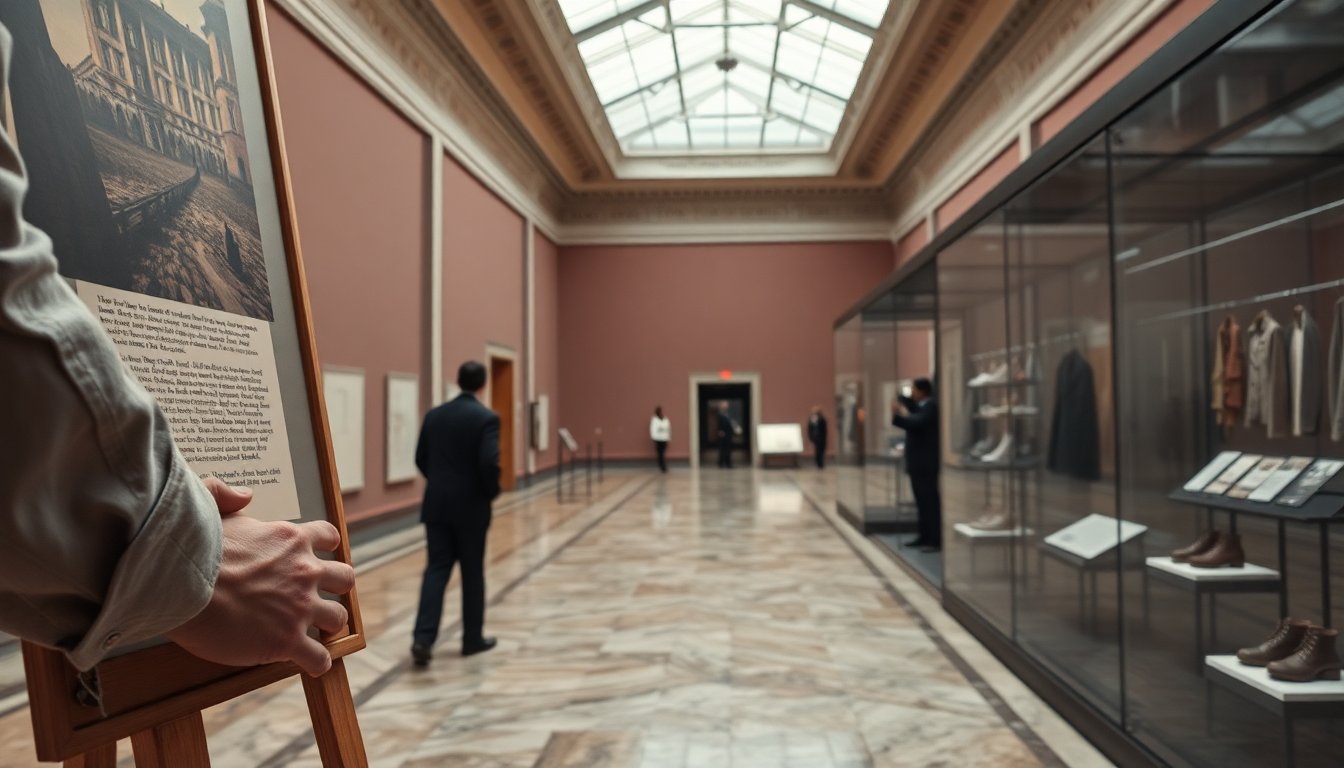
Who’s involved: national museums and galleries, local community groups—and law enforcement. What’s happening: a wave of spring exhibitions about identity and late-career reinvention is coinciding with an active police probe involving Andrew Mountbatten‑Windsor. Where: across major cultural institutions and neighborhood venues. When: this spring. Why it matters: headline-making art programs and the inquiry have together captured public attention, shaping conversations about culture, memory and accountability.
A quick snapshot
In recent days the cultural calendar has been unusually busy. Museums are opening ambitious shows that celebrate selfhood, joy and artistic second acts. At the same time, multiple outlets are reporting on a police investigation connected to Andrew Mountbatten‑Windsor. Neighborhoods, meanwhile, are buzzing with free screenings, concerts, wellness meetups and volunteer cleanups—small-scale events that turn cultural programming into everyday civic life.
Art and identity: reinvention, pleasure and archives
Across the country, curators are centering individual experience. Exhibitions pair veteran artists with younger voices to stage conversations about continuity, change and the messy realities that shape identity—race, gender, place and personal history all feature prominently. Many shows favor color, texture and an upbeat mood: exuberant palettes and confident forms signal recuperation and delight after long stretches of institutional solemnity.
A noticeable thread is late-career reinvention. Some artists are revisiting techniques and motifs from earlier work; others are reimagining legacy through collaboration with community archives and local storytellers. Museums are mining overlooked collections and neighborhood histories to broaden the narratives on display, so exhibitions feel less like sealed statements and more like invitations to participate.
Why this matters
These programs do more than hang pictures on walls. They reorient attention from institutions to lived cultural practice—spotlighting how communities sustain, adapt and celebrate artistic traditions. Many museums now extend gallery life into workshops, talks and partnerships that carry exhibition themes into the streets, libraries and community centers that host everyday cultural exchanges.
Ground-level culture: how neighborhoods respond
Local listings reveal a complementary trend: grassroots, low-cost events that lower barriers to participation. Think documentary nights in public libraries, block concerts by volunteer ensembles, outdoor yoga sessions led by collectives, and resident-organized park cleanups. Those activities turn spectators into participants and thread institutional conversations about memory into daily routines.
Examples from community programs:
– Public-library screenings foregrounding Black cultural histories.
– Informal music series ranging from folk revivals to tango nights.
– Monthly wellness circles that blend breathwork and sound.
– Neighborhood cleanups and parent-support groups framed as civic care.
The ongoing investigation: what’s public
National and international headlines continue to follow the police inquiry involving Andrew Mountbatten‑Windsor. Reported actions include searches of current and former residences, among them properties associated with the Sandringham estate and the Royal Lodge grounds. Authorities have described the probe as relating to alleged misconduct in public office. He has been questioned and released; no charges have been brought.
What officials say and what it means
Investigators are reviewing documents linked to official visits and trade-related activity. Legal observers point out that proving “misconduct in public office” is complex: prosecutors must show a person held a recognized public role and deliberately abused it. That high bar makes the legal path uncertain and slow-moving. The royal household has emphasized cooperation with the rule of law while continuing routine duties.
Why this resonates beyond the courtroom
The inquiry’s high profile has fueled a broader public debate about privilege, accountability and where the line between private life and public duty should lie. The arrest and formal questioning of a prominent royal figure are historically striking events that naturally ripple through public discourse and media coverage.
A quick snapshot
In recent days the cultural calendar has been unusually busy. Museums are opening ambitious shows that celebrate selfhood, joy and artistic second acts. At the same time, multiple outlets are reporting on a police investigation connected to Andrew Mountbatten‑Windsor. Neighborhoods, meanwhile, are buzzing with free screenings, concerts, wellness meetups and volunteer cleanups—small-scale events that turn cultural programming into everyday civic life.0
A quick snapshot
In recent days the cultural calendar has been unusually busy. Museums are opening ambitious shows that celebrate selfhood, joy and artistic second acts. At the same time, multiple outlets are reporting on a police investigation connected to Andrew Mountbatten‑Windsor. Neighborhoods, meanwhile, are buzzing with free screenings, concerts, wellness meetups and volunteer cleanups—small-scale events that turn cultural programming into everyday civic life.1
A quick snapshot
In recent days the cultural calendar has been unusually busy. Museums are opening ambitious shows that celebrate selfhood, joy and artistic second acts. At the same time, multiple outlets are reporting on a police investigation connected to Andrew Mountbatten‑Windsor. Neighborhoods, meanwhile, are buzzing with free screenings, concerts, wellness meetups and volunteer cleanups—small-scale events that turn cultural programming into everyday civic life.2