
Table of Contents
As of March 17, 2026, a supply shock originating in the Middle East has forced many Asian governments to alter everyday routines and national energy plans. The partial closure of the Strait of Hormuz and attacks on regional shipping and infrastructure have squeezed crude flows, pushing prices higher and prompting measures ranging from temporary holidays to the release of strategic oil reserves. Policymakers are reacting on two fronts: demand reduction at home and supply adjustments through emergency stock releases and pipeline rerouting.
The crisis has not been uniform across the region: some countries are pursuing behavioural nudges, others are imposing limits on sales, and a few are reshaping export channels to keep crude moving. The situation combines immediate logistical disruptions with deeper market anxieties: analysts warn that shuttered fields and damaged facilities could prolong tight supplies even if the transit route reopens. Governments and companies therefore aim to both conserve fuel now and create breathing space in the physical supply chain.
Demand-side steps: changing how people work and live
Several governments have adopted short-term changes to reduce consumption. In Sri Lanka the central administration declared a weekly Wednesday public holiday for state employees and asked many staff to work from home where possible, while the country also introduced a fuel rationing system that limits purchases. The Philippines has shortened office weeks to curb fuel use and aims to cut government energy consumption by a fifth, encouraging simple operational changes such as powering down computers during breaks. Vietnam likewise has urged more telecommuting to reduce commuting fuel demand.
Sri Lanka and the national fuel pass
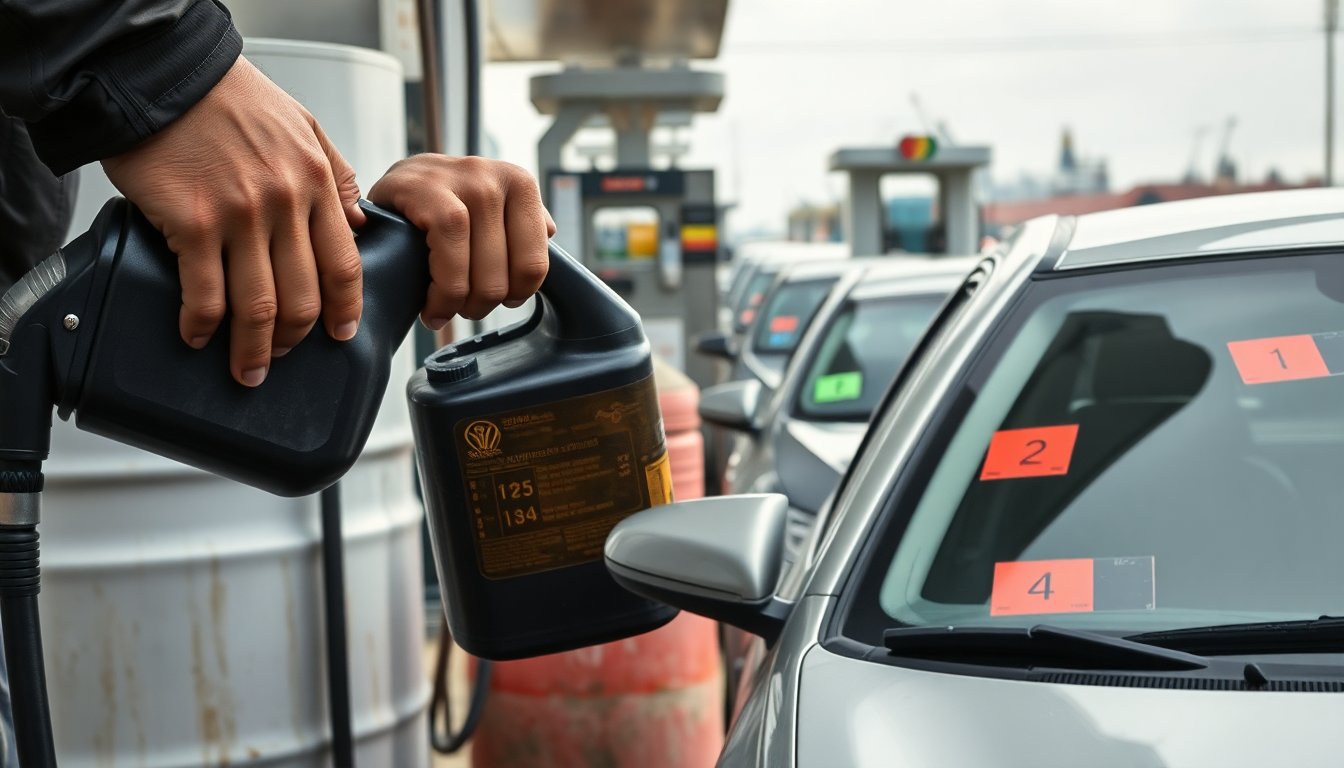
Sri Lanka’s approach combines behaviour change with strict allocation: drivers must register for a National Fuel Pass and fuel purchases are capped at 15 litres per person per week for gasoline and diesel. The measure is a blunt tool designed to stretch dwindling imports and ensure essential services continue to operate. While the holiday reduces weekday traffic and office energy use, leaders stress these are emergency steps rather than long-term policy shifts.
Practical office rules and comfort trade-offs
Thailand has focused on lowering electricity demand at public offices: employees have been encouraged to use stairs instead of elevators, to avoid heavy suits and to wear short-sleeved shirts, and to set building air conditioning no lower than 26 C. Authorities also opened cooling centres and water refill stations to help residents cope with heat without turning private air conditioners to maximum. These measures show how energy policy can intersect with public comfort and health considerations during crisis management.
Supply management: rationing, subsidies and stock releases
On the supply side, India has prioritized household needs for liquefied petroleum gas (LPG), subsidizing costs to shield poorer households and limiting impacts on kitchens; the shortage has already forced some restaurants to reduce menus or temporarily close. Meanwhile, Japan and South Korea have moved to release government-held crude as part of a coordinated international effort to calm markets: South Korea committed to releasing tens of millions of barrels and Japan opened around 45 days’ worth of oil from its reserves. These releases are intended to blunt price spikes while transport routes and production normalise.
Pipeline reroutes, shut-ins and storage pressures
Beyond public measures, producers have scrambled to bypass the sea route with pipelines and to load crude at alternative ports. Saudi Arabia, for example, has increased flows to the Red Sea port of Yanbu and the UAE has pumped more to Fujairah. Yet storage capacity is finite: several Gulf producers face only days or weeks of onshore storage before they must consider shut-ins — the deliberate temporary closure of wells. The shut-ins and actual damage to facilities are now a key driver of market volatility because restarting production can be technically complex and slow.
Restart challenges and market outlook
Experts caution that bringing offline fields back to full output can take weeks or months, depending on reservoir conditions and infrastructure damage. A prolonged period of reduced flows would keep global prices elevated, pressuring households and businesses. International coordination on reserve releases can provide temporary relief, but analysts say the main long-term risk is sustained production losses if facilities remain unavailable or if further attacks disrupt logistics. Policymakers must therefore balance immediate conservation with strategic moves to preserve export capacity.
For consumers, the immediate consequences are tangible: rationing, shorter service hours, and higher pump prices. For markets, uncertainty about how long facilities will be shut or how quickly pipelines can absorb redirected volumes means price swings are likely to continue. Governments across Asia are therefore combining behavioural rules, targeted subsidies and strategic reserve management to reduce near-term pain while buying time to stabilise supply chains.