
Table of Contents
The year 2025 is characterized by a series of catastrophic natural disasters that impacted Asia significantly. From devastating earthquakes to relentless typhoons, the continent faced extreme weather events resulting in loss of life and widespread destruction. This article examines the most impactful incidents, emphasizing the human toll and the ongoing challenges faced by affected communities.
Major earthquakes and their aftermath
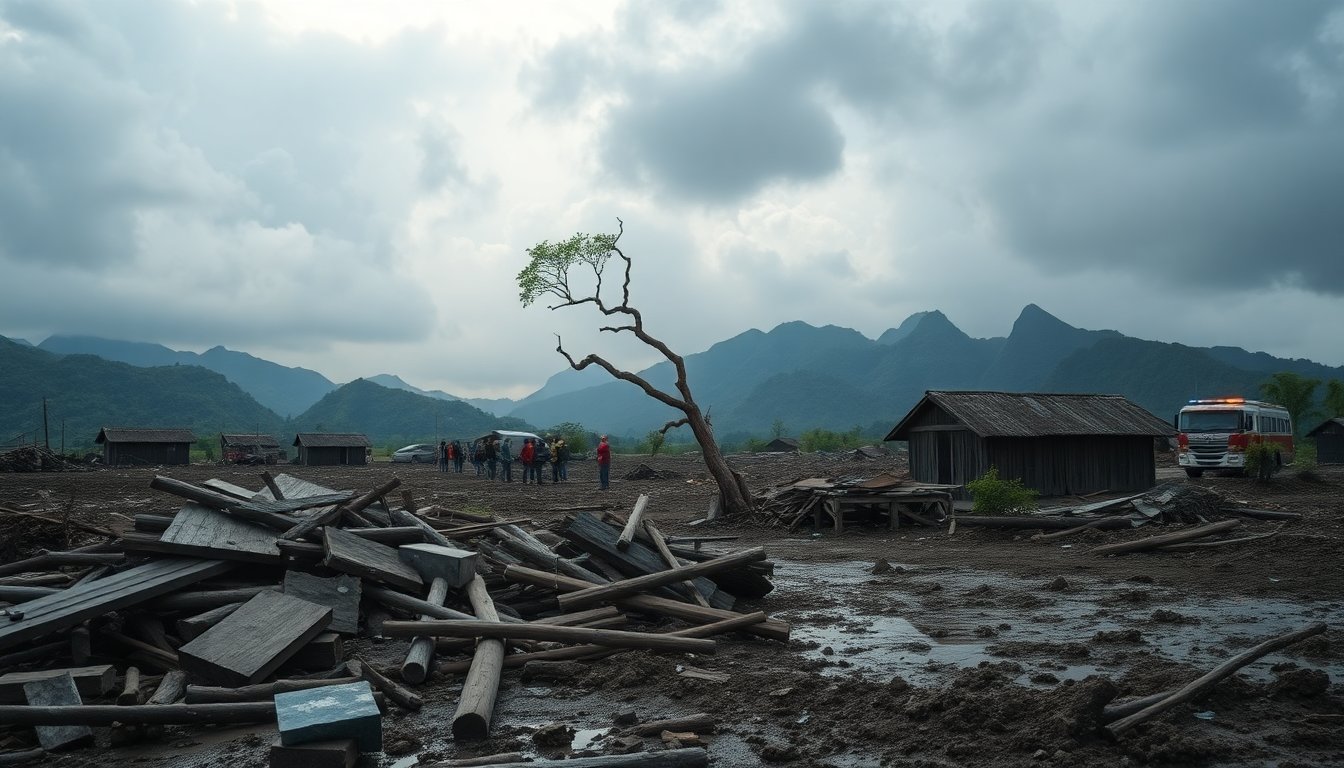
On March 28, a powerful 7.7-magnitude earthquake struck near Mandalay in Myanmar, leaving a profound impact on the region. The death toll exceeded 2,200, with many residents trapped under rubble as rescue teams worked tirelessly to save lives. The quake’s effects extended beyond Myanmar, reaching into Thailand and compounding the tragedy.
Rescue efforts in Myanmar
The response from rescuers in the aftermath of this event was heroic. Armed with limited resources, those on the ground worked tirelessly to remove debris and reach victims. Approximately 17 million people were affected, leading to severe shortages of potable water. More than four million individuals were left without access to clean drinking water, exacerbating the humanitarian crisis.
Other natural disasters in 2025
While the earthquake in Myanmar was particularly devastating, it was not the only disaster to strike Asia that year. In August, a separate quake in Afghanistan’s Kunar province registered a magnitude of 6, claiming around 2,200 lives. Additionally, a significant earthquake in northern Japan on December 8 registered at 7.5, resulting in injuries but fortunately no fatalities, illustrating varied impacts of seismic activity across regions.
Typhoons and flooding
The monsoon season brought further challenges, with severe flooding affecting countries like Pakistan, where heavy rains led to over a thousand deaths. In November, Typhoon Kalmaegi devastated the Philippines, resulting in 250 fatalities. The storm’s destructive path highlighted the increasing volatility of tropical weather systems in a changing climate.
Global context of natural disasters
The year was not only marked by events in Asia but also extreme weather patterns worldwide. Europe experienced its fourth hottest summer on record, with heatwaves resulting in approximately 16,500 deaths, particularly in Spain, where nearly 4,000 lives were lost. In the United States, wildfires ravaged California, with the Palisades fire consuming nearly 9,500 hectares and resulting in over 30 fatalities.
The effects of climate change have heightened vulnerability to natural disasters in many regions. The United Nations has warned that countries in Asia face increased risks. The ongoing cycle of extreme weather events raises concerns about community sustainability and resilience to future catastrophes.
Lessons learned and future outlook
Reflecting on 2025, the need for robust disaster preparedness and response strategies becomes clear. Enhanced early warning systems and international cooperation are crucial in mitigating the effects of such disasters. The tragedies of this year serve as a reminder of the fragility of human life in the face of nature’s power.
The catastrophic events of 2025 have left a lasting impact on Asia, with countless lives affected and communities struggling to rebuild. The challenges posed by climate change and natural disasters necessitate a collective response to safeguard future generations. Learning from these experiences is imperative to foster resilience and preparedness for inevitable future challenges.