
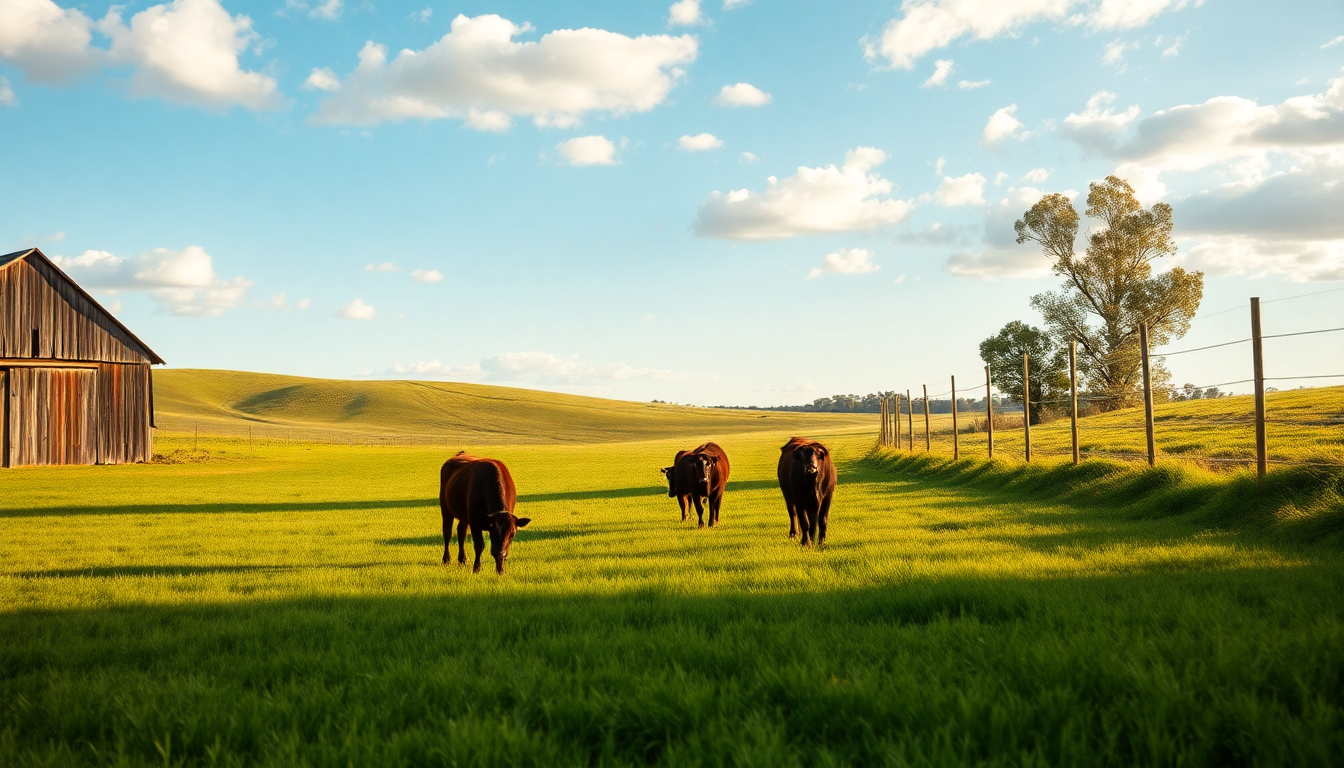
In a significant shift for agricultural policy, Australia has decided to lift the tough restrictions on beef imports from the United States. This decision comes after a thorough assessment that balanced scientific evidence with risk management, ultimately concluding that the risks associated with U.S. beef are well under control. This move not only showcases Australia’s dedication to fair trade practices but also responds to recent criticisms from U.S. officials. But what does this mean for both countries moving forward?
Understanding the Background of Australia’s Beef Import Policies
Australia is famous for its strict biosecurity measures, which are crucial for protecting its agricultural sectors from foreign diseases. Historically, Australian authorities have kept a tight grip on beef imports, disallowing beef from cattle raised in Canada and Mexico, even if they were slaughtered in the U.S. This policy was primarily a reaction to global health scares, notably outbreaks of Bovine Spongiform Encephalopathy (BSE), or mad cow disease. In 2019, Australia lifted a ban on beef from cattle raised and slaughtered in the U.S., but restrictions remained for beef from Canada and Mexico.
The recent announcement marks another step toward easing these restrictions, which have sparked debate, especially after former U.S. President Donald Trump publicly criticized Australia’s policies during his “Liberation Day” speech. He pointed out that Australia had effectively shut out U.S. beef, labeling it as a protectionist move that puts American farmers at a disadvantage in global trade.
Impact on Trade and Market Dynamics
With about 70 percent of Australia’s beef production aimed at export, this policy change carries significant weight. However, it’s essential to remember that the Australian market is largely self-sufficient when it comes to beef, and local consumers have a strong preference for homegrown products. The Australian beef industry has shown resilience, keeping competitive in the face of external pressures and tariffs recently imposed by the U.S.
Government data reveals that Australia exported around 26,000 tonnes of beef and veal to the U.S. in just the first three weeks of July, despite facing a baseline tariff of 10 percent since April. The local beef industry, represented by organizations like Meat & Livestock Australia, asserts that the potential impact of U.S. beef imports will be minimal. The high demand for beef in the U.S., combined with a shrinking U.S. cattle herd and a robust Australian dollar, creates a tough landscape for any significant surge of American beef into the Australian market. Curious about how this will play out in the long run?
Future Market Trends and Opportunities
Looking ahead, the beef trade between the U.S. and Australia is on the brink of change. While lifting the restrictions may open the gates for U.S. beef, the demand for Australian beef in the U.S. keeps rising. In fact, as of June 2025, exports have surged by 24 percent year-over-year. This trend indicates that Australian beef is still a favorite among U.S. consumers, highlighting a strong trading relationship between the two countries.
As the market adapts to these shifts, stakeholders need to keep a close eye on consumer preferences and market conditions. The Australian beef industry is likely to continue capitalizing on its reputation for quality and safety to maintain its competitive edge. Investors and industry players should stay alert to seize emerging opportunities as trade dynamics evolve with policy changes and shifting consumer demands. Who knows what exciting developments are just around the corner?


