
Table of Contents
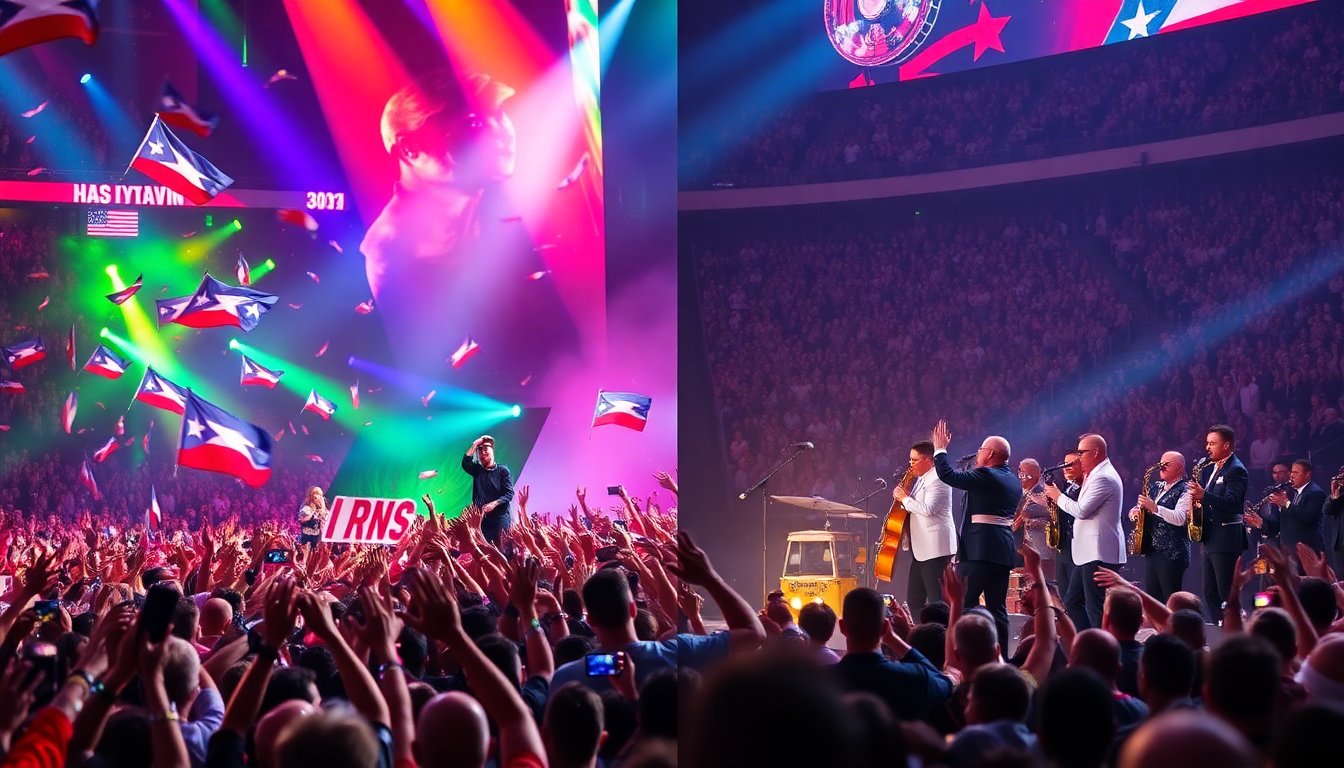
The Super Bowl Halftime Show has consistently served as a platform for elaborate performances and cultural celebration. This year’s event, however, showcased a distinct divide in musical expression. Global sensation Bad Bunny headlined the halftime show, delivering an energetic performance infused with his Puerto Rican roots. In contrast, the conservative alternative, labeled the All-American Halftime Show, struggled to connect with viewers. While millions tuned in to watch Bad Bunny, a smaller audience diverted to the conservative broadcast, attempting to counter what they perceived as an unpatriotic entertainment choice.
What ignited this cultural controversy? The announcement of Bad Bunny’s performance provoked an uproar among certain conservative circles. Critics labeled him as unpatriotic for performing primarily in Spanish, questioning his loyalty to American values. They expressed outrage over his vocal support for the LGBTQ+ community and his criticism of U.S. immigration policies. This backlash culminated in a petition aimed at replacing him, which ultimately failed, leading to the formation of an alternative show by Turning Point USA.
Turning Point’s response to Bad Bunny’s performance
Turning Point, a right-wing organization co-founded by Charlie Kirk, aimed to provide a platform for what they termed an authentic American celebration. Their All-American Halftime Show was promoted as a family-friendly alternative, free of any progressive agenda. Andrew Kolvet, a spokesperson for the organization, stated that the event sought to honor “faith, family, and freedom.” However, despite these ideals, the show felt lackluster and uninspired.
Musical lineup and performance quality
Headlining the conservative event was Kid Rock, a musician known for his controversial views and vocal support for Donald Trump. He opened the show with a performance of his hit song, “Bawitdaba.” While his stage presence initially captured attention, it soon became clear that the energy lacked the vibrancy characteristic of Bad Bunny’s performance. Kid Rock’s set was marred by awkward moments, including a lengthy interlude that left the audience bewildered.
Other performers included Brantley Gilbert, Lee Brice, and Gabby Barrett, who contributed to the country music flavor of the event. However, their performances were met with indifference, failing to evoke the excitement typically associated with such grand occasions. Viewers expressed their discontent through online commentary, filling the chat with bunny emojis, which humorously contrasted with the RNC-lite atmosphere.
Bad Bunny’s electrifying halftime show
In stark contrast, Bad Bunny’s performance was a vibrant spectacle that celebrated cultural diversity and unity. His set featured a mix of high-energy songs and visually stunning elements, encapsulating the essence of being American in today’s society. The visuals alone conveyed a story of resilience and community, showcasing dancers, fireworks, and even a wedding celebration, all of which resonated with a broad audience.
Messages of love and acceptance
As Bad Bunny’s set reached its peak, a message displayed on the massive screens read, “The only thing more powerful than hate is love.” This powerful sentiment encapsulated the spirit of his performance, promoting inclusivity and acceptance. In contrast, the final moments of the Turning Point broadcast were dominated by a push for donations, sharply contrasting with the celebratory atmosphere of Bad Bunny’s show.
The cultural divide highlighted by these two performances underscores ongoing tensions within American society. One event aimed to celebrate the rich tapestry of culture, while the other struggled to find its footing against a backdrop of political outrage and divisive messaging. As the nation grapples with issues of identity and representation, the Super Bowl Halftime Show served as a microcosm of larger societal conversations.
The juxtaposition of Bad Bunny’s dynamic performance and Turning Point USA’s subdued alternative illustrates the complexities of American culture. Bad Bunny’s spirited celebration emphasized the beauty of diversity, while the All-American Halftime Show faltered in its attempt to find a voice amidst growing polarization. As audiences continue seeking authentic connections through music and performance, it is clear where the heart of American entertainment lies.