
Table of Contents
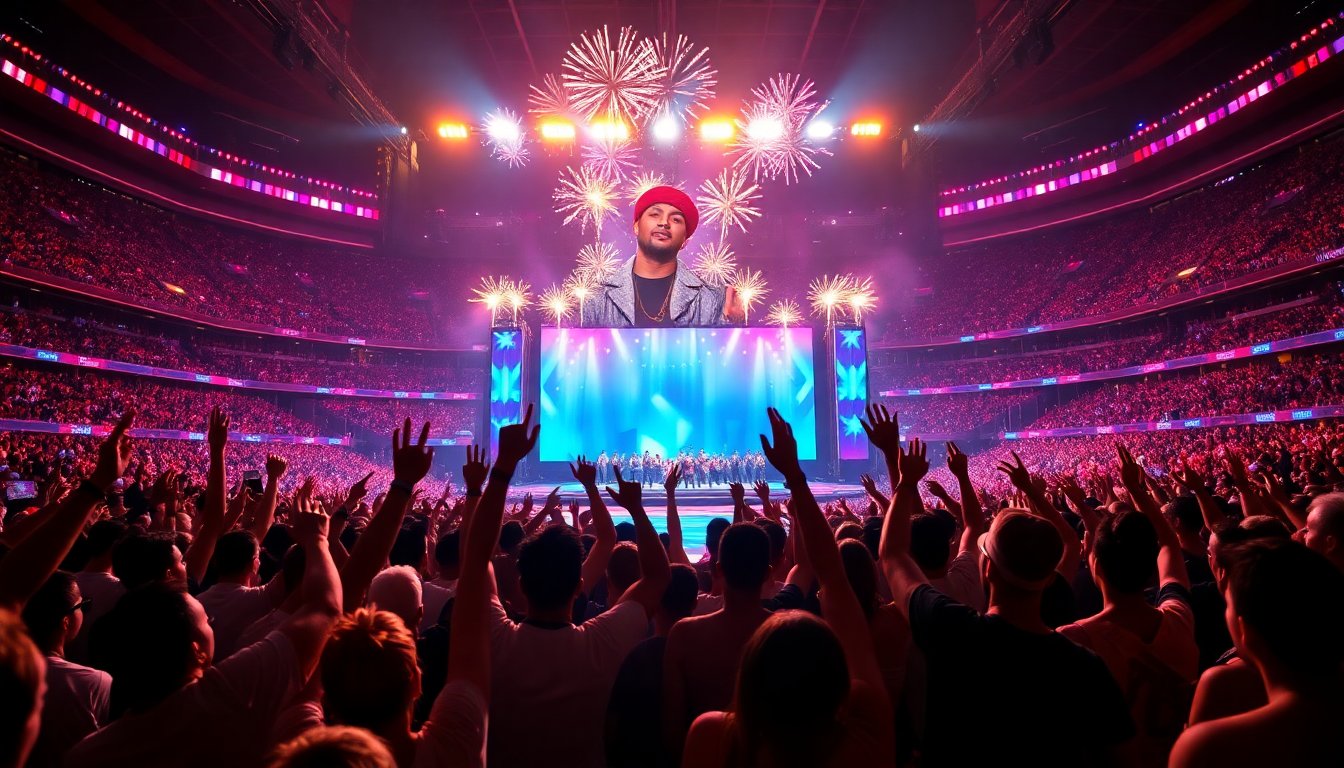
The excitement surroundingBad Bunny’shalftime show at the Super Bowl sparked discussions on cultural representation and audience perception. What was meant to be a unifying performance became a contentious topic among viewers. NFL CommissionerRoger Goodellhad promised a show that would creatively unite people, but the reality proved to be more nuanced. Many, particularly those unfamiliar with Bad Bunny’s work, expressed confusion and criticism regarding the presentation.
Leading up to the event, anticipation grew, fueled by Bad Bunny’s past remarks, including his controversial call during hisSNLappearance for viewers to “learn Spanish.” Although he later retracted that statement, it set the tone for his Super Bowl performance, viewed through the lens of cultural tension.
The performance: a blend of culture and controversy
As the show began, Bad Bunny presented a performance deeply rooted in his Puerto Rican heritage, featuring vibrant scenes such as a sugar cane field and local cultural symbols. He opened with his hit song“Tití Me Preguntó,”immersing viewers in the essence of Puerto Rican life. The transition into a medley of his popular tracks further showcased his musical journey; however, the absence of English lyrics left many spectators feeling disconnected.
Unexpected elements and guest appearances
A standout moment occurred whenLady Gagajoined him on stage for a rendition of“Die With a Smile.”This collaboration served as a rare point of unity, providing a familiar hook for many audience members. However, the show took an unexpected turn whenRicky Martinsang the chorus of“Lo Que Le Pasó a Hawaii,”a song rich with political undertones that stirred further controversy. The lyrics lamented the loss of cultural identity, drawing parallels between Puerto Rico and Hawaii, hinting at deeper socio-political themes.
The backlash: a polarized audience reaction
Despite some positive moments, the Critics argued that the performance appeared to promote a narrative of Puerto Rican independence, a sentiment not widely supported among the island’s population, where only a minority favors full autonomy in recent votes. This led many viewers to question the NFL’s decision to feature an artist whose political views might alienate a significant portion of the American audience.
Marketing strategy or cultural misstep?
The NFL’s choice to invite Bad Bunny was undoubtedly strategic, aiming to leverage his immense popularity in Latin America and the United States. As the league seeks to expand into new markets, featuring a global icon like Bad Bunny made business sense. Yet, this choice raised questions about whether the NFL fully considered the implications for its traditional fan base.
Ultimately, the halftime show concluded with Bad Bunny’s dramatic exit, accompanied by a statement emphasizing the power of love over hate. However, the mixed messages left a lingering sense of confusion. Many viewers interpreted his closing shout of“God Bless America!”as a broader commentary on the Americas rather than a direct homage to the United States, complicating the show’s reception.
Reflection on identity and representation
The aftermath of Bad Bunny’s halftime show underscores the complexities of cultural representation in mainstream events. Instead of fulfilling Goodell’s vision of a joyful celebration, the performance highlighted the ongoing struggles surrounding identity politics in America. As the NFL charts its course toward global expansion, it must carefully consider how its choices resonate with a diverse audience.