
Table of Contents
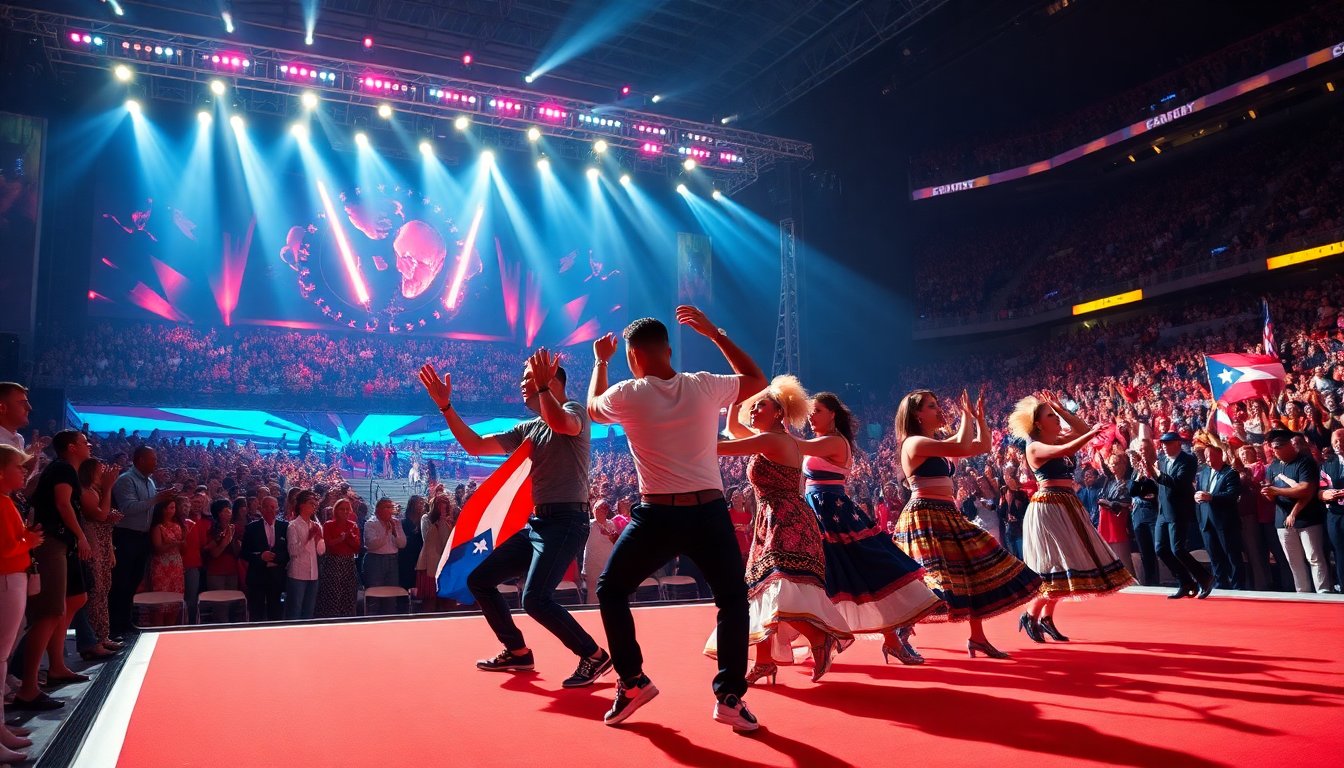
The super bowl halftime show has become a significant platform for showcasing entertainment and addressing societal issues. In 2026, Puerto Rican superstar Bad Bunny took the stage, blending cultural pride with themes of family values. While his performance was expected to ignite discussions on various injustices, it primarily evoked wholesome sentiments akin to some of the sentimental advertisements aired during the event.
This show occurred against the backdrop of America grappling with profound cultural divides, particularly regarding the treatment of immigrants. Bad Bunny, recognized for his vocal criticism of immigration policies, embodies resistance against the prevailing political climate. His selection as a performer for the halftime show was both provocative and timely.
Cultural implications of the performance
Bad Bunny’s halftime show transcended mere entertainment; it was a powerful statement. By performing in Spanish and integrating elements of Puerto Rican culture, he sent a clear message about representation in a predominantly English-speaking event. Advocates for the performance argue that it mirrors the evolving landscape of American music and acknowledges the growing influence of the Latino community.
Public reactions and criticisms
Despite its celebratory nature, the halftime show elicited mixed reactions. Critics, including conservative commentators, expressed concerns that the Super Bowl should cater to a traditional audience, arguing that a Spanish-language performance felt out of place. Some labeled it exclusionary, suggesting it diverged from the event’s historical roots.
Conversely, fans and supporters viewed it as a crucial evolution. They contend that embracing artists from diverse backgrounds enriches the cultural fabric of the Super Bowl. NFL Commissioner Roger Goodell defended Bad Bunny’s selection, emphasizing the importance of unity and creativity that transcends language barriers.
Context of cultural debates
As the nation confronts immigration enforcement policies, particularly under the Trump administration, Bad Bunny’s performance resonated deeply with many. His previous criticisms of ICE (Immigration and Customs Enforcement) and the cancellation of tour dates due to concerns about targeting his fans underscored the real-life implications of these policies. This context made his Super Bowl appearance a focal point in the ongoing dialogue about immigration and representation.
The NFL’s response to concerns
In light of the controversies, the NFL assured that there would be no immigration enforcement at the Super Bowl, alleviating concerns for many attendees, especially those from the Latino community. A memo from the league stated that public safety was a priority, and they coordinated with the Department of Homeland Security to ensure a welcoming environment for all fans.
Within the NFL, player responses varied, with a survey indicating that a slight majority supported Bad Bunny’s inclusion in the show. This reflects a broader acceptance among younger generations who prioritize diversity and representation in media.
A moment of reflection
Ultimately, Bad Bunny’s Super Bowl halftime show was more than a musical performance; it marked a cultural milestone that sparked essential conversations about representation, language, and values in America. As the nation continues to navigate its complex identity, events like the Super Bowl serve as a mirror, reflecting both our progress and the challenges ahead.
In an era where unity is crucial, Bad Bunny’s performance highlights the power of music and representation to bring people together, challenge norms, and foster dialogue. The cultural landscape is evolving, and shows like this one are at the forefront of that transformation.