
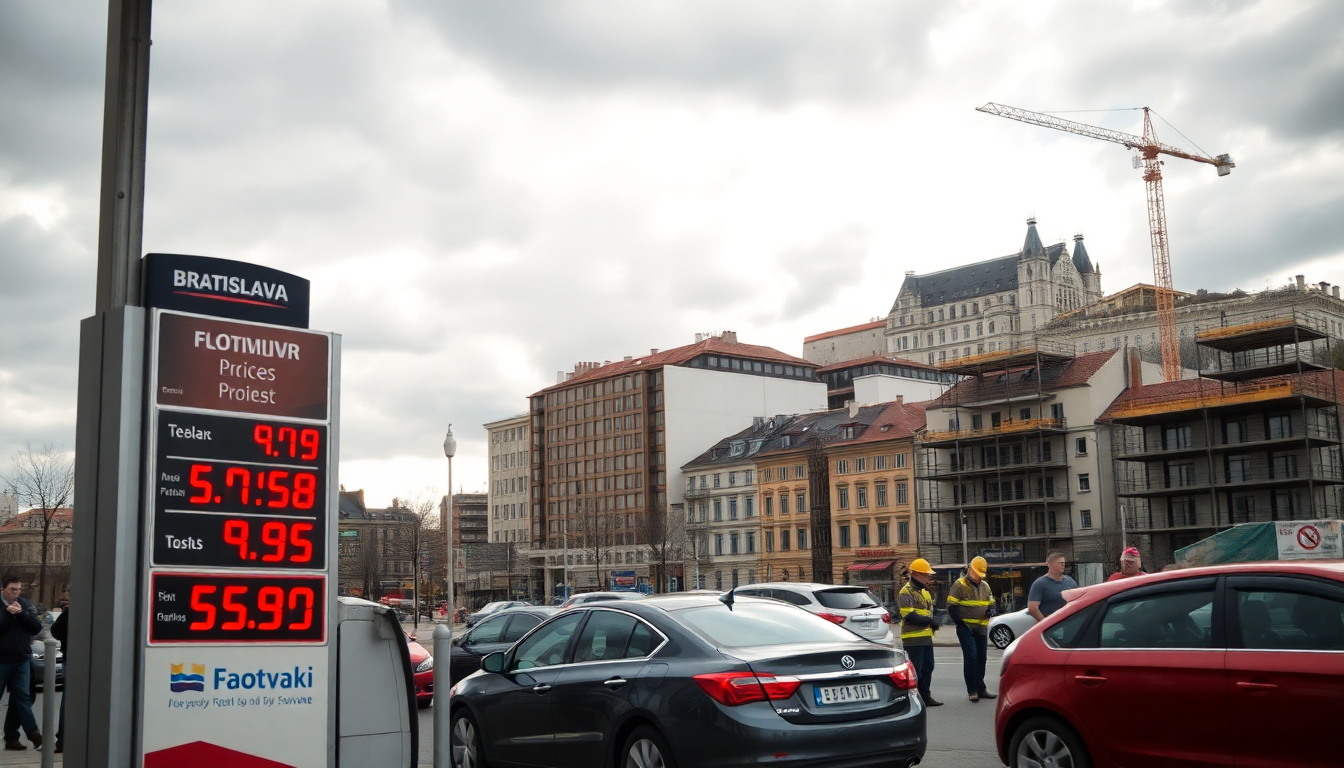
Slovakia is at a pivotal moment as it navigates the European Union’s proposed sanctions package against Russia. The key issue? The potential end of Russian gas imports, which could seriously impact Bratislava’s economic stability. Prime Minister Robert Fico has raised alarms about these concerns, suggesting that while Slovakia might back the sanctions, it needs solid assurances to soften the blow on its economy.
The Economic Stakes of Sanctions
So, why does this matter? Slovakia’s heavy dependence on Russian gas is a major player in its economic game. Right now, a significant chunk of the country’s energy supply comes from Russia, meaning any sudden policy shifts could be quite disruptive. Fico has made it clear that while Slovakia understands the geopolitical stakes, it can’t jeopardize its economic health in the process. The EU’s proposed ban on Russian gas imports, set to take effect in 2028, is raising eyebrows about how it might affect Slovak households and businesses.
To find some common ground, Fico is pushing for political commitments from European partners. He’s looking for guarantees that the financial strain of moving away from Russian gas won’t fall too heavily on Slovakia. This negotiation is crucial—not just for today, but for the country’s long-term strategy as it seeks to diversify its energy sources.
Negotiations and Regional Ties
Recent talks between Fico and leaders from Germany and Poland showcase a collaborative move to tackle these issues head-on. Slovakia is considering various options, such as capping fees for alternative gas supply routes. This approach shows a willingness to adapt while still standing firm for national interests. The urgency to reach a resolution is palpable, especially with Fico emphasizing the need to have things sorted out before the next EU foreign ministers’ meeting.
The backdrop of these negotiations highlights a broader European goal: to reduce reliance on Russian energy amidst ongoing geopolitical tensions. However, Slovakia’s balancing act underscores the complexities of EU politics, where national priorities can sometimes clash with collective action. In many ways, Slovakia’s situation reflects the broader challenges that numerous EU countries face in maintaining regional stability and economic resilience.
Looking Ahead: Slovakia’s Role in the EU
As discussions continue, Slovakia’s future hinges on successful negotiations. If they can strike a deal, it might allow Slovakia to ease its opposition to the sanctions package, enabling the EU to present a united front against Russia. This could also herald a significant change in Europe’s energy landscape as countries work to reshape their energy dependencies.
Looking down the road, Slovakia’s strategic stance will be vital—not just for its own economic future, but for the EU as a whole. How Slovakia navigates this intricate issue could set a benchmark for how other nations tackle similar challenges. Therefore, keeping an eye on these developments is crucial for grasping the shifting dynamics of EU energy policy and its broader effects on regional security.


