
Table of Contents
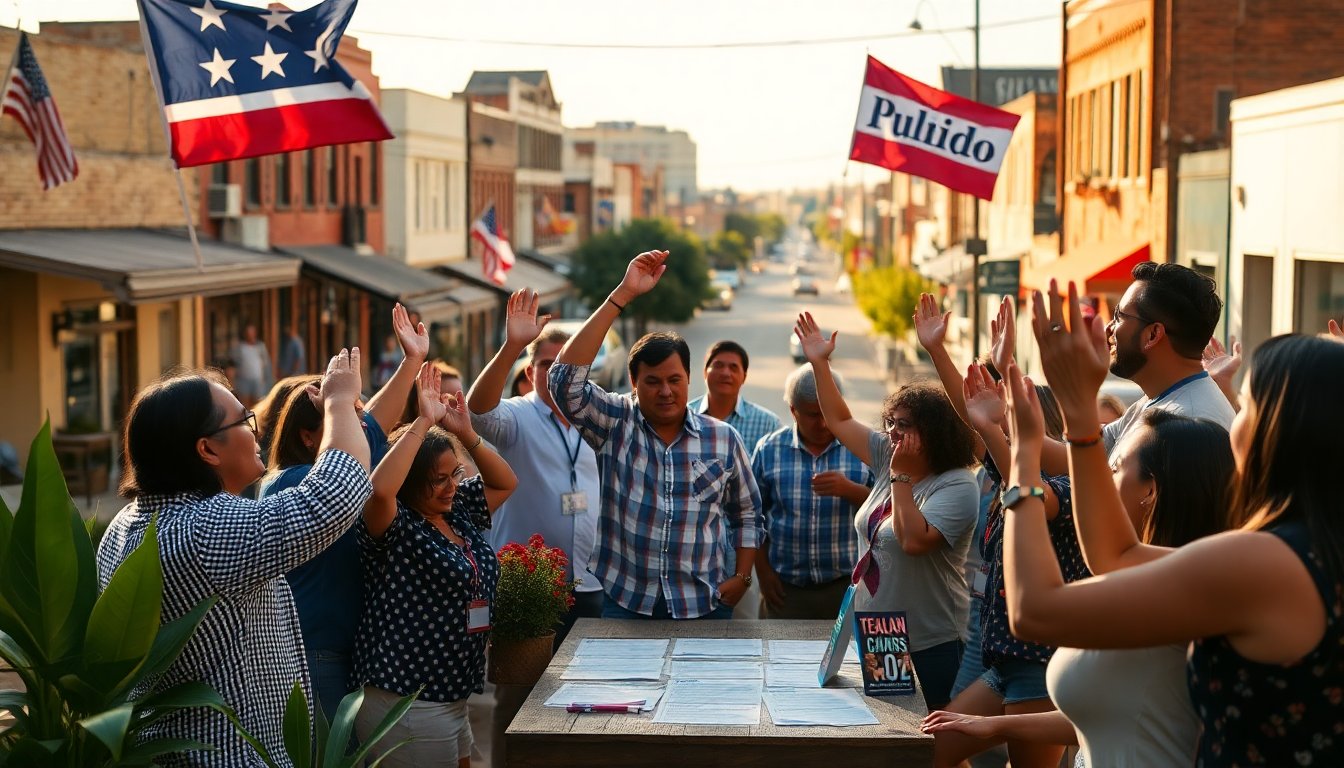
The political landscape in South Texas is undergoing significant changes, fueled by the candidacy of Bobby Pulido. The renowned Tejano music star and Latin Grammy Award winner has emerged as a contender to challenge the Republican dominance in Texas’ 15th Congressional District. Although recent redistricting efforts appear to favor Republicans, Pulido’s entry into the race has revitalized optimism among Democratic supporters.
As a native of South Texas, Pulido is acutely aware of the challenges facing his community. His campaign focuses on addressing the pressing needs of middle-class families and rural issues, aiming to resonate with voters who feel neglected by existing political representatives.
How it works
The political environment in South Texas has changed notably in recent years. Historically, the region has been a Democratic stronghold, but it has seen a shift toward Republican representation. This trend has raised concerns among Democrats as they prepare for upcoming elections. The redistricting process has further complicated their efforts by creating new boundaries that enhance Republican advantages.
However, Pulido’s candidacy could signal a turning point. His entry into the race represents an effort to reclaim Democratic influence in a region rich in cultural heritage and diversity. Supporters believe that Pulido’s celebrity status and deep community ties could bridge divides between political parties.
Building a platform for the people
A cornerstone of Pulido’s campaign is his commitment to practical solutions for local issues. He intends to tackle challenges such as healthcare access, job creation, and education reform. By prioritizing these areas, Pulido aims to unite voters across the political spectrum and foster community engagement.
Notably, Pulido’s emphasis on bipartisanship stands out. By positioning himself as a moderate, he seeks to attract undecided voters who may feel alienated by the current political climate. This approach reflects a desire for more inclusive political discourse that values diverse perspectives and collaboration.
The impact of celebrity on politics
In an era where celebrity influence extends into politics, Pulido’s star power could be pivotal for his campaign. His well-established presence in the Tejano music scene allows him to connect with a broader audience, particularly younger voters. This demographic often seeks change and new approaches to traditional political structures.
Furthermore, Pulido’s connection to the local community adds to his credibility as a candidate. He has consistently engaged with fans and supporters, using his platform to address social issues and advocate for positive change. This grassroots approach can be advantageous in mobilizing volunteers and generating excitement around his campaign.
Challenges ahead
Despite the enthusiasm surrounding Pulido’s candidacy, challenges lie ahead. The Republican-dominated political landscape in South Texas creates significant obstacles. Recent redistricting has strategically positioned many Democratic voters in less favorable locations, necessitating effective communication of Pulido’s message to rally support.
The upcoming election demands a well-organized ground game and substantial fundraising efforts. Pulido’s team must navigate the complexities of campaign logistics while ensuring their outreach resonates with constituents. Success will depend on building a coalition of supporters passionate about electing a representative who genuinely understands their needs.
A new chapter for South Texas
As a native of South Texas, Pulido is acutely aware of the challenges facing his community. His campaign focuses on addressing the pressing needs of middle-class families and rural issues, aiming to resonate with voters who feel neglected by existing political representatives.0
As a native of South Texas, Pulido is acutely aware of the challenges facing his community. His campaign focuses on addressing the pressing needs of middle-class families and rural issues, aiming to resonate with voters who feel neglected by existing political representatives.1