
Table of Contents
In a significant development during the ongoing elections in Uganda, Bobi Wine, a leading opposition figure and former pop star, has been abducted by military personnel. This incident unfolded as votes were being counted, heightening the already tense political climate in the country. Wine’s party has expressed serious concerns, alleging that he was forcibly taken aboard a helicopter and flown to an undisclosed location, raising alarming fears regarding his safety.
The context of the elections
Uganda, governed by President Yoweri Museveni for over three decades, is currently facing a tense electoral period. The elections represent a critical moment for the country, with significant challenges to Museveni’s long-standing authority. A notable figure in this dynamic is Bobi Wine, whose campaign has struck a chord with many young Ugandans eager for change and reform.
The political landscape in Uganda is marred by allegations of intimidation and suppression of dissent. As voters prepare to cast their ballots, anxiety prevails, especially among opposition supporters. Reports indicate that the government has intensified military intervention against dissenting voices, raising serious concerns about the integrity of the electoral process.
Details of the incident
Reports indicate that, shortly after the polls closed, military forces confronted the candidate, leading to his abduction. Eyewitnesses suggest he was forcibly taken while supporters and party officials observed in disbelief. This brazen action has elicited widespread condemnation from both local and international observers. Many fear it marks a dangerous escalation of government repression.
Reactions and implications
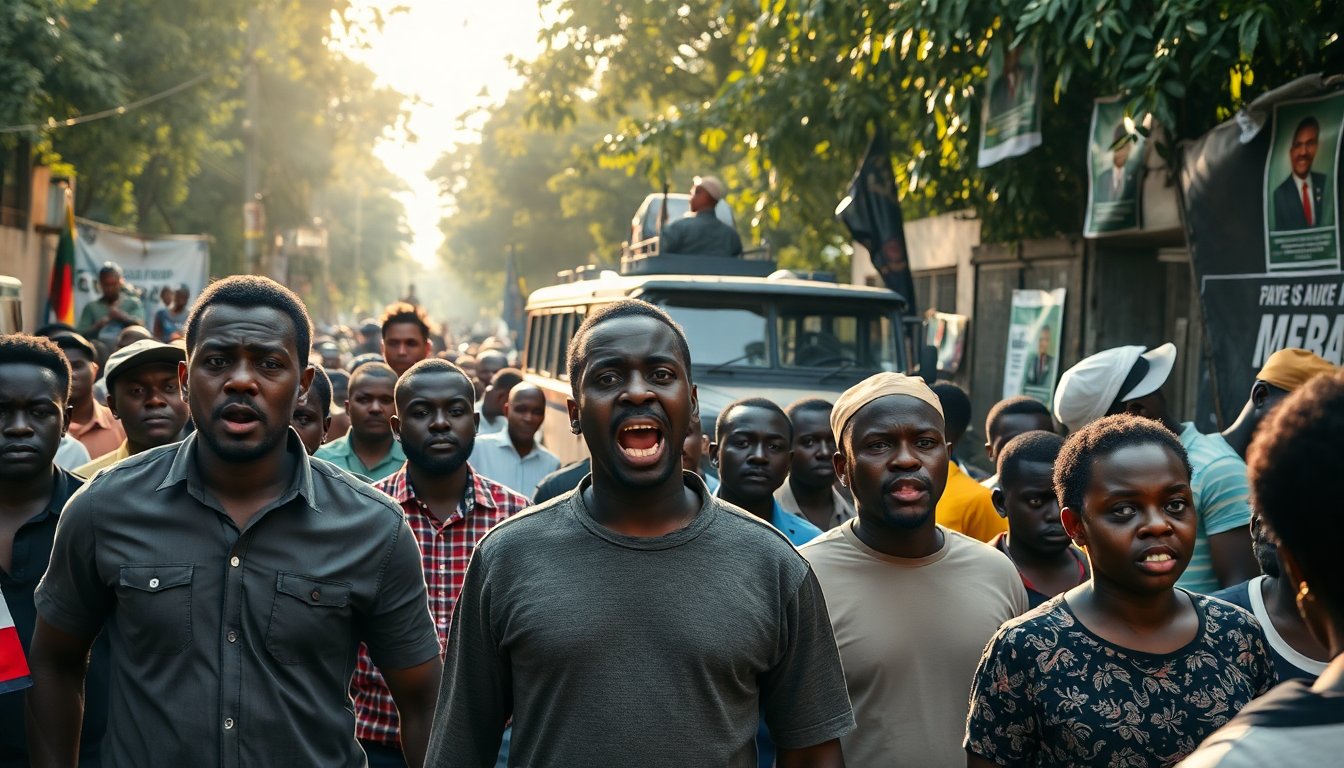
The abduction of Bobi Wine has provoked widespread outrage across social media platforms, with many individuals advocating for his immediate release. Protesters have taken to the streets to demand accountability from the government, expressing their discontent over what they perceive as a blatant disregard for democratic principles.
On an international scale, human rights organizations have expressed their concerns, calling on the Ugandan government to respect the rights of all political candidates and to uphold the integrity of the democratic process. The potential fallout from this incident could significantly affect not only the current election but also shape Uganda’s political landscape for years to come. The situation remains dynamic, with many awaiting further updates regarding Wine’s condition and whereabouts.
Historical perspective
This incident is not an isolated event in Uganda’s political history. The country has a longstanding record of governmental oppression against political opponents. The ruling party frequently employs tactics that undermine the democratic framework, such as press censorship and violent crackdowns on protests. The rise of opposition figures like Bobi Wine represents a glimmer of hope for many, yet it underscores the risks associated with challenging the status quo.
The abduction of an opposition leader during an election starkly illustrates the fragility of democracy in Uganda. It raises critical questions about the future of political discourse and the safety of those who dare to oppose the government.
Looking ahead
As the situation unfolds, the international community remains vigilant. The implications of Bobi Wine’s abduction extend beyond Uganda’s borders, highlighting broader challenges faced by democracies worldwide. The resilience of Ugandan citizens in advocating for their rights will be tested in the coming days. It is uncertain whether this incident will galvanize greater calls for reform or lead to further suppression.
The abduction of Bobi Wine underscores the fragile state of democracy in Uganda. It necessitates urgent action from both local citizens and international organizations to ensure that the will of the people is respected. Acts of violence against political figures must be condemned and effectively addressed to foster a safer political environment.