
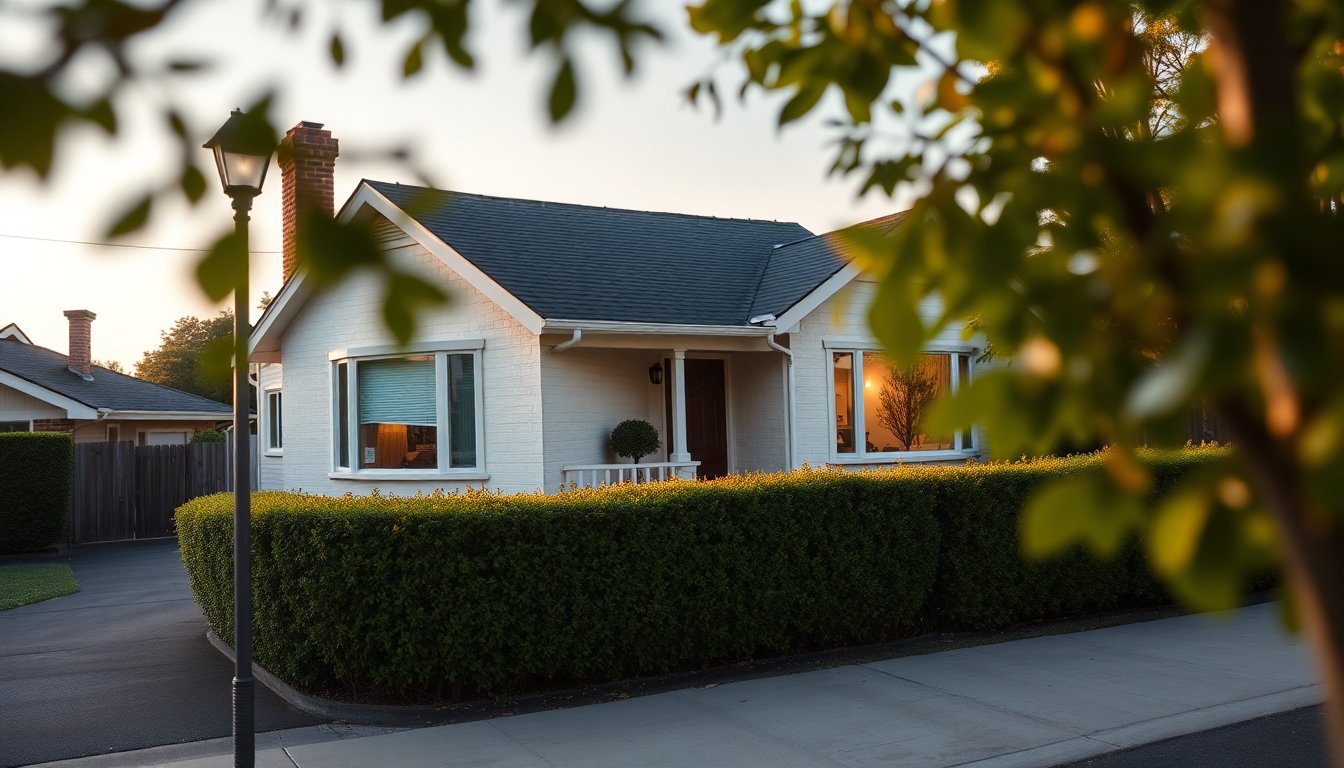
The iconic facade of The Brady Bunch house in Studio City has been added to Los Angeles’ roster of Historic-Cultural Monuments. The decision locks in protections for the property—not because it’s a masterpiece of architecture, but because that familiar silhouette has lodged itself in the nation’s visual memory and helped shape how generations imagined family life.
A private buyer snapped up the house in 2026 and spent the next two years compiling a nomination packet. That application wound its way through the Cultural Heritage Commission, the Planning and Land Use Management Committee and finally the City Council, which granted landmark status. City officials were persuaded not only by the home’s physical presence—the steep triangular roof, stone façade and large picture window—but also by its recurring role in the show’s opening credits and its long afterlife in pop culture.
What started as a personal passion project quickly became a focused preservation campaign. The owner treated the house less like a private residence and more like an object to be conserved: she furnished rooms with props and décor nodding to the series, drawing on a televised renovation from 2019 that had already echoed the on-screen set. The result is part small museum, part event space—staged rooms for tours, charity functions and the occasional cast appearance.
Winning landmark status required more than nostalgia. The nomination included photographs, historical research and expert commentary on the show’s cultural impact, plus clear legal documentation and visible community support. Those concrete pieces of evidence—rather than sentiment alone—are often the deciding factors in preservation battles.
The designation is notable for its emphasis on cultural resonance. Los Angeles’ recognition extends beyond the exterior: in an unusual move, certain interior elements were also included, acknowledging that the house’s significance lies as much in imagery and memory as in bricks and mortar.
Practically speaking, the landmark status changes how future owners can treat the property. Proposals to demolish or make major alterations will face municipal review; the Cultural Heritage Commission can delay demolition and impose design reviews for significant changes. That doesn’t make the house untouchable, but it raises the bar for abrupt or insensitive modifications and creates a formal process that favors stewardship.
Public interest has only grown since the owner began opening the house for events. Visitors arrive daily to photograph the façade and connect physically to a series that aired in 1969 and remained in syndication long after its 1974 finale. The new protections aim to preserve that pilgrimage-like association so the site can continue to function as a cultural touchstone.
In short, the Brady house’s landmarking recognizes an unusual kind of value: a televised image so widely recognized that the building itself became part of America’s shared visual language. The city’s move protects that link between place and memory, ensuring the house — and the stories it evokes — remain part of the neighborhood’s landscape.