
Table of Contents
The Arctic is becoming a focal point of global tension and competition, prompting the Canadian government to take decisive action regarding its infrastructure. As climate change accelerates and geopolitical stakes rise, Canada is investing significantly in its northern territories, particularly in infrastructure that supports both military and civilian purposes. Prime Minister Mark Carney’s recent budget outlines a long-term roadmap to enhance this crucial region, ensuring that Canada is well-positioned to meet both strategic and environmental challenges.
This investment strategy encompasses pipelines, ports, and roads, while acknowledging the unique difficulties presented by the Arctic environment. As Canada aims to double exports to non-U.S. markets and fulfill its NATO defense commitments, the need for improved infrastructure has never been more pressing. This article explores the complexities and opportunities tied to Canada’s Arctic infrastructure efforts.
Addressing the infrastructure gap in the Arctic
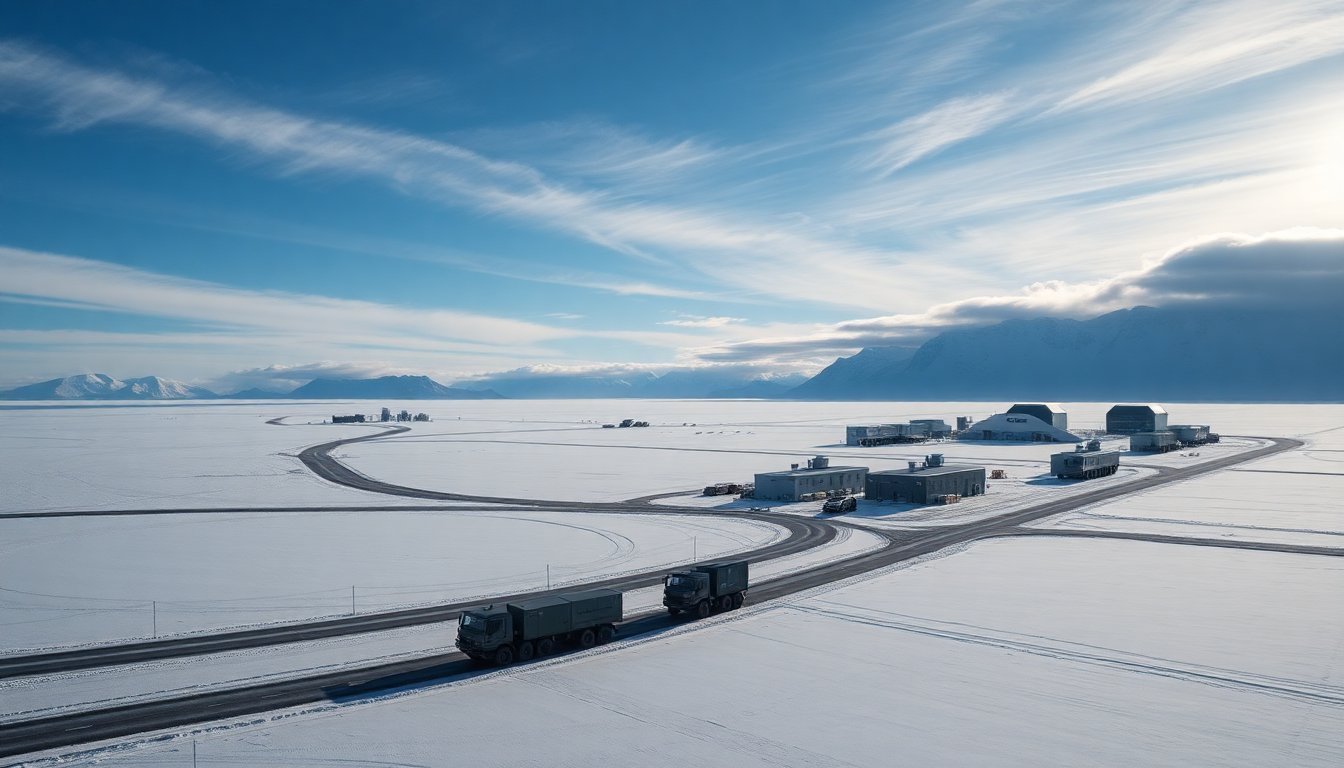
The Canadian Arctic is vast and remote, characterized by extreme conditions that complicate infrastructure development. Historically, investments in this area have fallen short, leaving critical gaps that need urgent attention. The current budget allocates an impressive C$1 billion over four years through the Arctic Infrastructure Fund, designed to enhance transportation projects such as airports and roads. However, this funding is just a starting point; the total costs of proposed projects far exceed initial allocations.
Climate change and its impact on infrastructure
Climate change poses significant challenges for infrastructure development in the Arctic. The region is warming at a rate nearly four times faster than the global average, leading to permafrost thaw and increased sea levels. These changes not only complicate construction efforts but also necessitate a reevaluation of existing infrastructure. As Canada pushes to become a clean energy superpower, it is investing in low-emission projects, carbon capture technologies, and nuclear energy initiatives, all while ensuring that environmental considerations remain central to development plans.
Furthermore, the government recognizes the importance of integrating Indigenous perspectives into these projects. Local communities are often the first to experience the effects of climate change, and their insights are invaluable in crafting sustainable solutions. The budget emphasizes collaboration with Indigenous groups to identify their needs, ensuring that infrastructure investments support both military objectives and local resilience.
Strategic military considerations in Arctic investments
As geopolitical tensions heighten, enhancing Canada’s military presence in the Arctic has become a priority. The government’s infrastructure plans are not only about economic growth but also aim to strengthen national defense capabilities. Infrastructure investments can facilitate military operations, ensuring that Canada can respond effectively to potential threats in the region.
The dual-use nature of Arctic infrastructure
The infrastructure being developed in the Arctic serves dual purposes. Projects like the Mackenzie Valley Highway aim to connect remote communities while also enhancing military logistics. The highway, which has been in planning since the 1960s, reflects the challenges of infrastructure development in this unforgiving terrain. Although the federal government plans to cover a significant portion of the costs, the overall financial commitment must be significantly increased to meet the pressing needs of the region.
Moreover, the Port of Churchill is set to undergo extensive upgrades, transforming it into a vital transportation hub. This deepwater port is crucial for bolstering trade with international partners, particularly as Canada seeks to diversify its economic ties beyond the United States. By enhancing the port’s capabilities, Canada can improve its position in the global market for critical minerals, which are increasingly important for national security and economic stability.
Long-term sustainability and environmental stewardship
As infrastructure development progresses, it is essential to consider the long-term environmental impacts. Increased military and civilian activities in the Arctic can lead to significant ecological changes, including habitat destruction and pollution. Canada must implement measures to mitigate these effects, such as establishing operational zones that protect sensitive ecosystems. The Climate Change and Security Centre of Excellence in Montreal will play a critical role in coordinating best practices and ensuring that sustainability is prioritized in all projects.
In conclusion, Canada faces a multifaceted challenge in transforming its Arctic infrastructure amidst climate change and geopolitical pressures. The investments made today will shape the future of this strategic region, allowing Canada to bolster its military presence, enhance economic opportunities, and protect the environment. By integrating Indigenous knowledge and prioritizing sustainability, Canada can lead the way in responsible Arctic development.