
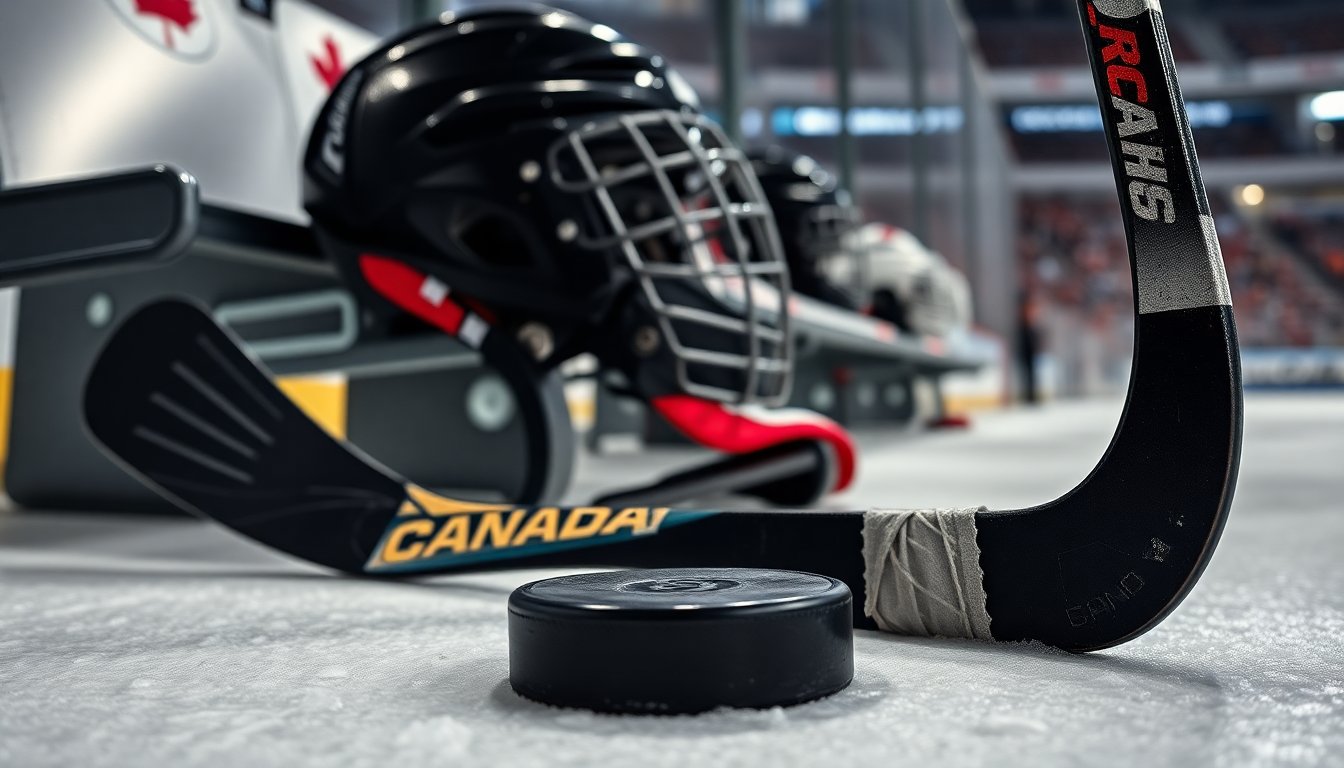
Milano Cortina 2026 will finish with a classic showdown: Canada vs. the United States for the women’s hockey gold. The rematch carries added drama — Canada was blanked 5-0 by the Americans in the preliminary round — and they have roughly 72 hours to regroup, sharpen details and rebuild belief ahead of what will be an all-or-nothing game.
What the semifinals taught us
– Canada scraped past Switzerland 2-1, powered by veteran Marie-Philip Poulin’s two goals and steady goaltending from Ann-Renée Desbiens. That scoreline highlighted Canada’s grit and finishing instinct, even when they didn’t dominate possession from start to finish.
– The U.S. made a statement with a 5-0 win over Sweden. Aerin Frankel’s shutout and scoring spread across multiple lines showed both elite goaltending and the depth to sustain pressure over long stretches.
Those results set up two clear narratives: Canada’s experience and ability to grind out wins versus the U.S.’s blend of defensive assurance and multi-line firepower.
Tactical focal points for the final
– Zone exits and turnover control. Canada must stop giving the U.S. easy transition chances. Cleaner breakouts and smarter puck management will be essential.
– Transition speed and forecheck. The Americans turn turnovers into dangerous chances quickly; disrupting their rhythm and tightening the neutral zone can blunt that edge.
– Special teams. Power play and penalty kill effectiveness could swing momentum more than any 5-on-5 sequence. The team that wins special teams often controls the scoreboard in tight games.
– Goaltending in tight moments. A timely save or a rebound denied can flip a shift into a scoring opportunity — and in a final, those moments matter most.
Matchups and mental game
Poulin remains the tilt point for Canada — her presence forces opponents to adjust lanes and defensive attention, opening space for younger scorers. Beyond skill, she brings calm leadership when the stakes are highest.
The U.S. counters with roster balance: if one line cools off, another steps up. That depth keeps pressure on opposing top defenders and wears teams down over long shifts.
Psychologically, Canada’s task is clear: turn frustration from the earlier loss into focused discipline. That means fewer risky passes in the defensive zone, disciplined gap control, and patient forechecking rather than frantic rushes. The next three days will be about tactical tweaks, recovery and restoring confidence.
What to expect on game day
Expect the opening minutes to be cautious as both teams probe for weaknesses. The pace should pick up in waves — disciplined forechecking to create windows for attack, selective aggression in the high-danger areas, and an emphasis on tape-to-tape passing to avoid turnover-prone plays.
If the game stays tight, special teams and goaltending will decide it. Canada will want to keep the play out of the slot and feed Poulin and other veterans clean chances. The U.S. will try to force quick transitions and exploit any defensive slips with speed through the neutral zone. Small details — cleaner zone exits, timely line changes, and one or two game-changing saves — are likely to decide the outcome. Whatever happens, expect a tense, tactically rich battle that could come down to a single moment.