
Table of Contents
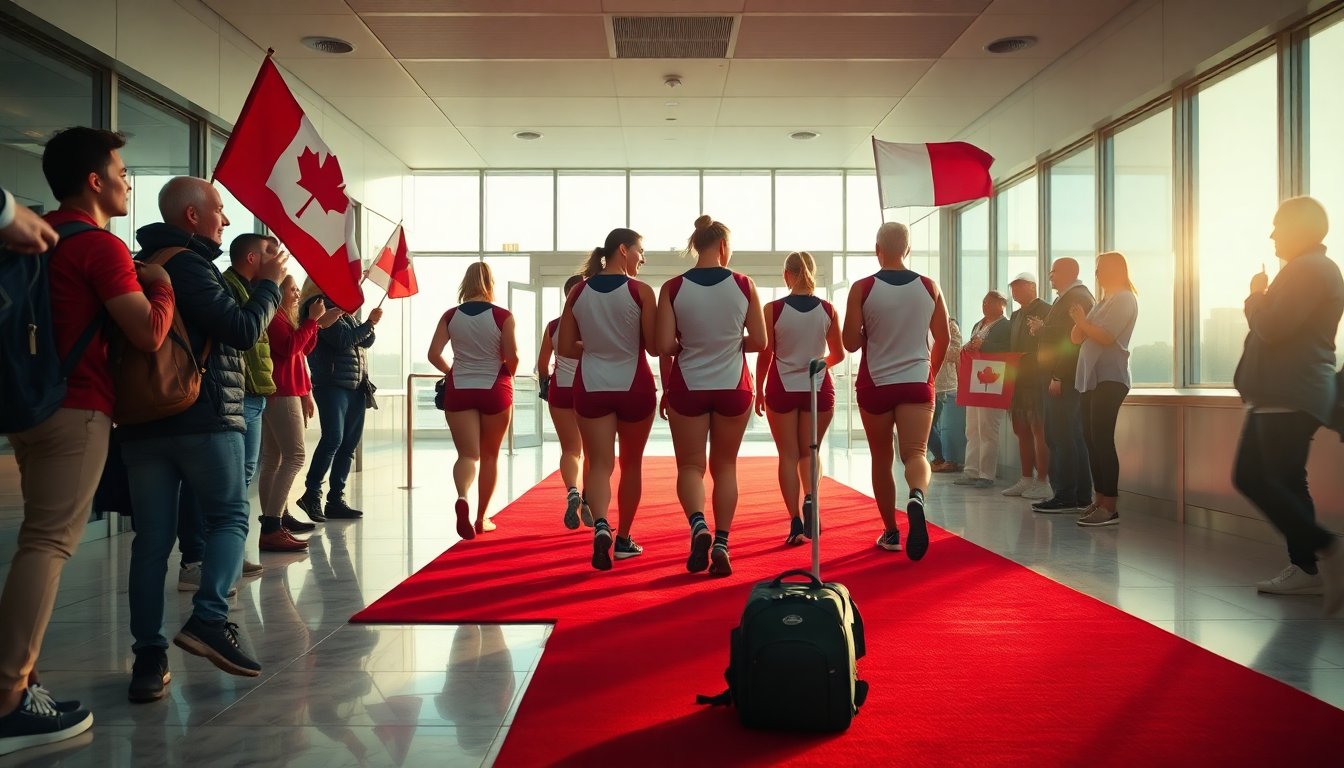
The Canadian Olympic delegation from Milano Cortina 2026 began arriving home this week, meeting friends, family and supporters at Toronto Pearson Airport. A handful of fans, waving flags and asking for autographs, helped turn the arrivals hall into an informal celebration as athletes stepped off the plane. The scene included the familiar ritual of photos on a red carpet and conversations with reporters, giving returning competitors a chance to share immediate reactions to a complex Games that delivered both triumphs and tough lessons.
Across the Olympic fortnight Canada secured a total of 21 medals, with five gold among them. The results were a mix of long-awaited victories, narrow defeats and candid observations about what it takes to remain competitive at the highest level. As teammates reunited and families embraced, several athletes also used the homecoming to raise structural issues facing their sports.
Standout successes and memorable moments
Some of the most talked-about achievements included veteran and rising-star performances. Freestyle skier Mikaël Kingsbury captured gold in the dual moguls, a career-defining moment that followed a less satisfying silver in the single moguls. In skating, Steven Dubois earned gold in the 500-metre short-track, and the long-track pursuit squad—Valérie Maltais, Isabelle Weidemann and Ivanie Blondin—brought home another team pursuit gold. On the slopes and ice, Megan Oldham took gold in freeski big air, while the men’s curling rink skipped by Brad Jacobs, featuring Brett Gallant, topped the podium.
Those victories were celebrated publicly at the airport. Gallant, wearing his gold medal, spoke about pride and relief after a month away representing Canada. The team atmosphere during medal rounds, particularly in curling and hockey, energized many supporters watching from home and in-person.
Near misses and the emotional cost of elite sport
Not every competition finished in celebration. The men’s hockey team reached the final but left with silver after a tight 2-1 loss to the United States in the gold medal game. The result stung, and it highlighted how small margins determine outcomes in top-tier tournaments. Professional and personal disappointments were visible across different sports—athletes described nights of replaying races or routines in their minds and dealing with the emotional aftermath of coming so close to gold.
Personal stories behind the medals
Some moments were private and tender: Kingsbury’s embrace with family moments after his gold ceremony underscored the role of support networks. Other athletes recounted difficult runs or equipment failures that cost precious time. Those candid reflections provided a fuller picture of what the podiums represent—not just medals but the cumulative investment of athletes, coaches and loved ones.
Funding, equipment and long-term competitiveness
Alongside celebrations, concerns about resources surfaced as an important theme. Cynthia Appiah, a member of Canada’s bobsleigh team, drew attention to the discrepancy in sled technology and program investment. She noted that the team had not seen targeted investment in program funding for several years and lacked recent upgrades to sleds, a sharp contrast with rivals who replace equipment frequently. Appiah’s observations framed a broader conversation about how sustained funding—and up-to-date gear—can influence performance in technology-dependent sports.
What athletes want going forward
Several competitors made the case for strategic investment to keep Canada competitive across sliding and technical disciplines. They argued that consistent funding cycles, access to modern equipment and targeted support could turn narrow defeats into podiums in future championships. The message was pragmatic: raw talent remains vital, but it must be matched by institutional support to maximize medal potential.
The Canadian Olympic Committee reported that roughly ninety of Canada’s 207 athletes participated in the closing ceremony at the ancient Verona Arena, where the twin flames of Milan and Cortina were officially extinguished. Valérie Maltais and Steven Dubois served as flag-bearers during that farewell procession. On social media, Prime Minister Mark Carney congratulated the team for bringing home 21 hard-fought Olympic medals and celebrated the athletes’ determination and national pride.
As Canada evaluates the outcomes from Milano Cortina 2026, the homecoming provided a moment to savor achievements and to catalog lessons for the future. Fans and family members who greeted the athletes at Pearson offered immediate warmth and recognition, while the athletes themselves balanced celebration with honest assessments about what will be needed to return stronger at the next major international events.