
Table of Contents
The Olympic stage at Milano Cortina 2026 produced an early flashpoint when Canada stunned the United States with a shorthanded goal. Oakville’s Kristin O’Neill capitalized on a two-on-one break to open the scoring in what became a tense, defensive battle. Across other ice and snow venues, Canadian athletes were central to pivotal moments: a goaltender was imposing in net, the men’s curling team advanced in tight play, and a freeski competitor suffered a dramatic crash that brought medical attention.
That opening sequence set the tone for a day where every minute felt consequential. The hockey match, played in front of roaring fans wearing red and white, contrasted with the quieter precision of the curling semifinal where strategic shots changed ends. Meanwhile, the freeski halfpipe qualification showcased both high skill and the real risk of the sport when a top contender fell hard during a second run.
How the hockey game unfolded
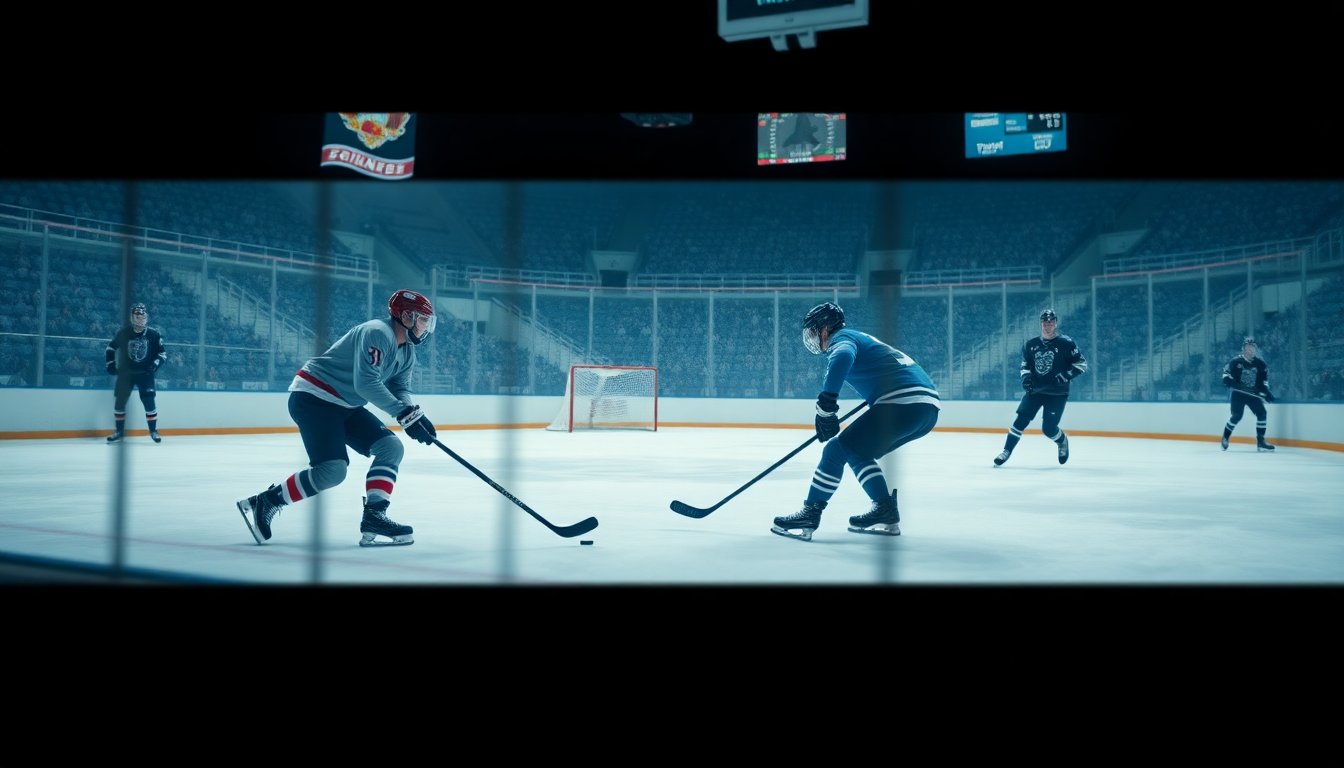
Canada’s only goal through two periods came on a swift counterattack by the penalty kill. Kristin O’Neill finished the play with a clean shot at the top of the second period, giving Canada a lead that proved hard-earned against a relentless United States side. The Americans had sustained pressure and time in the attacking zone, but the Canadians defended effectively and relied on timely transitions to generate offense.
Goaltending that mattered
Ann‑Renée Desbiens was the backbone of Canada’s defensive effort. The veteran netminder made a series of critical stops during stretches of American dominance, effectively becoming the game’s most influential player. Desbiens’ recent track record in professional leagues had marked her as a goaltender capable of stealing tight contests, and her performance in this match reinforced that reputation. When a team faces extensive pressure in its own zone, a hot goalie can reshape the contest — and Desbiens provided that difference.
Momentum and atmosphere
Beyond the ice, the environment added narrative weight to the contest. Supporters in elaborate costumes and national apparel created a vivid backdrop, and even visiting dignitaries were visible among the crowd. The intensity inside the arena reflected the rivalry’s long history, while the players’ composure in high-pressure moments underscored how preparation and experience matter in a gold-medal setting.
Curling, freeskiing and broader Canadian highlights
While the hockey scoreboard held a narrow margin, the men’s curling semifinal provided its own drama. Canada led Norway heading into the fifth end after an expertly executed shot in the fourth forced Norway into a single-point result. That kind of tactical excellence — a well-timed takeout that changes scoring options — is what separates semifinal teams from the rest, and the Canadian rink displayed the kind of precision associated with medal contention.
Freeski halfpipe incident
On the snow, a Canadian freeski athlete suffered a significant fall during a second qualifying run in the women’s halfpipe. Medical personnel moved quickly to assist and remove the competitor from the pipe on a sled. The athlete acknowledged the crowd as she was helped off, and observers noted her strong first run had positioned her well before the accident. The moment served as a reminder of the fine line between athletic bravado and the physical risk inherent in freestyle sports.
PWHL and NCAA connections shaping the tournament
The Olympic women’s tournament at Milano Cortina 2026 featured an unusually high concentration of players from professional and collegiate circuits. Numerous members of Team Canada and Team USA have roots in the PWHL and NCAA systems, creating a layered narrative where pro experience and college development intersect. Players who earn roles in pro leagues arrive at the Games with refined skills and competitive seasoning that translate into Olympic performances.
For Canada specifically, several PWHL stars contributed across the preliminary round and into the knockout stages, both on the scoresheet and in support roles. Kristin O’Neill’s journey from previous Olympic squads to becoming a primary contributor illustrates how roster depth and role clarity can produce decisive moments. Similarly, goaltenders with strong pro resumes have showcased that championship-caliber net play can be the fulcrum of success.
Looking ahead
As the tournament progresses, attention will remain split among multiple disciplines. The hockey game moved toward its final period with Canada clinging to a slim lead, curling teams advanced toward medal matches, and freestyle disciplines continued their qualifying rounds. Across all events, the common thread has been athletes translating professional and collegiate preparation into high-stakes Olympic performance — where a single play or save can determine the path to gold.
From a shorthanded goal that swung momentum to a goalie who refused to yield, and from a curling shot that shifted ends to a freeski fall that underscored the sport’s danger, the narrative at Milano Cortina 2026 remains compelling and far from decided.