
Table of Contents
On March 28, 2026, in one of its final tune-ups before co-hosting the FIFA World Cup, Canada played out a 2-2 draw with Iceland at BMO Field. The evening produced contrasting narratives: a resilient comeback led by Jonathan David, who converted two penalties, and a damaging moment of indiscipline when Tajon Buchanan received a straight red card in the 81st minute. The match drew 26,328 spectators and unfolded in wintry conditions that felt far removed from the summer heat expected in June, but the stakes were unmistakable for a team trying to sharpen its game before the tournament.
Head coach Jesse Marsch left the field with takeaways rather than applause. He repeatedly stressed that the squad must convert these rehearsals into improvements and not repeat the kinds of errors that cost momentum in tightly contested tournaments. With several starters absent through injury and suspension, Marsch assembled a backline and midfield that looked short on experience at times. The result was a lesson in both recovery and caution: Canada showed character in the second half but revealed vulnerabilities that will interest opponents and analysts alike ahead of the World Cup opener on June 12 in Toronto.
Match summary and early defensive lapses
The first half tilted sharply in Iceland’s favor after unforced errors gave the visitors two simple goals. A poorly weighted back pass by Kamal Miller in the ninth minute was intercepted by Iceland forward Orri Oskarsson, who raced onto the ball and finished, putting Canada behind early. Twelve minutes later, space was exploited down the middle as Canada’s makeshift central pairing of Joel Waterman and Miller failed to recover, and Oskarsson added a second. Those openings exposed the risks of a defensive spine missing regular starters such as Alphonso Davies, Moise Bombito and Alistair Johnston, as well as the absence of Ismael Koné due to suspension. Marsch emphasized that his priority is encouraging forward risk-taking rather than retreating into safe but dangerous backwards play.
Second-half response and decisive substitutions
Canada’s tone changed after the break following a trio of substitutions that injected pace and purpose. The first penalty arrived when a surging Tajon Buchanan was felled in the area, and Jonathan David coolly converted from the spot. Shortly afterward, substitute Daniel Jebbison drew a similar foul and David again stepped up to bury another penalty, ending a personal drought and extending his international tally to 39 goals in 74 caps. The second-half lift included the debut of 22-year-old Marcelo Flores, whose confident presence offered encouragement about the squad’s depth. Even so, the resurgence felt incomplete after the subsequent sending-off.
Discipline, red cards and tournament implications
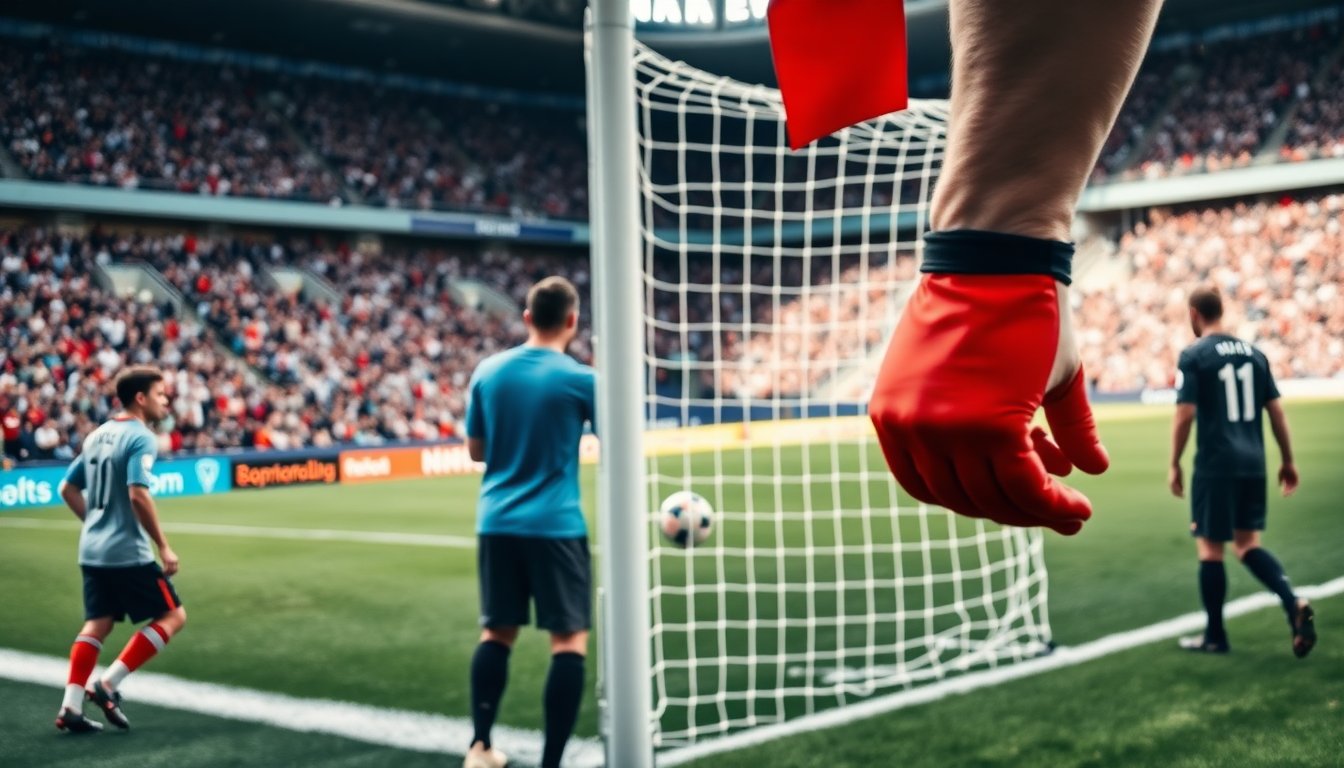
The 81st-minute straight red card to Tajon Buchanan blunted Canada’s momentum and raised fresh questions about concentration and decision-making on the international stage. It marked the third consecutive match in which a Canadian player received dismissal, and prompted concerns that avoidable suspensions could shape tournament outcomes. While some teammates suggested that video review could have produced a different outcome, Marsch was more focused on the broader lesson: the team must eliminate mental errors that are both avoidable and potentially costly. The card underscored the thin margin between aggressive play and disciplinary lapses at elite events.
Debutants, squad depth and individual performances
One silver lining from the afternoon was the chance to evaluate fringe players in a competitive setting. Marcelo Flores impressed in his debut with lively movement and confidence on the ball, and Daniel Jebbison made an immediate impact as a substitute. Goalkeeper Dayne St. Clair kept his place while Max Crepeau is expected to feature in the next friendly, giving Marsch opportunities to shuffle personnel before the World Cup. The match also highlighted how roster absences force younger or less-capped players into key roles, and how valuable those minutes are for building cohesion and understanding under pressure.
Stadium upgrades, schedule and the road ahead
Beyond the pitch, Saturday offered a preview of the tournament environment at BMO Field, where recent construction has increased capacity and altered sightlines. Players described the renovated stands as imposing and potentially intimidating when full, a welcome factor for a host nation. Canada will play its group opener in Toronto on June 12 against either Italy or Bosnia and Herzegovina, depending on qualifying outcomes, and has another friendly against Tunisia scheduled as the final local rehearsal. Those fixtures represent further opportunities to convert the evening’s lessons into the consistent, disciplined performances that Marsch’s side will need to advance in June and July.
In short, the 2-2 result offered both reassurance and warning: the squad can rally from a poor start, but it must cure sloppy moments and curb reckless decisions. With a mix of experienced scorers like Jonathan David and promising newcomers such as Marcelo Flores, Canada arrives at the doorstep of the World Cup with talent and character — now the task is to refine the details so that rehearsals turn into results on the biggest stage.