
Milano–Cortina, penultimate full day — a mixed bag for Team Canada. Tight finishes, a dramatic withdrawal and small margins decided much of the action as weather, course wear and refereeing shaped who moved on and who went home.
How the day played out
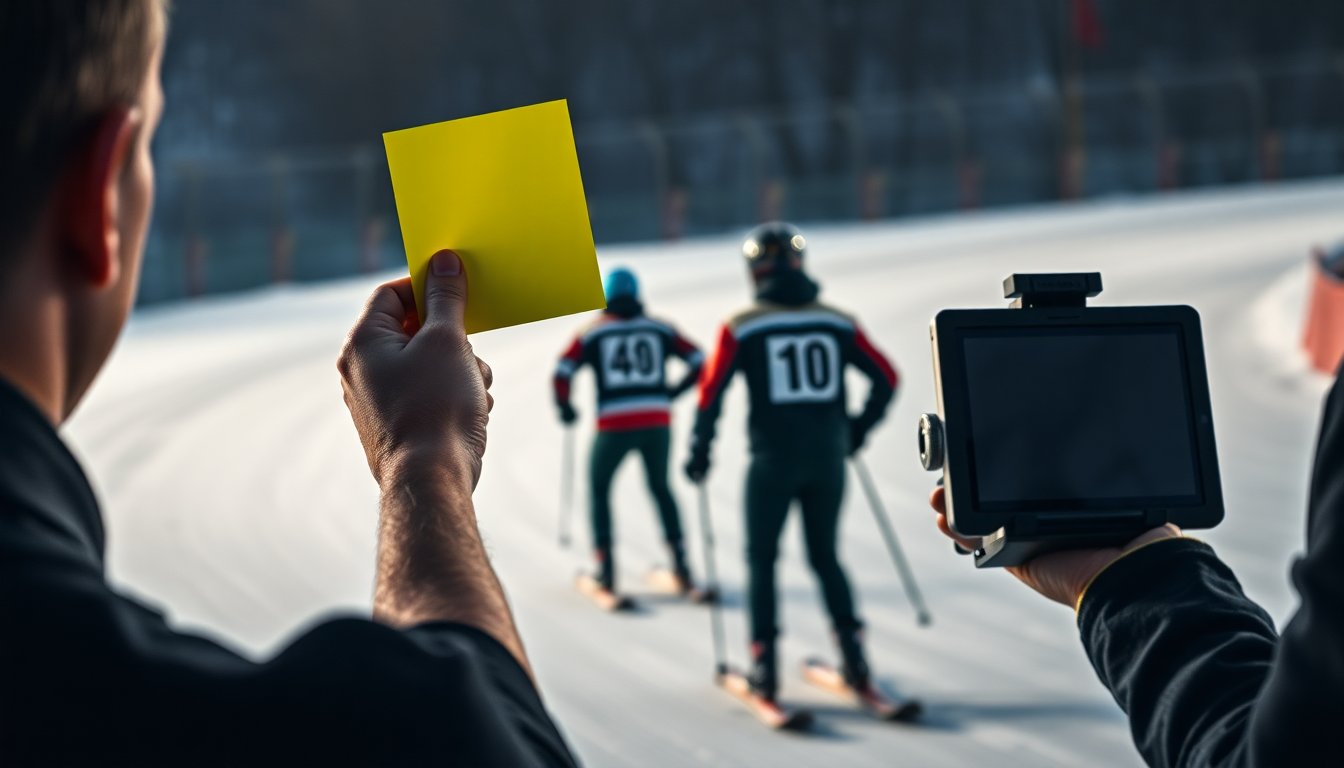
– Ski cross served up photo finishes and controversy: a disputed on‑course contact led to a yellow card that changed which Canadian advanced. Officials reviewed video and applied the rules, and that decision ultimately reshaped a quarterfinal lineup.
– In freeski halfpipe, two‑time medallist Cassie Sharpe was withdrawn after a heavy qualifying crash. She was evaluated by medical staff, transported to hospital for imaging and later released, but not cleared to compete.
– The mixed team aerials were tightly packed. Variable light and intermittent fresh snow made landings and visibility unpredictable, and small execution deductions left Canada just outside advancing positions.
Ski cross: razor‑thin margins and a heated review
Racers battled a rutting course and softer snow that forced split‑second changes in line and speed. Reece Howden scraped through a photo finish in the 1/8 finals but couldn’t find the rhythm in his quarterfinal and finished last in that heat. Visibility and the choppy surface compounded recovery difficulties when athletes got out of position.
The biggest talking point was Jared Schmidt’s yellow card. Video evidence showed rear contact in a corner that officials judged to have impeded another racer. The card didn’t eject him from the event but cost him the advancing position and sparked debate about the limits of acceptable aggression in head‑to‑head heats. Yellow cards are increasingly visible in ski cross as referees try to balance competitive passing with safety.
What matters in ski cross
– Heats are four‑rider, head‑to‑head eliminations: the top two advance. Line choice through banked turns and jump timing determine whether a racer can stay in contention.
– Equipment setup (edge angle, ski flex, wax) becomes critical on soft, rutted tracks; small errors in a single turn are amplified when racers are side‑by‑side.
– Coaching focus should be on explosive starts, adaptive line drills and clean overtakes—especially in corners where penalties commonly occur.
Mixed team aerials: close scoring, one place shy
Canada’s mixed team—Marion Thénault, Miha Fontaine and Lewis Irving—put up solid individual jumps but missed Final 2 by a single spot after finishing fifth in Final 1. The team’s total suffered from a subdued opening jump and form deductions on other attempts. In team aerials, cumulative scoring blends declared difficulty with execution, so one low mark can sink the group’s chances.
Freeski halfpipe: Sharpe’s crash and athlete welfare
Cassie Sharpe’s crash was the day’s most worrying moment. Eyewitnesses and video show a switch landing that turned into hard contact with the pipe wall, producing rapid deceleration and momentary loss of consciousness. Medical staff immobilized and sled‑evacuated her for assessment. Following imaging and observation, she was released from hospital but not cleared to return.
That withdrawal removes a top contender from the final and alters the tactical picture: rivals may opt for safer, cleaner runs to exploit the gap left by a front‑runner. Event organisers will keep monitoring the pipe’s transitions, wall curvature and snow surface to limit further risks.
What teams will do next
– Coaches will reassess run orders, balancing difficulty and reliability—particularly in judged events where form deductions can be decisive.
– Support staff need fast medical triage and clear return‑to‑play protocols; athlete welfare comes first.
– Equipment crews should prioritize base prep for soft snow and test edge settings for rutted sections to preserve grip and acceleration out of gates.
Broader implications for Canada
Canada showed depth across freestyle disciplines but also vulnerability to changing conditions and subjective officiating. The mixed aerials miss and Sharpe’s withdrawal cut into medal prospects, while contested penalties in ski cross demonstrated how refereeing can alter progression independent of raw speed.
How the day played out
– Ski cross served up photo finishes and controversy: a disputed on‑course contact led to a yellow card that changed which Canadian advanced. Officials reviewed video and applied the rules, and that decision ultimately reshaped a quarterfinal lineup.
– In freeski halfpipe, two‑time medallist Cassie Sharpe was withdrawn after a heavy qualifying crash. She was evaluated by medical staff, transported to hospital for imaging and later released, but not cleared to compete.
– The mixed team aerials were tightly packed. Variable light and intermittent fresh snow made landings and visibility unpredictable, and small execution deductions left Canada just outside advancing positions.0
How the day played out
– Ski cross served up photo finishes and controversy: a disputed on‑course contact led to a yellow card that changed which Canadian advanced. Officials reviewed video and applied the rules, and that decision ultimately reshaped a quarterfinal lineup.
– In freeski halfpipe, two‑time medallist Cassie Sharpe was withdrawn after a heavy qualifying crash. She was evaluated by medical staff, transported to hospital for imaging and later released, but not cleared to compete.
– The mixed team aerials were tightly packed. Variable light and intermittent fresh snow made landings and visibility unpredictable, and small execution deductions left Canada just outside advancing positions.1