
Table of Contents
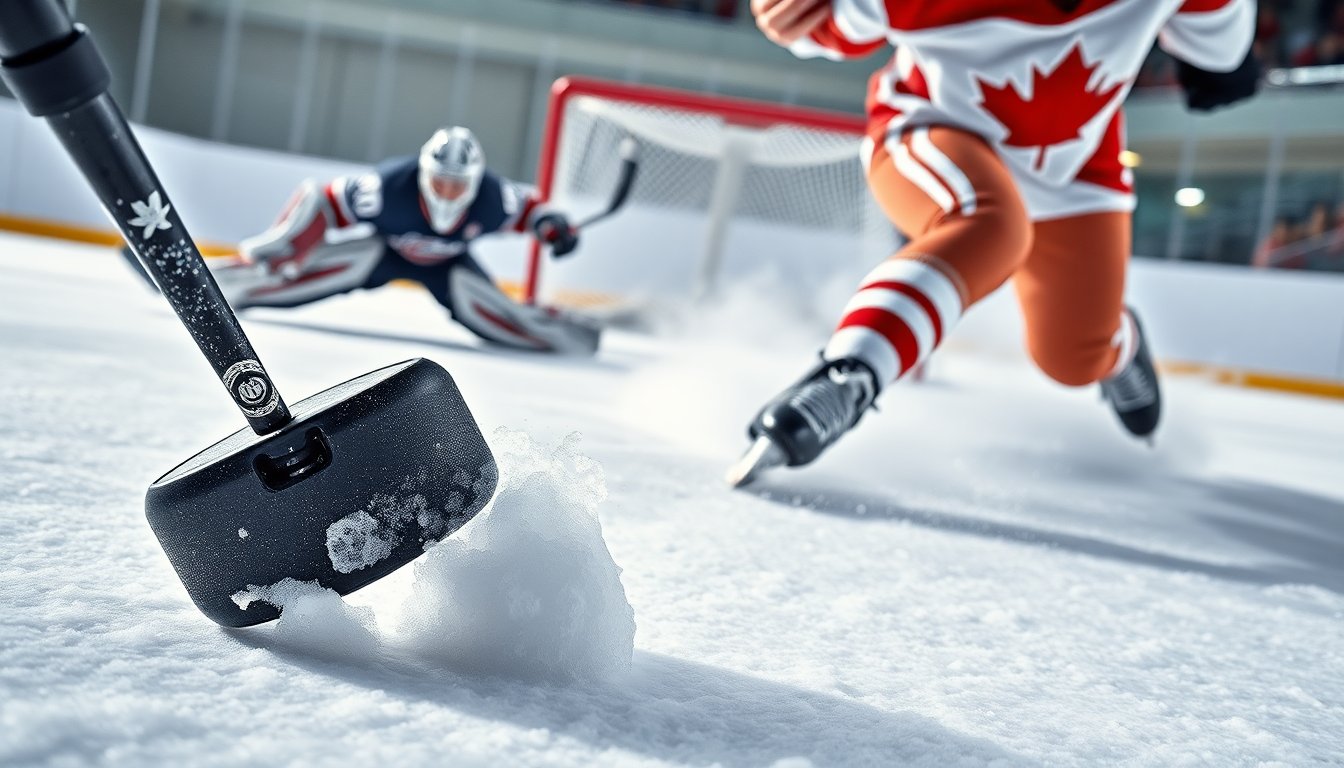
Who: the Canadian women’s hockey team.
What: they rebounded from a heavy loss to the United States by defeating Finland 5-0 to finish the preliminary round.
Where and when: in the final game of their group stage at the Olympic tournament.
Why it matters: the win confirmed Canada will face Germany in the quarterfinals and offered coaches clarity on lineup options ahead of elimination play. Multiple forward lines contributed goals. An Olympic rookie delivered a timely performance. Goaltending was steady and helped shift momentum toward the knockout stage.
Game overview and key contributors
Defence, goaltending and tactical adjustments
Defence remained compact and disciplined, limiting high-danger chances throughout the game. The team focused on tight gap control and quick puck retrieval in the defensive zone. Those measures reduced time and space for opponents and forced turnovers in neutral ice.
Goaltending was steady and helped shift momentum toward the knockout stage. The starter made several routine saves and one timely stop on a point-blank attempt that preserved the lead. Netminding paired calm positioning with efficient rebounds to keep play in front of the crease.
Coaching adjustments at the first intermission emphasized pace and line matchups. Forwards were tasked with earlier support on the forecheck and clearer responsibilities on backchecking. Defence-pair rotations were shortened to maintain structure and relieve pressure during long shifts.
Scoring depth proved decisive. Rookie Jenn Gardiner opened the scoring after a slick feed from Julia Gosling. Daryl Watts converted on a play set up by Sarah Fillier, and Kristin O’Neill added a deflected goal to extend the margin. In the third period, Emily Clark completed a two-goal night with a wraparound finish that sealed the result.
The palate never lies: balance wins games as surely as it refines a recipe. As a chef I learned that timing and support turn individual skill into consistent team performance. That blend of structure and finishing gives the squad clear momentum heading into the knockout rounds.
Line depth and underused options
Coaches widened the rotation to keep forwards fresh and to test different combinations. Short shifts allowed more aggressive entries and sustained pressure near the crease. That shift in usage exposed underused options who brought physicality and net-front instincts.
As a chef I learned that timing matters: a late, well-placed pass can change the whole plate. The same principle applied here. Supporting players arrived on the doorstep at the right moments, creating rebounds and second-chance opportunities.
Defensive forwards also contributed by winning pucks in the corners and feeding the slot. That work reduced isolated perimeter shots and increased attempts from high-danger areas. Goaltending stability behind those adjustments let the team gamble more on offence.
Coaches signalled they will keep testing personnel and minutes to preserve energy for the knockout rounds. The immediate result was clearer attack patterns and better balance across four lines, which gives the squad practical options for tougher opponents ahead.
Depth and tactical flexibility emerge from limited minutes
The palate never lies: subtle ingredients sometimes determine the final flavour of a match. The victory underscored the value of depth. Jenn Gardiner (24) and Julia Gosling (24) supplied reliable offence in brief shifts. O’Neill (27) added pace and faceoff skill. Together, the trio has produced several points across the tournament despite relatively limited ice time. That pattern suggests the coaching staff can deploy them strategically in high-leverage moments moving forward. The immediate result has been clearer attack patterns and improved balance across four lines, offering practical options against tougher opponents.
Injury update and situational outlook
Canada remained without captain Marie-Philip Poulin, sidelined with a lower-body injury sustained earlier in the preliminary round. Poulin skated with medical staff and coaches and was described as optimistic. Her availability for the quarterfinal is not yet confirmed. Team medical staff will monitor her condition in the coming days as preparations continue for the knockout match. Coaches have signalled they will adjust line combinations depending on her status and the opponent’s match plan.
Coaches have signalled they will adjust line combinations depending on her status and the opponent’s match plan. The defensive staff chose certain players for the roster based on perceived steadiness in tight moments. Those defenders, deployed sparingly during tense sequences, remain available as matchup-specific options later in the knockout bracket. The palate never lies, and here that means depth and calm under pressure shape selection as much as raw skill.
What to expect against Germany
Canada faces Germany, ranked eighth in the world, in a single-elimination quarterfinal. The match is scheduled for Saturday at 10:40 a.m. local/ET. Germany fields goaltender Sandra Abstreiter, who shares club ties with Desbiens. Head coach Troy Ryan said he expects a well-coached German side and emphasised preparation and respect for their systems. Tactical discipline and reliable goaltending are likely to decide tight moments in this do-or-die game.
Canada lean on structure and goaltending as knockout phase begins
Tactical discipline and reliable goaltending are likely to decide tight moments in this do-or-die game. Canada will aim to repeat what worked against Finland. Coaches will prioritise getting pucks into danger areas, using line depth to sustain pressure, and limiting opponent transition opportunities.
The matchup carries a personal subplot. Germany coach Jeff MacLeod and forward Ryan share connections to Nova Scotia, adding local familiarity to the strategic contest. That background may influence match-up choices and player deployments.
Balance in scoring emerged as a clear positive. Canada’s improved offensive-zone entries and more varied shot sources reduced predictability. The defensive group will be asked to tighten structure around the net and cut down on high-danger chances against.
Goaltending remains a decisive variable. Dependable netminding will allow Canada to play with controlled aggression and rely on depth rather than heroics. Special-teams execution will also factor in tight phases of the game.
Medical and roster status will shape final adjustments. Staff will monitor the recovery of key injured players and alter line combinations accordingly. The next selection window will reflect both form and fitness as the tournament advances.