
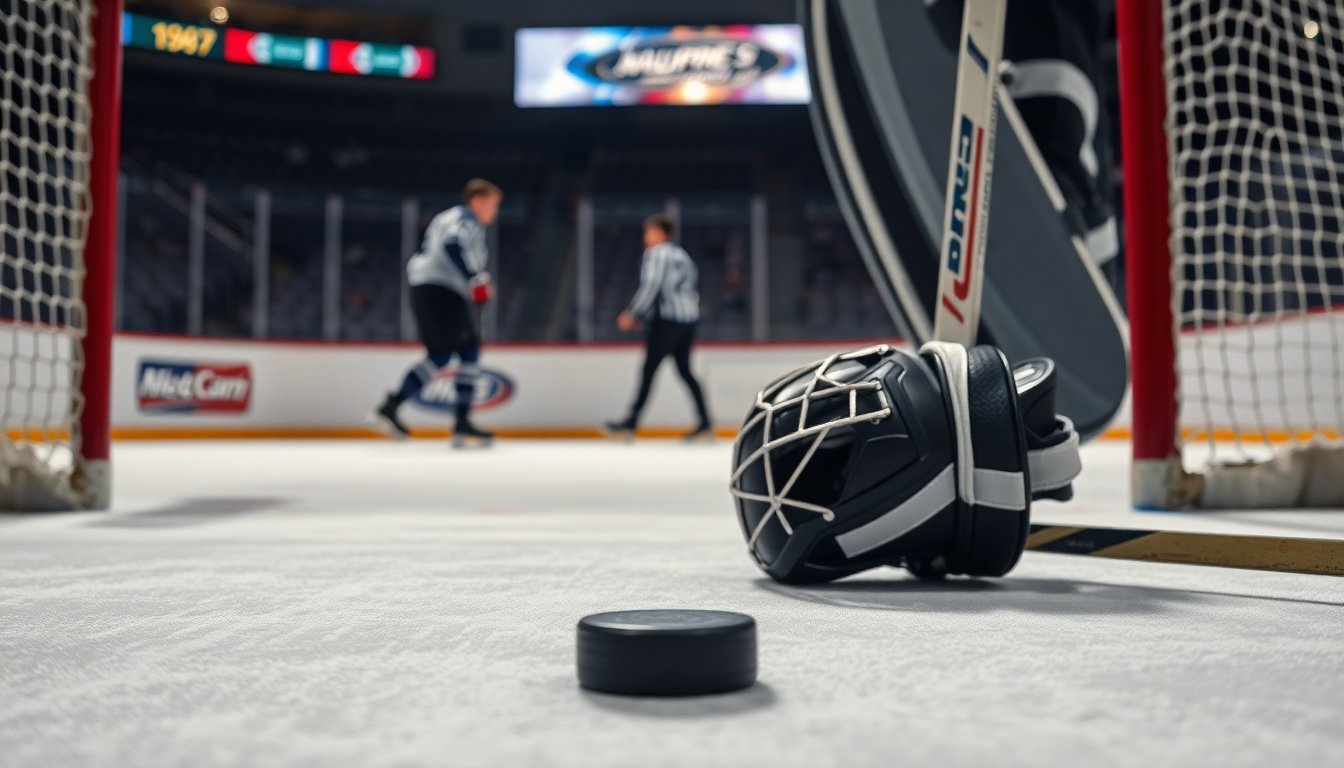
Canada opened its Olympic hockey campaign with a statement: Jordan Binnington stood tall in goal and Team Canada rolled to a 5-0 win over Czechia. Binnington stopped 26 shots, kept rebounds to a minimum and gave his teammates the confidence to play aggressively in front of him.
A calming presence
Binnington’s performance answered a lot of early questions about Canada’s last line of defense. His saves weren’t flashy for the sake of spectacle; they were controlled, well-positioned and effective at killing second chances. Where Czechia’s keeper allowed scrums and follow-ups, Binnington absorbed traffic and cleared danger. That kind of rebound control matters more than a highlight reel—especially in compressed, high-pressure tournaments.
Preparation on display
What looked like a composed night had a clear origin: repetition. Binnington’s pregame routine—puck-banking behind the net, glove work to warm his hands and repeated tracking drills—translated directly into fewer loose pucks around the crease. Those small, methodical habits let him dictate tempo and give defenders space to breathe.
Coaching and conviction
Head coach Jon Cooper’s decision to back this trio of netminders faced scrutiny before puck drop. Cooper argued the choice wasn’t just about season-long numbers; it was about tournament temperament and chemistry. Saturday’s opener provided immediate evidence his approach can pay off. Still, the broader debate — rely on recent club metrics or prioritize proven big-game temperament — won’t disappear. The smartest teams blend analytics with the “eye test,” using video and data to target vulnerable rebound zones while preserving routines that deliver calm under pressure.
The human side
Belief and role clarity are as tangible as any stat. Teammates said Binnington’s presence steadied the group; when a goalie looks comfortable, the defense plays differently. Clear assignments on starter and backup duties also let goalies prepare mentally and physically between appearances, and they let coaches tailor support like video review or specific practice reps.
Game flow and what to watch
Canada’s offense spread the scoring around—five different players found the net—and an early, late-first-period goal eased early nerves. For goaltending discussions, though, the night belonged to Binnington. He made several key stops in the opening minutes and repeatedly snuffed out in-crease scrambles, reducing second chances and keeping the scoreboard clean.
Cooper mentioned the possibility of rotating goalies in back-to-back games to manage workloads, a common tournament tactic. That approach preserves sharpness across the trio and allows matchups to influence starter selection. Moving forward, watch how Canada manages goalie minutes, rebound control and line rotations—those choices will shape both game plans and the selection conversation.
Why it matters for the tournament
A shutout like this does more than pad a stat line; it buys breathing room. It quiets critics, validates coaching trust and gives the team tactical flexibility as the tournament progresses. Whether Saturday’s performance marks the start of a consistent run or remains a standout night will be revealed over the coming games. For now, Canada can take comfort in a performance where preparation, conviction and execution met at the net.