
Table of Contents
Winter has firmly taken hold of Canada, bringing a series of severe weather alerts across several provinces. With freezing rain, biting cold temperatures, and heavy snowfall creating hazardous conditions, daily life and travel have been significantly impacted.
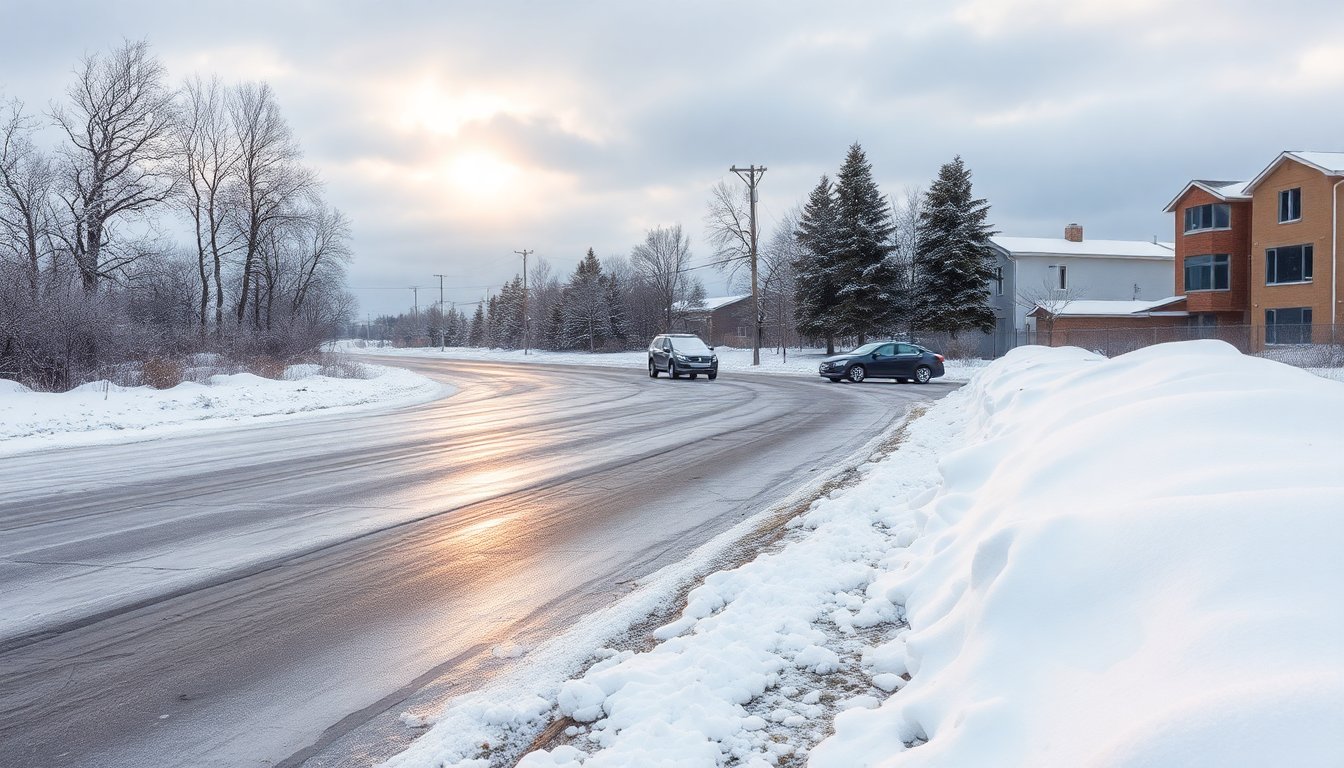
In southern Saskatchewan, particularly around Regina, major highways have been closed due to treacherous driving conditions caused by a layer of ice. This extreme weather has prompted warnings from Environment Canada about the dangers of traveling through affected areas.
Current weather challenges in Saskatchewan
As freezing rain moved through Saskatchewan, it caused substantial disruptions, especially on the Trans-Canada Highway between Regina and Moose Jaw. This highway segment has seen numerous road closures and travel advisories due to slick and icy conditions that developed overnight.
According to the latest reports, many towns and cities across the province have been blanketed in ice, leading to dangerous driving scenarios. The Saskatchewan RCMP has been vocal about the risks, warning that poor visibility and snow-covered lanes have contributed to several accidents, further exacerbating the road situation.
Travel advisories and precautions
Authorities are strongly advising drivers to reconsider any non-essential travel during this period. The Highway Hotline provides real-time updates on road conditions, helping travelers make informed decisions before heading out. With road closures and advisories still in effect for certain regions, it is essential to stay updated on the latest information.
Although the freezing rain warnings issued by Environment Canada were lifted for most areas, caution remains necessary, especially in southeastern parts of the province, including Estevan, where conditions may still be hazardous.
Effects of winter weather in Ontario
Canada’s winter woes are not confined to Saskatchewan alone. Ontario is also experiencing severe cold conditions, with a yellow cold warning active for Toronto. Wind chills are expected to plunge to between minus 25 and minus 30 degrees Celsius, raising concerns about frostbite and hypothermia for those exposed to the elements.
Environment Canada warns residents that frostbite can occur within just a few minutes on exposed skin, underscoring the importance of dressing appropriately for the weather. Residents are encouraged to minimize outdoor exposure and to stay warm as the cold front persists.
Impending winter storm in Atlantic Canada
In addition to the challenges faced in Central Canada, Nova Scotia is bracing for a significant winter storm expected to hit Sunday night into Monday. Weather forecasts predict that this storm could deliver between 15 to 30 centimeters of snow, accompanied by strong winds that may lead to further travel disruptions.
This alert follows a series of winter storms that have battered the province over the past few weeks, leaving residents weary of the relentless weather patterns. As conditions continue to evolve, Environment Canada advises individuals to closely monitor forecasts and alerts to stay informed and prepared.
In southern Saskatchewan, particularly around Regina, major highways have been closed due to treacherous driving conditions caused by a layer of ice. This extreme weather has prompted warnings from Environment Canada about the dangers of traveling through affected areas.0