
Table of Contents
The Milano Cortina 2026 Winter Olympics are in full swing, uniting athletes from around the world in a celebration of Winter sports. As the games unfold, Team Canada has emerged as a focal point, delivering impressive performances and memorable moments that exemplify the spirit of competition and resilience.
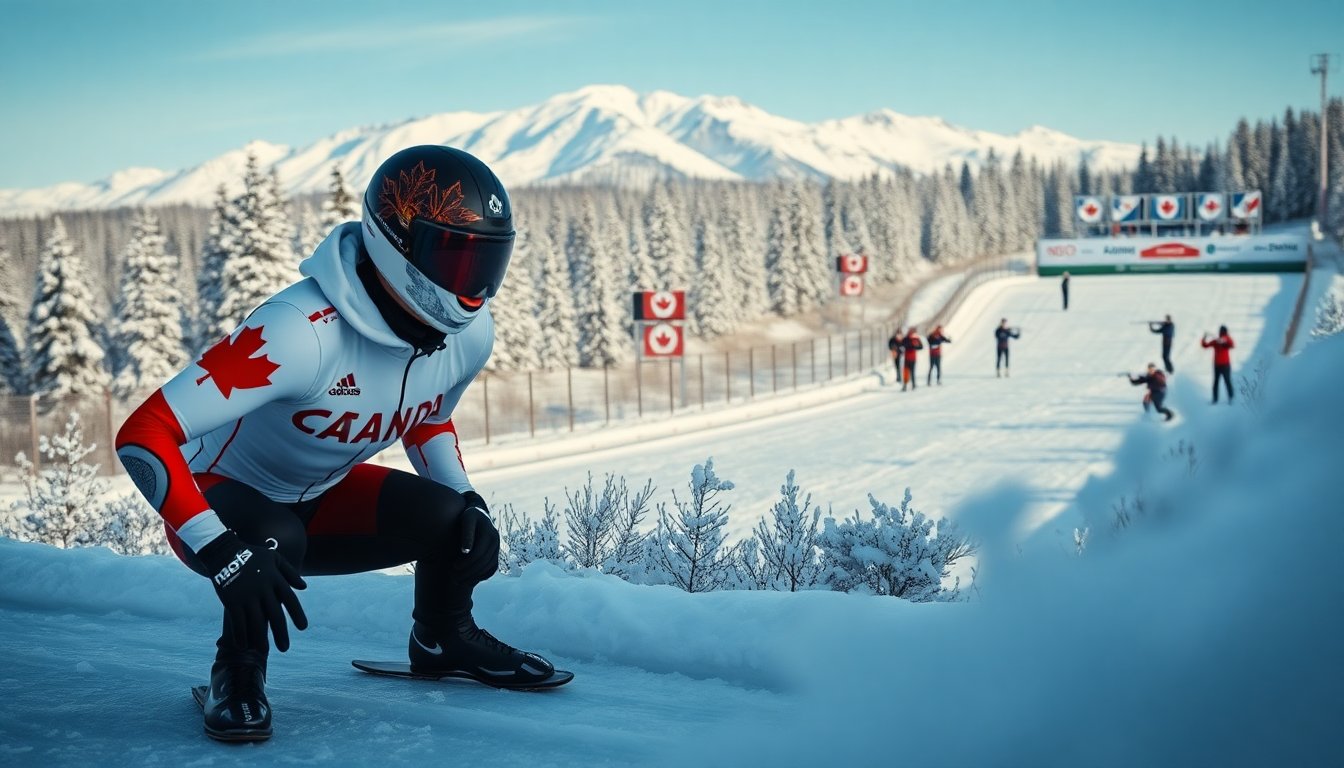
On day five of the Olympics, Canadian athletes are making significant strides, particularly in events such as luge and biathlon. Their efforts have not only showcased their skills but also underscored the competitive nature of the games.
Canadian athletes shine in luge and biathlon
Women’s doubles luge makes history
A landmark moment for women’s sports occurred with the debut of the women’s doubles luge event. Canadian athletes Beattie Podulsky and Kailey Allan are trailblazers, representing Canada in this inaugural competition. Despite the challenges of the icy course, they completed their first run in 55.735 seconds, securing a commendable tenth place.
Podulsky and Allan’s achievement transcends mere statistics; it signifies a breakthrough in Olympic history. This is the first time women have participated in the doubles category at the Olympics, a long-awaited milestone since the event’s introduction in 1964. Their journey reflects the shifting dynamics in sports, emphasizing that women can excel across all competitive domains.
Historic biathlon achievements
Another highlight for Canada emerged from the biathlon arena, where Julia Simon and Lou Jeanmonnot of France celebrated a remarkable one-two finish in the women’s 15-kilometer individual race. This achievement marked a historic occasion, as it was the first time French athletes secured both gold and silver medals in this event at the Olympics.
Canadian athlete Pascale Paradis made her Olympic debut, finishing 24th. Her participation underscores the growing talent within Canadian biathlon. As Paradis and her teammates prepare for upcoming competitions, their experiences at these games will undoubtedly contribute to their development and future success.
Emotional moments and personal stories
Family support at the forefront
Amid the competitive atmosphere, the emotional support from family and friends has been prominently featured. Canadian freeskier Maïa Schwinghammer captured public attention after finishing fifth in the women’s moguls final. Following her run, she embraced her family, illustrating the vital role of familial encouragement in high-pressure situations. Her father, Rick Schwinghammer, expressed immense pride, noting that simply participating in the Olympics is a significant achievement in itself.
This year’s games have not only highlighted athletic excellence but also the emotional narratives of the competitors. The connections formed through these experiences enrich the Olympic spirit.
Controversy and introspection
The ongoing games have also brought forth personal stories that illustrate the complexities of an athlete’s life. Norwegian biathlete Sturla Holm Laegreid faced backlash after publicly discussing his personal relationships. This emotional revelation overshadowed the accomplishments of his teammates, prompting him to reconsider the impact of sharing intimate details on a global platform. This incident highlights the pressures athletes endure both on and off the field.
Laegreid expressed regret for diverting attention from his teammates’ successes, emphasizing the importance of camaraderie within the Olympic experience. It serves as a poignant reminder that athletes are not just competitors; they are individuals navigating personal challenges amidst the thrill of competition.
What’s next for Team Canada?
On day five of the Olympics, Canadian athletes are making significant strides, particularly in events such as luge and biathlon. Their efforts have not only showcased their skills but also underscored the competitive nature of the games.0
On day five of the Olympics, Canadian athletes are making significant strides, particularly in events such as luge and biathlon. Their efforts have not only showcased their skills but also underscored the competitive nature of the games.1