
Table of Contents
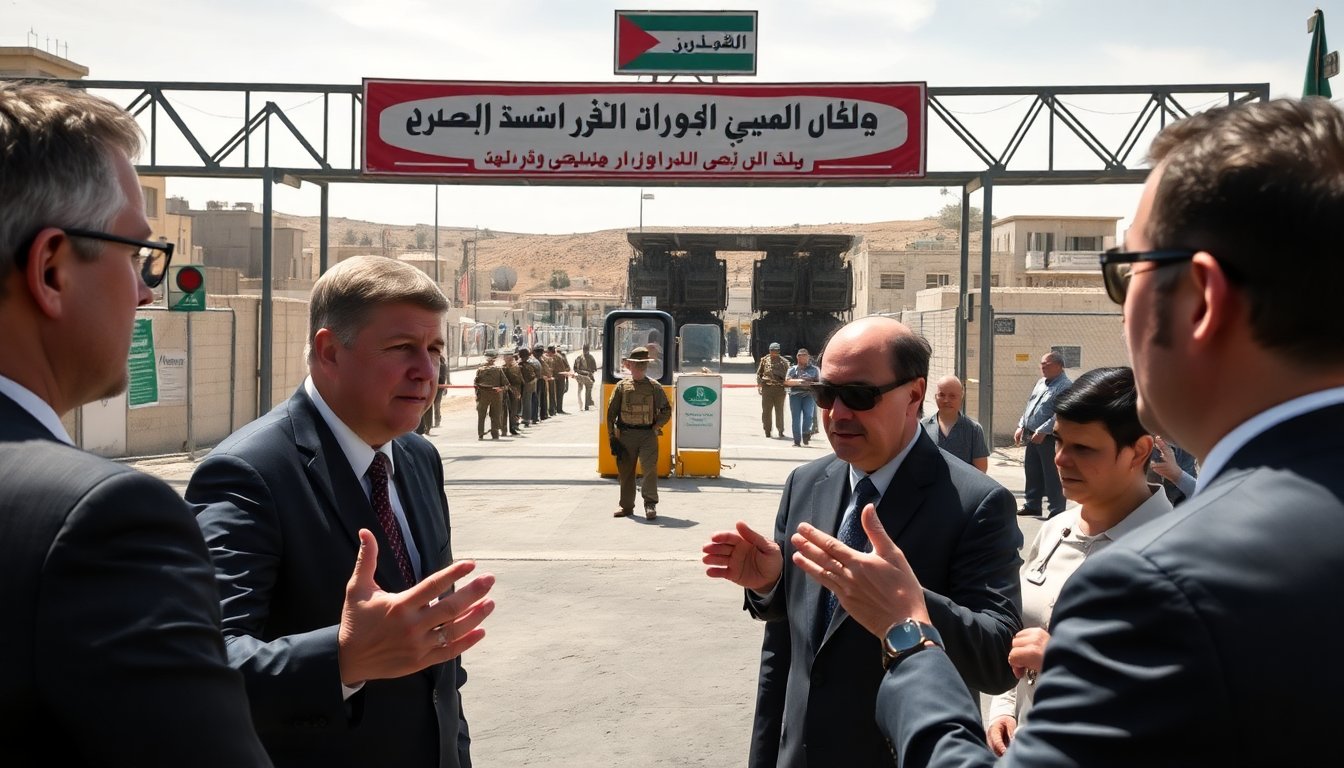
A Canadian delegation, consisting of six Members of Parliament, was recently denied entry to the occupied West Bank. This decision has raised significant questions about its impact on political dialogue and humanitarian efforts in the region. The delegation aimed to conduct fact-finding missions to gain a deeper understanding of the escalating tensions and violence on the ground.
Denied access: a lesson in diplomacy
The denial of entry based on concerns over public security and public order sparked immediate backlash. Vancouver MP Jenny Kwan, the sole NDP representative on the trip, issued a statement expressing her disappointment with the decision. She stated, “I categorically reject the assertion that elected officials and civil society organizations engaging in humanitarian and fact-finding work pose any risk to public safety, security, or public order.” Kwan highlighted that the Canadian government had informed Israel of the travel plans in advance, ensuring all necessary arrangements were in place.
Concerns over political engagement
The refusal to allow the delegation entry has raised significant concerns about the openness of dialogue between Canadian officials and their counterparts in the region. Kwan’s statement emphasized the troubling implications of such actions, noting that they obstruct elected officials from conducting essential engagements and assessments. This situation has ignited debates regarding the transparency of Israeli policies, especially in relation to access for external observers.
Violence on the ground: Canadian activists under threat
Recent events have highlighted the increasing violence faced by foreign activists in the West Bank. A Canadian woman from British Columbia reported being injured in an attack by Israeli settlers while participating in humanitarian efforts to assist local Palestinian communities. The woman, who requested anonymity for security reasons, recounted a distressing incident in which masked settlers assaulted her and fellow activists.
Escalation of settler violence
A recent attack in the early hours of the morning involved ten masked individuals breaking into a woman’s home, resulting in significant physical injuries. She reported being kicked multiple times, while another activist endured even more severe violence. This incident highlights the dangers that international volunteers encounter while providing aid in regions plagued by ongoing conflict. The surge in settler violence is concerning, with reports indicating that more than a thousand Palestinians have been killed in the West Bank amid the ongoing conflict in Gaza.
The broader implications
The implications of these events reach far beyond the immediate denial of entry. Stephen Brown, CEO of the National Council of Canadian Muslims, expressed strong disapproval regarding the rejection of the Members of Parliament. He emphasized that the Israeli government is likely to resist having observers in the West Bank, which further obscures the realities of life in the region.
Brown also highlighted that such restrictions on entry reflect a wider trend in which the Israeli government appears to prefer limited international scrutiny. This is particularly evident concerning the expansion of illegal settlements and their impact on Palestinian communities. The continued construction of new homes in these settlements, despite international condemnation, worsens the ongoing humanitarian crisis.
International reactions and future actions
The international community has expressed significant concern regarding recent developments. There is an increasing demand for greater oversight and engagement in the region, particularly as the United Nations closely monitors the situation. Policymakers and humanitarian organizations are facing considerable challenges, leading to a growing urgency for enhanced diplomatic efforts.
As circumstances evolve, dialogue and mutual understanding between nations remain essential. Recent experiences of Canadian Members of Parliament and the rising violence against activists highlight the complexities and dangers of political engagement in the region. Moving forward, it is crucial for Canadian officials and international organizations to identify effective strategies to navigate these challenges while advocating for the rights and safety of individuals in the occupied territories.