
Table of Contents
CBS News has excluded a scheduled segment from its program 60 Minutes that focused on conditions within El Salvador’s notorious prison, CECOT. This decision, made hours before the broadcast, has raised concerns about the influence of political factors on journalistic integrity.
The report was vetted by CBS’s legal and editorial teams and aimed to reveal the harsh realities faced by deported migrants, particularly Venezuelans. Allegations of torture and severe mistreatment in CECOT have drawn condemnation from various human rights organizations, making this report significant in the realm of investigative journalism.
Allegations of political motivations
In response to backlash, CBS stated that the segment required additional reporting before it could air. This justification, however, did little to quell speculation about the motivations behind the decision. Insiders, including correspondent Sharyn Alfonsi, suggested that the cancellation stemmed from political rather than editorial reasons.
Alfonsi expressed her discontent in an internal note, stating that the report had undergone extensive review and was factually accurate. She characterized the decision to withdraw it as indicative of external pressures, claiming, “It is not an editorial decision, it is a political one.”
Implications of media ownership
This controversy highlights the ownership dynamics of CBS News. Following its acquisition by Paramount Skydance, led by David Ellison, the network has faced scrutiny regarding its editorial direction. The ownership has been linked to previous legal disputes involving former President Donald Trump, complicating the situation further.
Ellison’s family has openly supported Trump and promised to reflect a diverse range of political perspectives within CBS programming. This promise has raised concerns among journalists about potential biases in news broadcasts, particularly regarding the recent report’s withdrawal.
The CECOT prison and its conditions
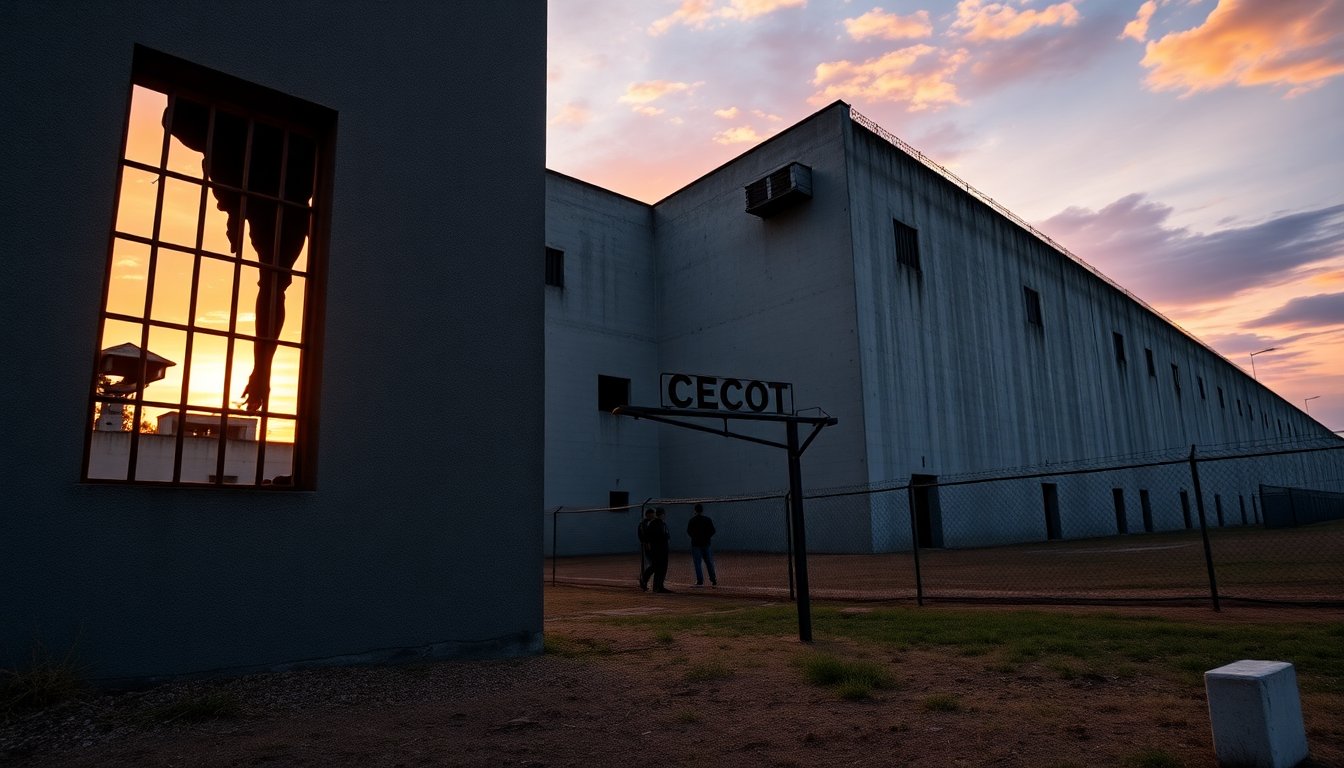
CECOT, officially designated as a mega-prison, has become a focal point for human rights advocates who highlight the inhumane treatment of detainees. Reports from released inmates detail overcrowding and violence, making the prison emblematic of the harsh realities faced by deported individuals.
The segment aimed to feature firsthand accounts from deportees, illuminating their experiences and the ongoing legal battles surrounding their treatment. By canceling the report, CBS not only stifled an important discussion but also potentially enabled a narrative that obscures the harsh realities of immigration policies.
Responses from the political sphere
The decision to cancel the segment has elicited strong reactions from political figures. Senate Minority Leader Chuck Schumer implied that the move was driven by pressure from Trump and his associates, stating, “CBS should put the full, unedited version of this story on the air ASAP.” Schumer’s comments reflect the broader implications of media decisions in an era where journalistic integrity is often challenged.
Moreover, the suggestion that the White House should be consulted prior to airing such significant material raises questions about the nature of press freedom. Alfonsi noted that if the refusal of government officials to participate becomes a valid reason for canceling a story, it effectively grants them a veto over media narratives.
Looking ahead
The report was vetted by CBS’s legal and editorial teams and aimed to reveal the harsh realities faced by deported migrants, particularly Venezuelans. Allegations of torture and severe mistreatment in CECOT have drawn condemnation from various human rights organizations, making this report significant in the realm of investigative journalism.0
The report was vetted by CBS’s legal and editorial teams and aimed to reveal the harsh realities faced by deported migrants, particularly Venezuelans. Allegations of torture and severe mistreatment in CECOT have drawn condemnation from various human rights organizations, making this report significant in the realm of investigative journalism.1