
Table of Contents
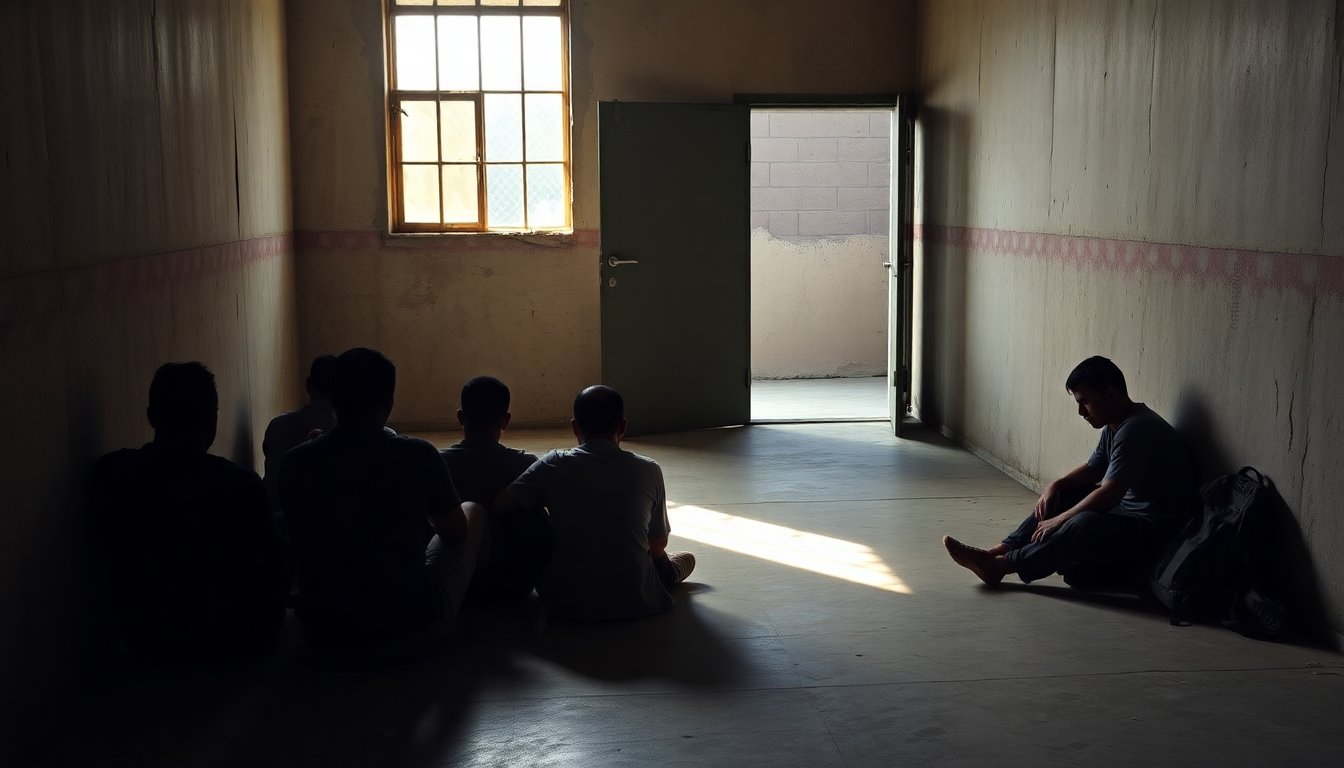
In a surprising development, CBS News has postponed a significant 60 Minutes segment that was scheduled to expose the difficult realities faced by deportees at the Centro de Confinamiento del Terrorismo (CECOT) in El Salvador. This decision, made mere hours before the broadcast, has drawn considerable scrutiny regarding the influence of new editorial leadership under Bari Weiss, who recently took over as editor-in-chief.
The report was set to include interviews conducted by correspondent Sharyn Alfonsi with individuals deported by the Trump administration to this infamous prison, where allegations of abusive treatment and torture have emerged. The abrupt cancellation of the segment has raised questions about the motivations behind this last-minute decision.
Background on the CECOT prison segment
Reports suggest that the postponement occurred after Weiss requested significant changes, including the inclusion of perspectives from high-ranking officials in the Trump administration, such as Deputy Chief of Staff Stephen Miller. The New York Times disclosed that Weiss even provided Miller’s contact information to the production team. Alfonsi, expressing her frustration, pointed out that the story had undergone extensive internal reviews, passing legal checks and receiving clearance from CBS’s Standards and Practices.
Editorial integrity versus political influence
In an email to her colleagues, Alfonsi conveyed her concerns, stating, “Pulling it now, after every rigorous internal check has been met, is not an editorial decision; it is a political one.” This sentiment reflects growing unease among staff at 60 Minutes, with some reportedly considering resignation over the incident. The sudden cancellation has been perceived as an instance of corporate censorship, marking a departure from the program’s long-standing reputation for editorial independence.
The timing of the cancellation has raised additional questions, particularly after President Trump recently criticized the program, claiming it had become more hostile under the ownership of the Ellison family, who acquired CBS’s parent company, Paramount. Trump’s comments came shortly before the scheduled airing, further intertwining the incident with ongoing political narratives.
The implications of political pressures
In March and April, the U.S. government deported over 280 young men to CECOT, a facility infamous for its severe treatment of inmates. According to the National Immigration Law Center, these deportees were sent without notice to their families or legal representatives, leaving them vulnerable to a system known for its brutality. After months of confinement, many were returned to their home countries, often to places they had fled due to violence and persecution.
Responses from the media and public
Following the cancellation of the segment, media analysts and public figures expressed their concerns. CNN’s chief media analyst, Brian Stelter, highlighted the discontent among the 60 Minutes team, emphasizing the potential fallout from this decision. When approached for comments regarding the postponement, CBS News stated that the segment required “additional reporting,” a claim that insiders disputed given the extensive vetting it had already undergone.
As the debate continues, the ramifications of this decision extend beyond journalism. The incident highlights the precarious balance between maintaining journalistic integrity and accommodating political interests. With Weiss’s recent appointment attracting scrutiny, many are questioning how her leadership will influence the future of CBS News and its commitment to delivering hard-hitting, factual reporting.
In the aftermath of the cancellation, the scheduled episode of 60 Minutes aired a different segment, focusing on the Kanneh-Mason family, a group of talented classical musicians from Nottingham. This shift in content underscores the stark contrast between the intended investigative report and the lighter fare that ultimately took its place.
The events surrounding the CECOT segment raise critical questions about the future of investigative journalism at CBS News. As the media landscape evolves, the tension between editorial independence and external pressures remains a pivotal issue that will likely continue to shape reporting standards and public trust.