
Table of Contents
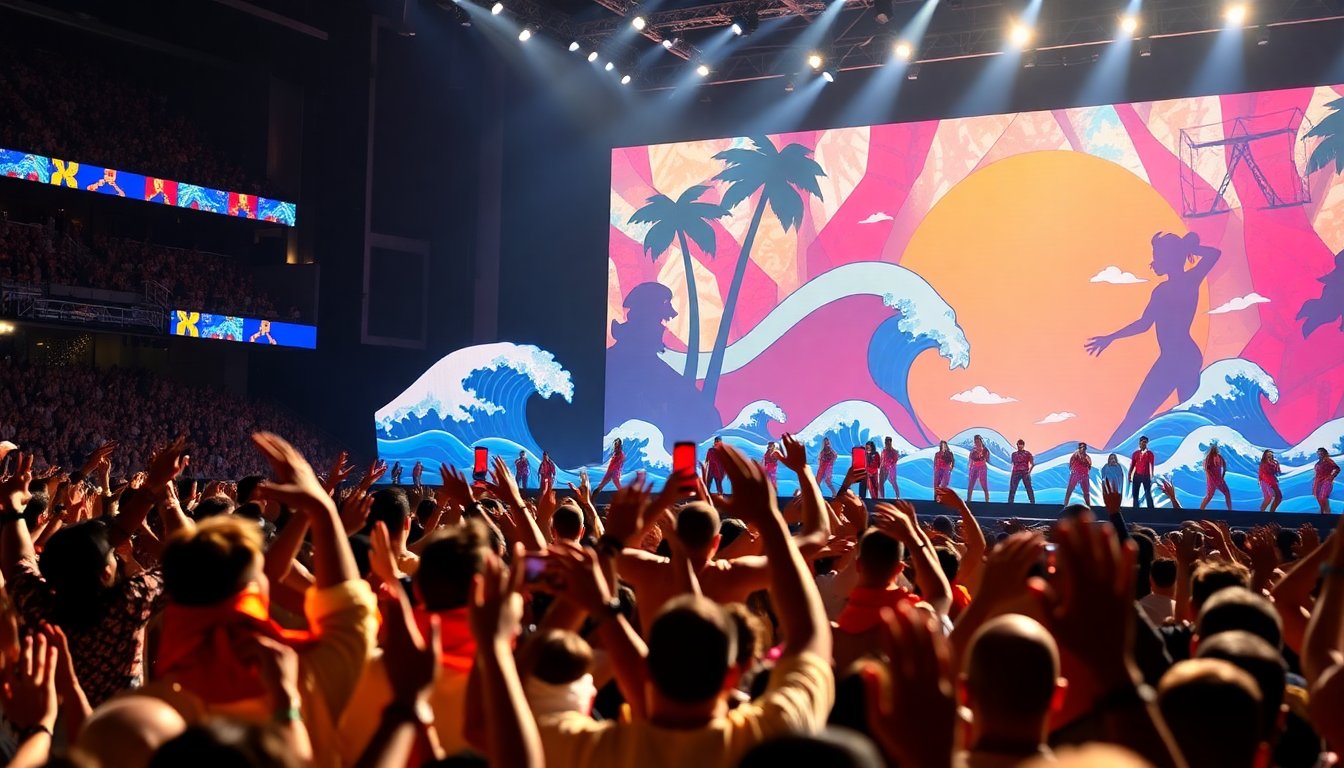
The super bowl halftime show has become a significant cultural event, with this year’s performance by Bad Bunny standing out. Celebrating his Puerto Rican heritage, Bad Bunny’s show was not just entertainment; it also carried a strong social message. His backdrop reflected the struggles and triumphs of Puerto Rico, engaging audiences worldwide with the depth of his music and message.
As the first Hispanic artist to headline a Super Bowl halftime show, Bad Bunny’s performance was highly anticipated. His recent Grammy win for the album “Debí Tirar Más Fotos” heightened expectations, setting the stage for a celebration of Latino culture and identity.
Capturing Puerto Rico’s essence
Bad Bunny’s halftime show was an immersive experience that showcased various aspects of Puerto Rican culture. His entrance from a replica of a casita symbolized the warmth of communal gatherings common in Puerto Rico. Accompanied by traditional dancers and musicians, he created a festive atmosphere that resonated with the audience.
Musical fusion and cultural symbols
During the 13-minute performance, Bad Bunny seamlessly blended traditional and contemporary Puerto Rican music genres, including bomba, plena, and salsa. His opening song, “Tití Me Preguntó”, transitioned smoothly into “Yo Perreo Sola”, engaging the audience in a rhythm-filled celebration. Each song highlighted Puerto Rico’s rich musical heritage and its evolution over time.
Significant symbols adorned the stage, including Puerto Rican flags and various cultural artifacts. Bad Bunny’s inclusion of flags in different colors—red, white, and blue, as well as variations related to the independence movement—underscored his commitment to promoting Puerto Rican identity and resilience.
Social and political undertones
Beyond cultural celebration, Bad Bunny’s performance carried political significance. His song “El Apagón”, which addresses Puerto Rico’s ongoing energy crisis, served as a poignant reminder of the island’s challenges. The visuals during this performance, depicting struggles against power outages, resonated strongly with the audience, emphasizing the need for change.
Embracing diversity and unity
Throughout his performance, Bad Bunny highlighted the importance of unity and pride in one’s heritage. His opening words, delivered in both Spanish and English, encouraged listeners to believe in themselves and appreciate their roots. This bilingual approach bridged cultural gaps and emphasized inclusivity in celebrating Latino identity.
Unexpected guest appearances further enhanced the excitement. Collaborators like Ricky Martin joined him, reinforcing the collaborative spirit that characterizes much of Latin music today. Their shared performances celebrated the interconnectedness of artists across generations, honoring the legacy of Puerto Rican music.
A landmark moment for Latin music
Bad Bunny’s performance underscored the growing influence of Latin music on global platforms. His unique style has paved the way for future generations of artists, demonstrating that cultural heritage can shine on the world stage. The Super Bowl halftime show was not only a celebration of Bad Bunny’s achievements but also positioned him as a voice for Puerto Rico, echoing the sentiments of many through his art.
Bad Bunny’s halftime show at the Super Bowl was more than a musical performance; it was a vibrant celebration of Puerto Rican culture and identity. Through his music and visuals, he communicated the struggles and joys of his homeland, leaving a lasting impact on audiences worldwide. As the world tunes in, Bad Bunny reminds us that music transcends borders, uniting us in a shared appreciation for culture and community.