
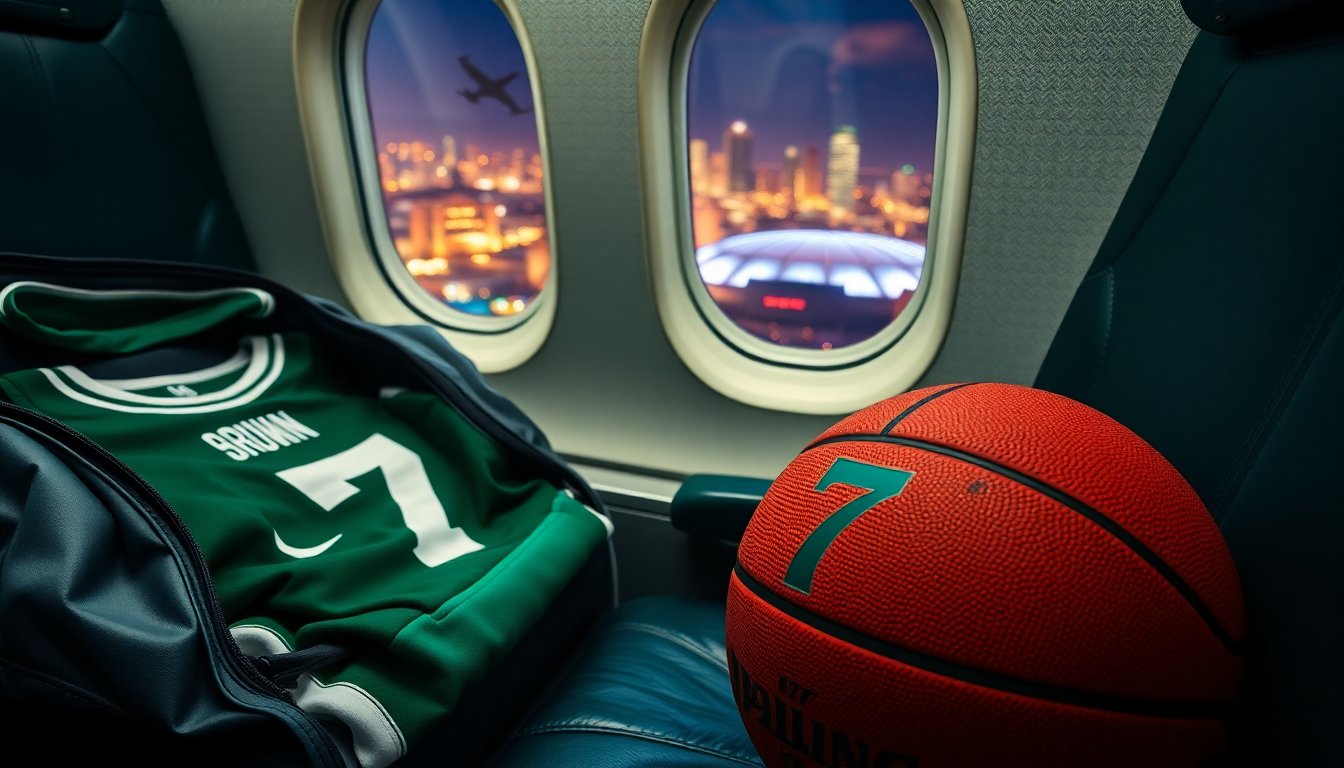
The Celtics head west to Los Angeles looking to keep their hot stretch alive before a marquee night at Crypto.com Arena. Boston (36-19) has won eight of its last 10, adjusting smoothly after losing Jayson Tatum to a torn Achilles. With no timetable for his return, the offense has shifted toward Jaylen Brown and Derrick White, who are carrying bigger scoring and playmaking loads.
This is the teams’ second meeting; the Celtics dominated the first on Dec. 6, draining a season‑high 24 threes in a 126-105 victory. Tuesday’s game will be a measuring stick: can Boston’s deeper rotation and disciplined defense withstand a healthy Lakers group led by LeBron James and Anthony Davis? Coaches on both benches are likely to tinker with matchups and minute patterns all night.
Team status and injuries
– Boston: Tatum remains sidelined as he progresses through a cautious rehab plan that includes travel and limited on-court participation but no set return date. The club is prioritizing functional milestones—range of motion, strength symmetry and sport‑specific tolerance—over arbitrary timelines. In the meantime, the staff has redistributed responsibilities. Role players are getting more minutes and touches, ball movement is emphasized, and switching-defense principles are leaned on to offset the drop in isolation scoring.
– Los Angeles: The Lakers arrive largely intact after minor, short-term issues—hamstring, sciatica and calf soreness among those monitored—leave the core available. With their main pieces ready, their pick‑and‑roll continuity and multiple playmakers create tricky defensive puzzles for Boston.
Expectations around minutes and load management will shape early rotations. Both teams have signaled they’ll stagger substitutions to protect veteran legs, limit fatigue and reduce injury risk over the long haul.
Who’s stepped up for Boston
Derrick White has slid into primary playmaker duties, posting career-best efficiency while maintaining a strong assist-to-turnover ratio. He’s become the team’s stabilizer—initiating offense, protecting the ball and finding cutters. Jaylen Brown has absorbed a heavier two-way burden, delivering scoring, rebounding and playmaking; his recent triple-double and the 30-point, eight-rebound, eight-assist line from the December meeting show how reliably he’s filled the void.
Bench and depth
Boston’s reserves will be critical. The second unit must provide perimeter shooting, timely buckets and trustworthy wing defense to sustain pressure when starters rest. Payton Pritchard and other reserves have supplied efficient scoring and helped preserve spacing on the road (Boston is 18-10 away). If the Lakers go small to create mismatches on the glass or in transition, the Celtics’ depth will be tested like never before.
Matchup dynamics
The Lakers bring heavy offensive firepower, averaging roughly 116 points per game and ranking near the top in assists and shooting efficiency. Their defense can be susceptible at times—particularly around the paint and on catch‑and‑shoot contests—openings the Celtics will try to exploit with interior passing and kick-outs. Conversely, Boston boasts one of the league’s stingier defenses, keeping opponents under about 109 points per night and pairing that toughness with high-volume three-point shooting.
Key individual battles
– Jaylen Brown vs. LeBron James/primary ball handlers: Brown’s physical drives and improved facilitation will be crucial when containing LeBron and deterring easy kick-outs.
– Containing pick-and-roll creators and limiting second-chance opportunities: How Boston chooses to defend the roll—drop coverage, hard hedges or aggressive on-ball pressure—will influence how often the Lakers find clean looks. Defensive stops that turn into transition threes have been a hallmark of Boston’s success; expect both coaches to scheme around those moments.
What to watch
– Perimeter scoring and bench production: Can Boston’s second unit deliver efficient looks and keep the offense humming when starters rest?
– Turnover rate and free‑throw attempts: Small margins here often decide tight games.
– Rotation adjustments after the first quarter: Coaches will tinker to gain matchup edges heading into the second half.
The game should feel like a chess match—plenty of playmaking, quick tactical changes and high‑leverage possessions where a single stop or offensive burst swings momentum. If Boston’s defensive cohesion holds without Tatum and their bench answers, they’ll make this a very difficult night for the Lakers. If Los Angeles can exploit matchup mismatches and force turnovers, the home crowd could push the contest out of reach.
This is the teams’ second meeting; the Celtics dominated the first on Dec. 6, draining a season‑high 24 threes in a 126-105 victory. Tuesday’s game will be a measuring stick: can Boston’s deeper rotation and disciplined defense withstand a healthy Lakers group led by LeBron James and Anthony Davis? Coaches on both benches are likely to tinker with matchups and minute patterns all night.0