
Table of Contents
Let’s tell the truth: the prevailing narrative surrounding climate change and economic growth is not just simplistic; it is fundamentally misleading. Many argue that to combat climate change, we must accept slower economic growth or even recession. However, this black-and-white thinking is not only incorrect but also detrimental to effective policymaking. The reality is less politically correct: economic growth and environmental sustainability can coexist. It is crucial that we explore how these two objectives can align.
Debunking the myth: growth equals environmental harm
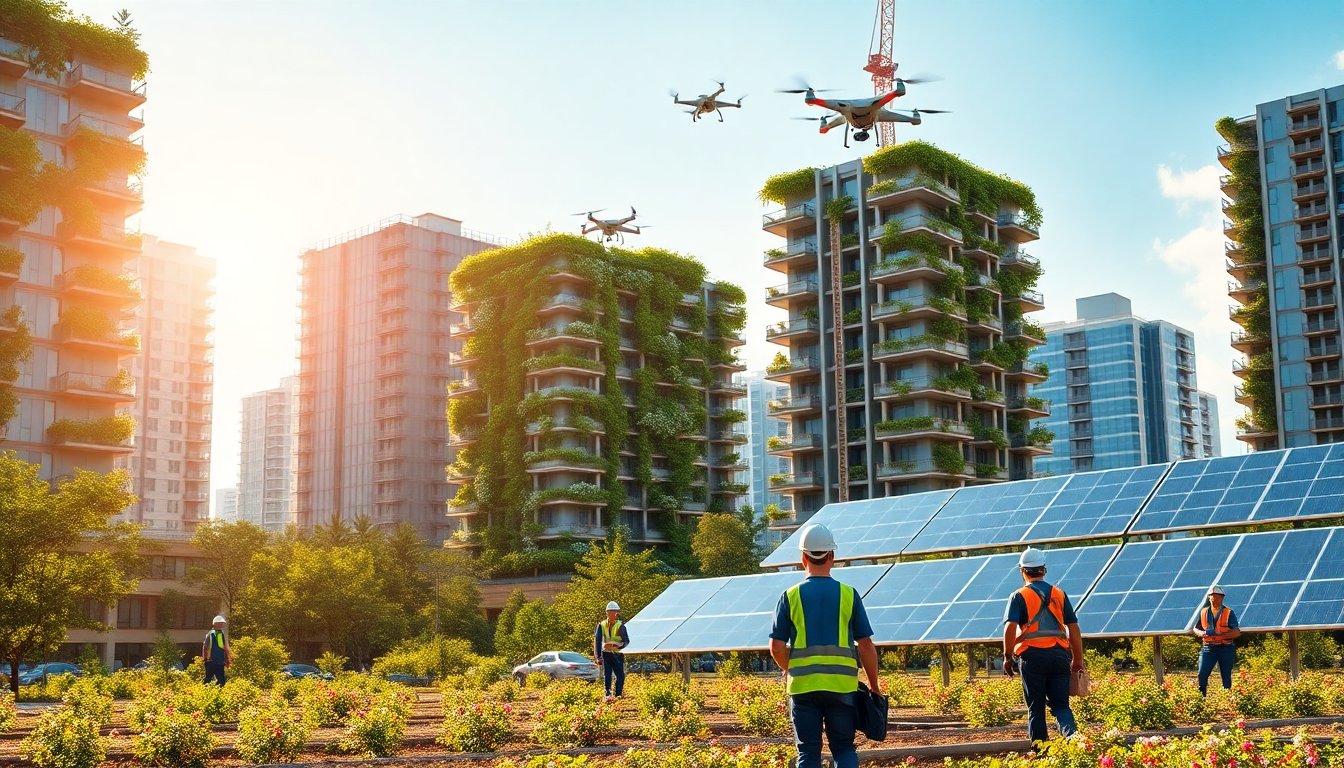
The narrative that economic growth necessarily leads to environmental degradation is misleading. This perspective often overlooks the complexities of modern economies and the technological advancements available. A report from the World Bank highlights that countries investing in clean technology and sustainable practices can achieve economic growth while maintaining environmental integrity. In fact, shifting toward a green economy not only preserves the environment but also creates jobs, fosters innovation, and propels growth.
Take, for instance, the renewable energy sector, which is expected to employ millions worldwide within the next decade. This projection is not merely optimistic; it is supported by concrete data. A study from the International Renewable Energy Agency indicated that transitioning to renewable energy could generate 24 million jobs by 2030. The notion that we must choose between economic growth and environmental sustainability is not only outdated but fundamentally flawed.
Statistics that challenge the status quo
Let’s discuss some important numbers. The Global Footprint Network warns that if current consumption patterns continue, we will require the resources of three Earths by 2050. Yet, this statistic is frequently misinterpreted. The organization also emphasizes that by adopting sustainable practices, we can significantly lower our ecological footprint while still fostering economic development.
Additionally, a report from the United Nations Development Programme reveals that investments in sustainable infrastructure could generate economic returns of up to $3 for every $1 spent. These figures contradict the prevalent belief that sustainability imposes an economic burden. Instead, they indicate that sustainability can serve as a catalyst for growth.
Rethinking policies for a sustainable future
Let’s tell the truth: outdated policies and entrenched interests are hindering our progress. Many governments continue to rely on fossil fuels, not because they are the best choice for economic growth, but due to their familiarity. This resistance to change is not only delaying progress but is also detrimental to our economy over time.
The emperor has no clothes, and I’m telling you: as we encounter extreme weather events intensified by climate change, the cost of inaction becomes glaringly obvious. According to the National Oceanic and Atmospheric Administration, the United States alone faced over $95 billion in climate-related disasters within a single year. This issue transcends environmental concerns; it directly impacts our economy. The longer we postpone significant action, the greater the toll we all face, both in lives lost and economic burdens.
Let’s tell the truth: the relationship between climate change and economic growth is far from straightforward. However, it is evident that sustainability and growth are not mutually exclusive. It is essential to challenge the prevailing narratives that restrict our potential and envision a future where economic prosperity aligns with environmental stewardship. A critical examination of these issues can lead us to innovative solutions that benefit both the economy and the planet.