
Table of Contents
The conflict between Ukraine and Russia has heightened concerns about the safety of nuclear facilities, especially the Chornobyl nuclear power plant. The International Atomic Energy Agency (IAEA) has reported significant damage to the protective shield designed to contain radioactive materials following the catastrophic explosion in 1986. This damage raises alarms about the plant’s ongoing ability to effectively manage radioactive containment.
According to the IAEA, an inspection confirmed that the protective structure had lost its essential safety functions. This revelation is particularly alarming given the historical context of the Chornobyl disaster, which released large amounts of radiation across Europe and required extensive cleanup efforts by Soviet authorities.
Details of the drone strike and its implications
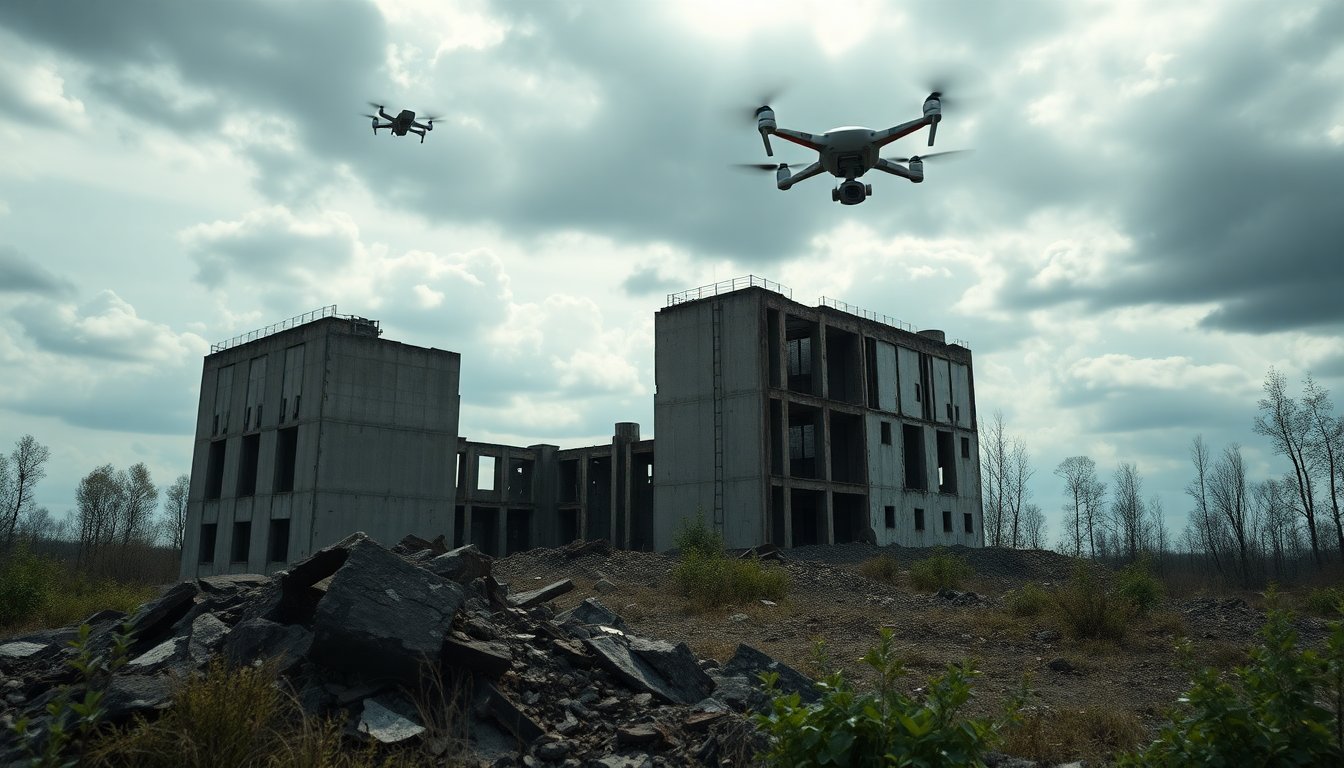
In February, a drone strike attributed to Russian forces reportedly struck the Chornobyl site, causing significant damage to the protective cladding surrounding reactor number four, which was destroyed in the 1986 disaster. IAEA Director General Rafael Grossi emphasized the seriousness of this situation, stating that while there was no permanent damage to load-bearing structures, the primary safety functions of the shield had been compromised. This situation poses a potential risk of radioactive material release if not addressed promptly.
Urgent need for repairs and restoration
Following the drone impact, the IAEA reported that limited temporary repairs have been executed, but comprehensive restoration of the protective shield is essential to prevent further deterioration. Grossi highlighted the need for ongoing maintenance and upgrades, particularly focusing on humidity control and the corrosion-monitoring program to ensure long-term safety at the site. The report noted that radiation levels remained stable and within normal ranges, alleviating immediate fears of a radiation leak.
Ongoing conflict and its impact on nuclear safety
The ongoing conflict between Ukraine and Russia has created a precarious environment for nuclear safety in the region. Both nations have accused each other of obstructing the IAEA’s efforts to rotate staff at nuclear facilities, including the Zaporizhzhia nuclear power plant, which has faced similar threats. The potential for a catastrophic nuclear event looms large as fighting continues, with both sides launching drone and missile strikes that jeopardize the integrity of these critical infrastructures.
Recent reports indicate that Russian forces have occupied the Zaporizhzhia plant, leading to warnings from the IAEA regarding the risks associated with a lack of external power required for cooling operations. Without proper cooling, there is a heightened risk of a nuclear meltdown, underscoring the urgent need for a ceasefire to protect these vulnerable sites.
International response and diplomatic efforts
In light of these developments, international diplomatic efforts have intensified, with the United States attempting to mediate a ceasefire between the conflicting nations. Recent discussions between U.S. officials and Ukrainian negotiators have focused on finding a resolution that respects Ukraine’s territorial integrity while addressing security concerns. However, the proposed terms have met resistance from Ukraine, as ceding territory remains a constitutional red line.
The situation at Chornobyl serves as a stark reminder of the potential ramifications of the ongoing conflict. As the world watches closely, the need for urgent action to restore safety protocols and ensure the stability of nuclear facilities has never been more pressing.