
Table of Contents
Activists call for action on abandoned homeless camp in Chilliwack
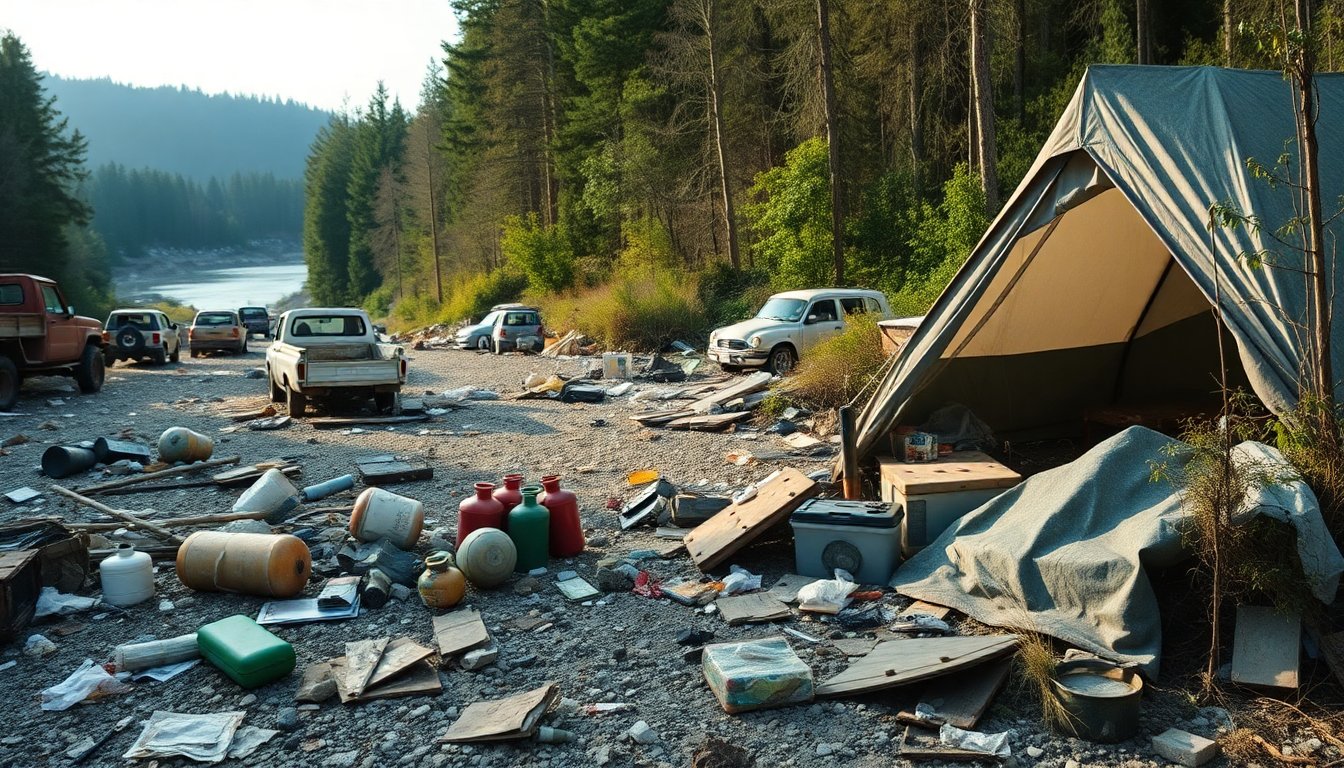
Chilliwack, British Columbia, is witnessing mounting concern from local activists regarding an abandoned homeless camp in the Chilliwack River Valley. This site has attracted attention due to the significant buildup of debris, hazardous materials, and derelict vehicles. Residents, advocating for both environmental protection and community health, are urging the provincial government to intervene promptly and address the situation before it deteriorates further.
Environmental hazards in the Chilliwack River Valley
Residents, including Derrick Kramer and Ross Aikenhead, report that a campsite has remained unattended for almost a year. Once a temporary refuge for individuals experiencing homelessness, the area is now cluttered with hazardous items that threaten the local ecosystem. The camp’s location near the Chilliwack River Fish Hatchery and adjacent fish-bearing creeks heightens the urgency for intervention, as pollutants could severely impact these vital waterways.
Community voices and frustrations
Kramer expressed disappointment over the lack of urgency from local authorities. “This situation should not have been allowed to deteriorate to this extent,” he stated, gesturing toward the chaos around the camp. He pointed out that the site is contaminated with various chemicals, including paint cans, aerosol containers, and other hazardous materials that have leached into the creek. This contamination not only endangers local wildlife but also poses a broader risk to community health.
While acknowledging the challenges faced by those without permanent housing, Kramer stressed the importance of maintaining a clean environment. “Camping in the bush is one thing, but leaving behind a mess like this is unacceptable,” he remarked. Community members’ growing frustration stems from the constant need for volunteer efforts to clean up similar sites as they work tirelessly to restore the natural beauty of their surroundings.
Calls for governmental intervention
Activists are urging the British Columbia Ministry of Housing to act swiftly regarding the situation at the abandoned camp. In a recent statement, the ministry acknowledged the ongoing challenges and indicated that they are considering solutions to assist individuals in transitioning to stable housing. However, many residents fear that without prompt action, the environmental damage will continue to escalate.
The need for sustainable solutions
The community is increasingly concerned about the environmental impact of neglected sites. Kramer noted that approximately 15 different camps exist in the area, each demanding continuous cleanup and maintenance. This cycle of neglect poses risks not only to local wildlife but also to the community’s health and safety.
Kramer emphasized, “Whether you’re facing difficulties or enjoying a comfortable life, the state of the environment affects us all.” He highlighted the collective responsibility to safeguard the natural resources that support the community.
Collaboration for a sustainable future
The situation in Chilliwack highlights the urgent need for cooperation among local governments, community members, and environmental organizations. Collaborative efforts can lead to solutions that address the immediate issues posed by the abandoned camp while fostering sustainable practices that benefit the entire community.
As discussions about the future of the site progress, residents express hope for a resolution that prioritizes the well-being of both the environment and those affected by homelessness. The call to action is evident: the government must take decisive steps to rectify this situation and create a healthier, cleaner future for all.