
Table of Contents
“`html
The conflict in Ukraine has entered a critical phase, now approaching its fourth year. As hostilities persist, European Union officials are increasingly concerned about China’s strengthening ties with Russia. This development raises significant alarms within the EU regarding international security implications.
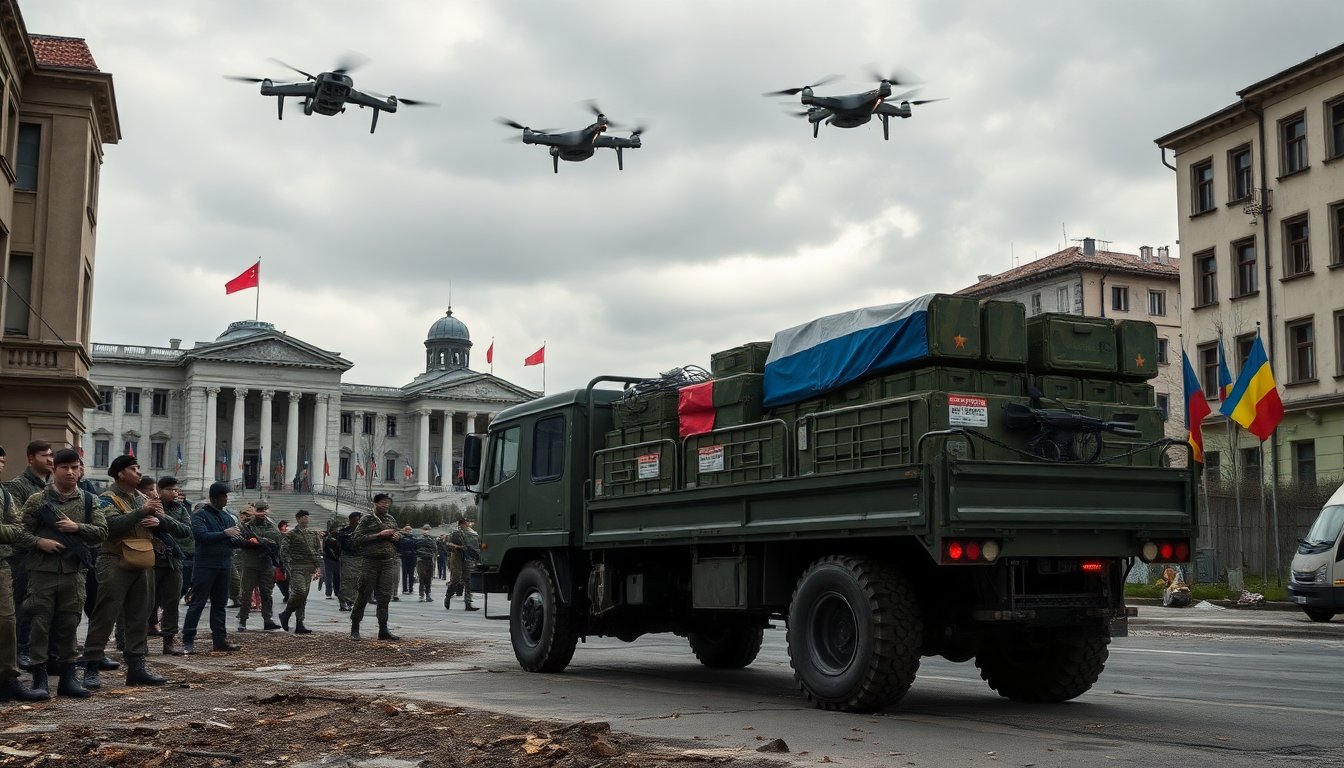
Recent reports indicate a noticeable increase in military support from China to Russia. This support extends beyond conventional weapons to a broad array of goods serving both civilian and military purposes. The EU’s intensified scrutiny has revealed that approximately 80% of essential dual-use items reaching Russia originate from or pass through China.
EU’s response to China’s actions
In response to these alarming findings, EU member states are discussing a coordinated approach. The potential for China to supply Russia with more sophisticated weaponry could alter the power dynamics in the conflict, posing a direct threat to Ukraine and potentially impacting European security.
Intelligence assessments and military implications
Intelligence sources within the EU are analyzing various data points to assess the extent of China’s involvement. The concern encompasses not only the volume of military hardware being shipped but also the possibility of advanced technologies that could enhance Russia’s operational capabilities on the battlefield.
China’s increasing support for Russia may embolden Moscow to maintain its aggressive posture, compelling the EU to reassess its strategy toward both nations. This ongoing situation underscores the complexities of international relations and the necessity for vigilance in monitoring such alliances.
Potential pathways for peace
While the EU contemplates the ramifications of China’s support for Russia, discussions regarding a potential peace plan for Ukraine have surfaced. Reports from credible sources suggest that a comprehensive package aimed at resolving the conflict is under negotiation. This package includes vital components such as security guarantees, economic recovery plans, and the possibility of Ukraine joining the EU.
Future of Ukraine within the EU
A key proposal under consideration is the potential for Ukraine to join the European Union. While this prospect excites many, concerns have emerged among certain EU member states about rapid expansion. EU membership could enhance economic partnerships and investment, but it also requires significant reforms to address corruption within Ukraine’s government.
The United States has shown interest in offering security guarantees similar to NATO’s Article 5, which could deter further Russian aggression. However, this proposal necessitates careful negotiation to ensure Ukraine’s sovereignty remains intact against any unilateral Russian veto.
Roadblocks and challenges ahead
Negotiations surrounding the peace plan face numerous challenges, particularly concerning territorial concessions. Russia’s claims to substantial portions of Ukrainian territory complicate discussions about potential land swaps, set against the historical context of these regions.
Despite pressure to concede territory, Ukrainian President Volodymyr Zelensky has stressed the importance of maintaining Ukraine’s territorial integrity. The negotiations reflect a delicate balance of power, with Zelensky striving to secure robust security guarantees in exchange for any territorial compromises.
Recent reports indicate a noticeable increase in military support from China to Russia. This support extends beyond conventional weapons to a broad array of goods serving both civilian and military purposes. The EU’s intensified scrutiny has revealed that approximately 80% of essential dual-use items reaching Russia originate from or pass through China.0
Recent reports indicate a noticeable increase in military support from China to Russia. This support extends beyond conventional weapons to a broad array of goods serving both civilian and military purposes. The EU’s intensified scrutiny has revealed that approximately 80% of essential dual-use items reaching Russia originate from or pass through China.1
“`